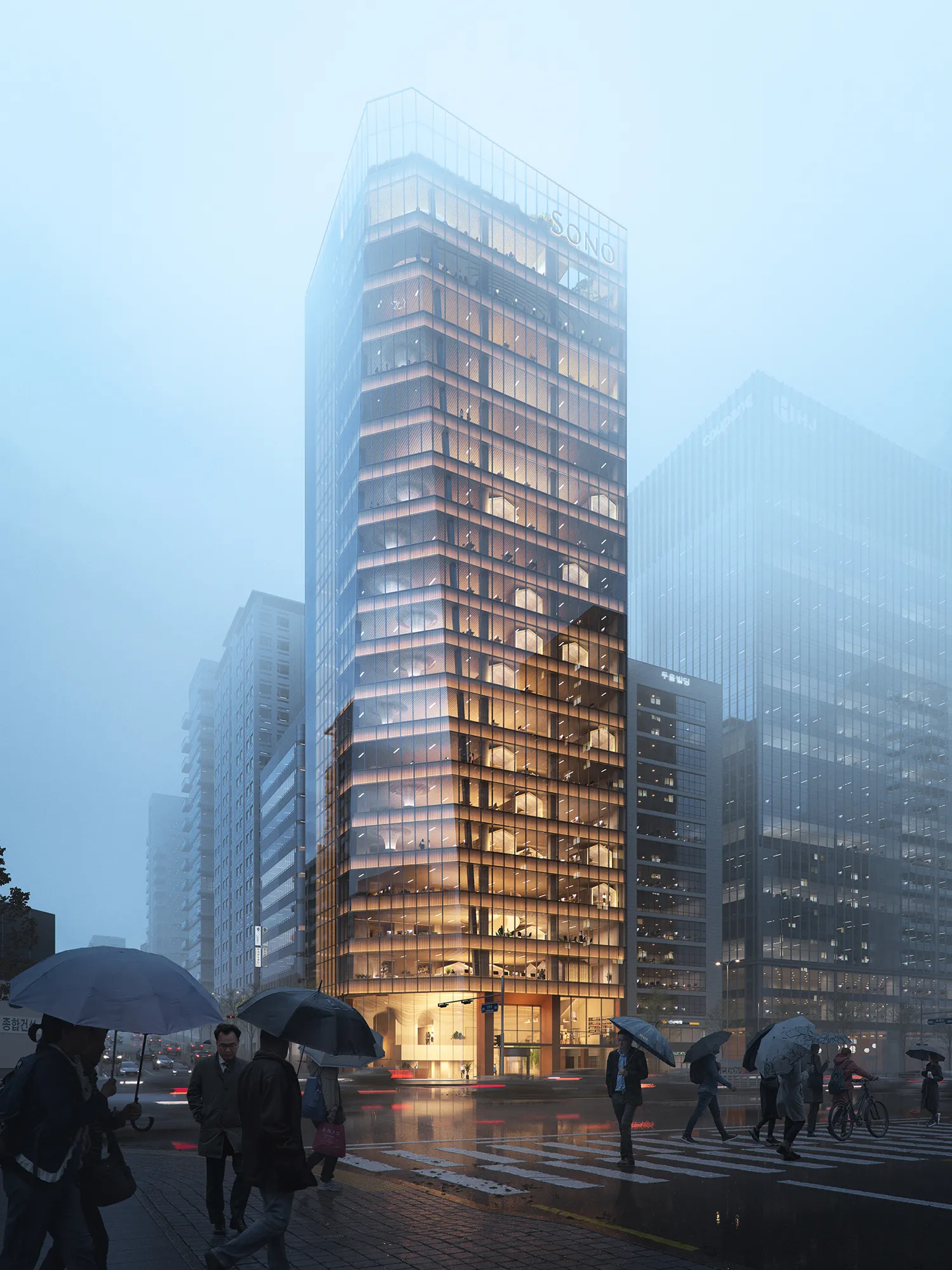
Architectural projects in Vancouver often involve several decision-makers, limited approval timelines, and high expectations from all sides. In this setting, even well-developed architectural concepts can lose clarity when design intent is not communicated clearly enough. Drawings and technical documentation may be precise, but they are not always easy for non-technical stakeholders to interpret. Because of this, teams increasingly look for clearer and more practical ways to present architectural ideas.
In the sections below, we take a closer look at how 3D architectural visualization helps Vancouver architects, developers, and investors align faster, reduce unnecessary revisions, and move projects forward with more confidence and less friction.
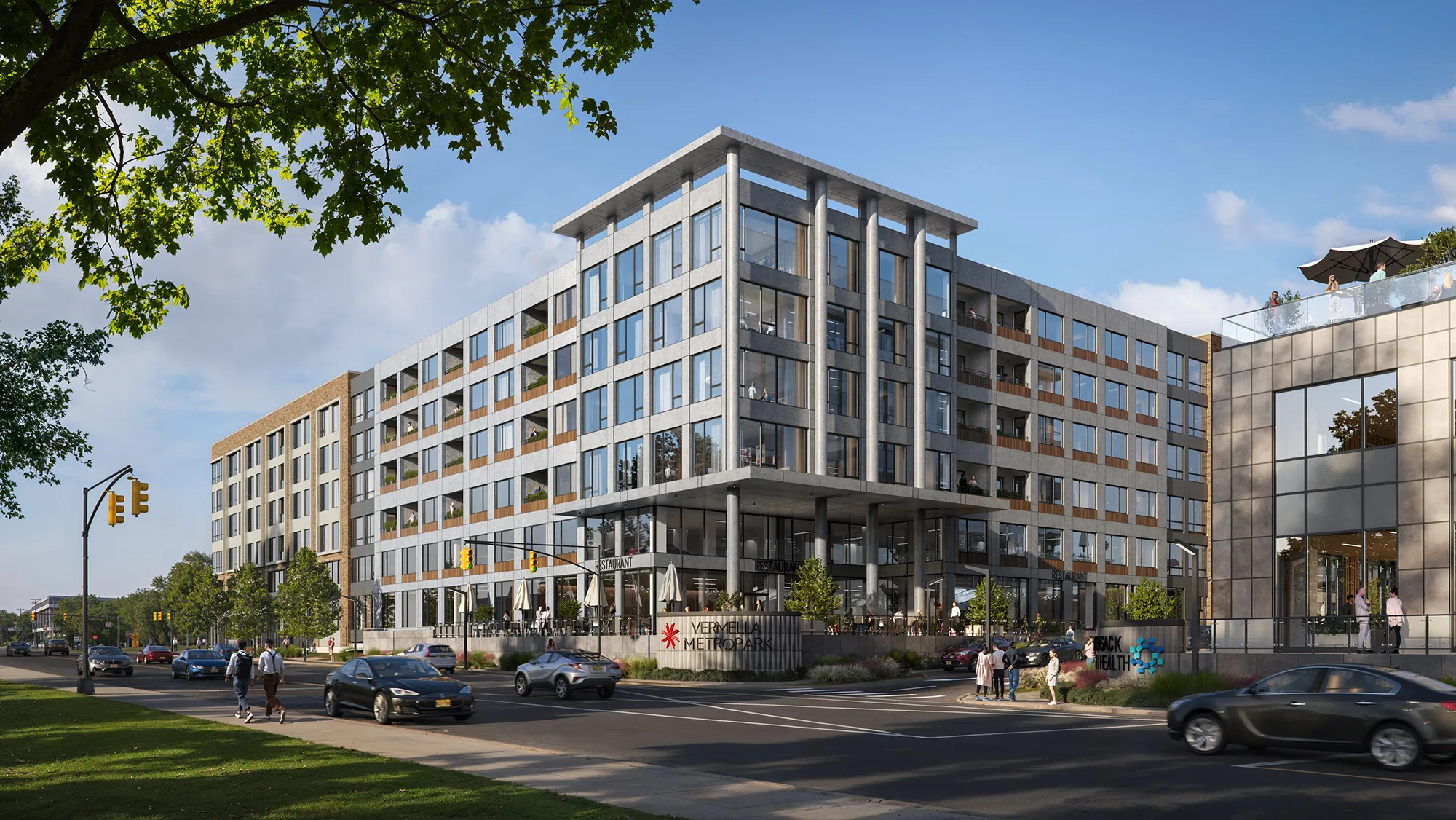
Why Vancouver Projects Need Clearer 3D Architectural Visualization
Consider a multi-tower development in Vancouver where architectural plans leave questions about how façades will sit in the city streetscape or how interior spaces will feel once furnished. Real estate developers, architects, and interior designers often find that traditional drawings and site plans don’t fully convey these realities, making it harder for clients and potential buyers to trust the design.
When Drawings and BIM Views Stop Communicating Design Intent
On more complex projects, BIM views and flat architectural plans capture essential technical data but often fall short in conveying how interior spaces feel, how materials interact, or how architectural designs relate to the surrounding landscape. Static site plans and drawings leave potential buyers, investors, and clients relying on interpretation, which can slow approvals and create uncertainty.
How Context and Scale Affect Design Decisions
Vancouver’s urban landscape is full of character, with its mix of dense streets, varied building heights, and natural features like waterfronts and hills. For architects, developers, and clients, it can be tricky to imagine how a new project will truly sit within this complex environment. Engaging a team experienced in 3D architectural visualization in Vancouver helps in creating detailed representations, so stakeholders can better understand scale, proportion, and materials. High-quality Vancouver 3D rendering makes it easier to plan the next project and visualize how it will feel in life, allowing designers and clients to make confident decisions before construction begins.
Reducing Rework with Precise Visuals
Teams often face repeated delays and costly revisions because design intent isn’t fully clear to all stakeholders. Misunderstandings about interior spaces, façade materials, or how a building sits within the surrounding landscape can stall project presentations and slow approvals. For architects, real estate developers, and interior designers, this means extra time spent explaining decisions instead of focusing on design quality.
Fortunately, architectural visualization offers a range of tools to address these challenges, ensuring that such confusion and inefficiency are minimized.
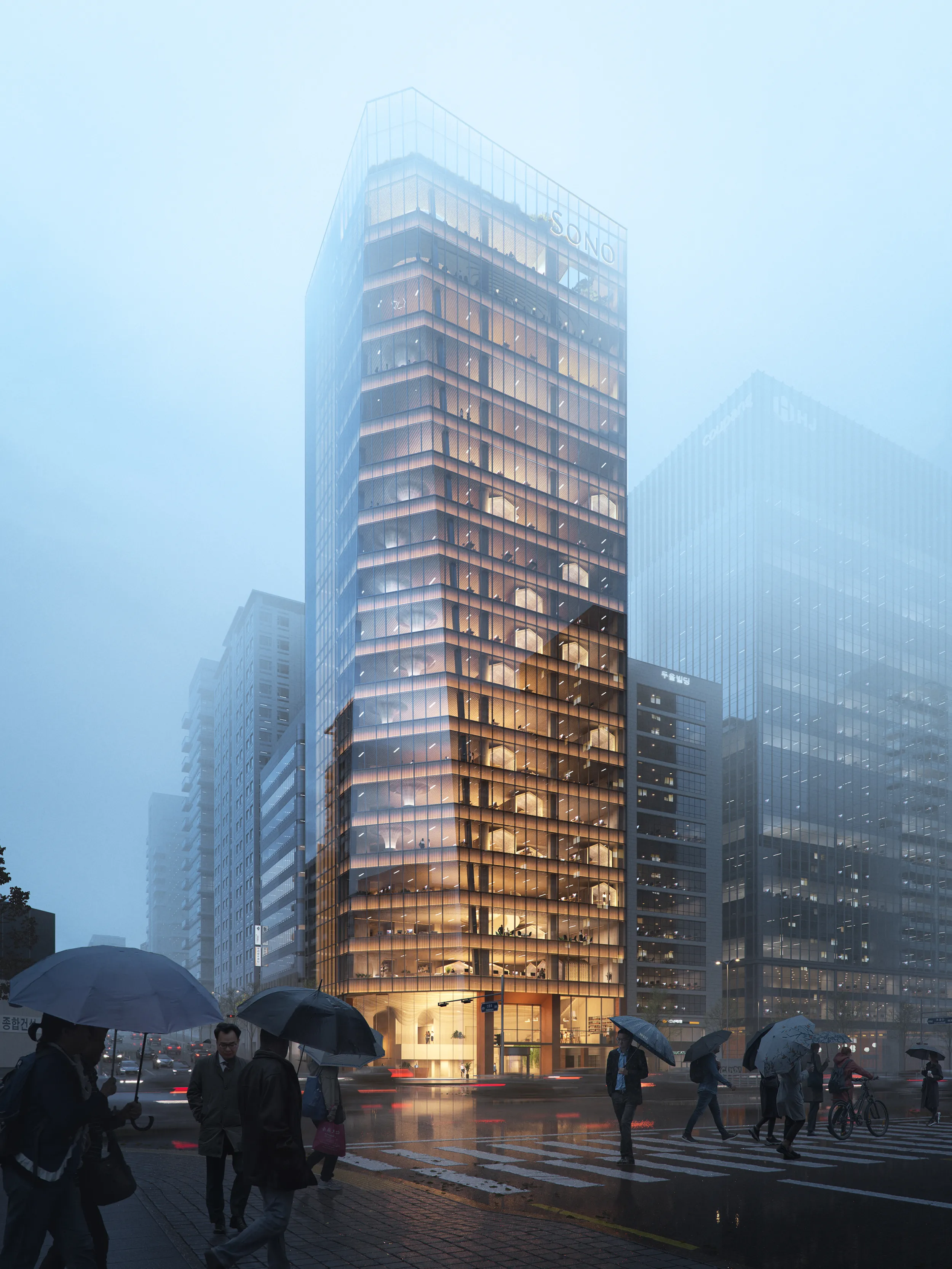
How 3D Rendering Vancouver Supports Faster Design Sign-Off and Client Buy-In
With 3D rendering services Vancouver teams can show exactly what a project will look like before a single brick is laid. High-quality exterior renderings clarify building massing, orientation, and scale, while interior spaces and photorealistic visuals let everyone from architects to real estate developers and potential buyers understand how materials, layouts, and circulation will actually feel. Let’s take a closer look at the kinds of solutions that 3D architectural visualization offers and how they help teams move efficiently through the entire design and approval process.
Exterior 3D Rendering That Makes Massing and Context Unambiguous
Exterior renderings provide clear visual context for how a building will sit within its surroundings. Developers and city reviewers can evaluate massing, façade articulation, and integration with the surrounding landscape quickly. For high-rise or multi-building developments, specialized services such as High-rise Building Rendering Services allow stakeholders to immediately grasp vertical scale, building relationships, and neighborhood context.
Interior 3D Rendering That Clarifies Materials, Lighting, and Spatial Use
Interior renderings make it easy to communicate how rooms will function, how materials interact, and how furniture or finishes influence the perception of space. They give interior designers, architects, and potential buyers a realistic sense of layout and usability before construction. Tools like Living Room 3D Rendering demonstrate how interior spaces can feel both functional and inviting, supporting more confident decisions in design and pre-sales presentations. For restaurants, mixed-use buildings, or community developments, solutions like 3D Restaurant Rendering Services allow teams and stakeholders to effectively communicate design intent and foresee potential challenges before construction begins.
Animation and Immersive 3D Virtual Tours When a Still Image Cannot Prove the Experience
Static images are often not enough for projects involving public spaces, circulation, or complex interactions. Architectural 3D Animation Services provide walkthroughs and immersive tours that make experiential design tangible.
Choosing the Right Format for Concept, Design Development, and Stakeholder Presentations
Not every project or presentation requires the same type of visual. Simple 3D architectural renderings may be sufficient to illustrate interior spaces or façade materials, while animation services or virtual tours are more effective for conveying circulation, scale, and experiential aspects of more complex projects. Selecting the right format helps your expert team present architectural visions clearly, align stakeholder communication, and ensure that potential buyers, clients, and investors fully understand the design aspects of the project from concept through development. Properly chosen formats also support marketing efforts by creating lifelike renderings and detailed images that resonate with the target audience.
Making 3D Rendering Services Vancouver a Reliable Extension of Your Studio Pipeline
A common pain point is visualizations that exist separately from the main project files. This creates extra work and risks inconsistencies in design representation.
Building Reusable Visual Libraries for RFPs, Design Reviews, and Client Presentations
By creating reusable render libraries, architecture teams can efficiently produce consistent visuals for RFPs, client meetings, and public presentations, reducing workload while maintaining quality.
Using Photorealistic Visuals to Align Architects, Consultants, and Clients Earlier
Early visualization ensures that all project participants see the same design interpretation. Misalignments between consultants, developers, and clients are minimized, avoiding costly changes in later stages.
Adapting Visuals for Boards, Web, and Investor Decks Without Losing Design Accuracy
Projects rarely exist in a single format—they are part of project presentations, investor decks, websites, social media and planning submissions. Leveraging 3D architectural rendering services Vancouver ensures that every photorealistic visual faithfully represents your architectural designs, maintaining a consistent visual language across all media. This professional approach helps your team effectively communicate every design aspect to the target audience, strengthens stakeholder communication, and enhances your marketing efforts. When visuals are precise and consistent, clients, investors, and collaborators can trust the design intent, while your expert team demonstrates reliability, attention to detail, and mastery of the entire process.
Why a Consistent Visual Language Protects Design Intent Across Touchpoints
A consistent visual language acts like a bridge between your ideas and the audience’s understanding. Whether on boards, web, or investor decks, uniform 3D architectural renderings ensure that interior spaces, facades, and site plans are interpreted correctly, avoiding miscommunication and maintaining confidence in every stage of the project.
3D Rendering Services Vancouver for Floor Plans and 3D Modelling
Misunderstanding layouts is another frequent pain point. Even experienced clients often misread plans, leading to questions that slow down approvals.
Floor Plans That Support 3D Architectural Visualization Vancouver for Faster Approvals
3D floor plans give a clear view of room relationships, circulation paths, and program distribution at a glance. By translating complex architectural plans into intuitive visuals, they help clients, potential buyers, and stakeholders immediately grasp how spaces function. This clarity reduces repetitive questions, shortens approval cycles, and supports more confident decisions throughout the project.
3D Modelling That Strengthens 3D Architectural Rendering Services Vancouver From Early Options
A detailed 3D model acts as the backbone for all subsequent visualizations. It allows your expert team to explore design options, generate multiple perspectives, and produce photorealistic visuals without losing fidelity. This ensures that every interior space, façade, and site plan aligns with the original architectural visions and maintains accuracy across the entire process.
Floor Plans, 3D Modelling, and 3D Rendering Vancouver in One Cohesive Set
When floor plans, 3D models, and renderings are combined into a single, cohesive set of visualization services, presentations become more professional and decisions come faster. Stakeholders can evaluate spatial layouts, and design aspects efficiently, enabling architects, real estate developers, and interior designers.
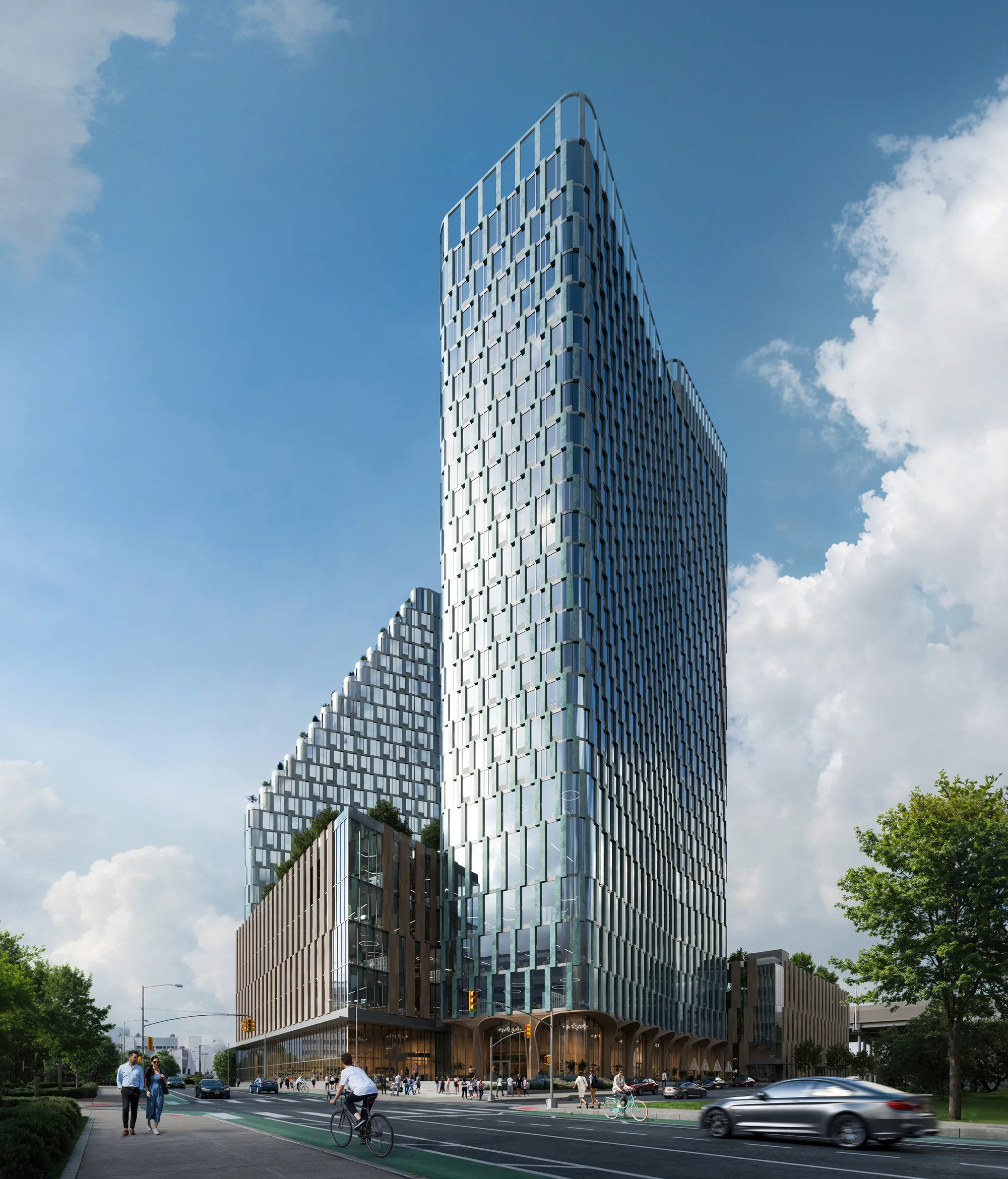
How to Choose 3D Architectural Rendering Services Vancouver Without Losing Control
Architects often fear losing control over the visual outcome. The right partner addresses that concern while keeping processes predictable.
Consistent Visual Language Aligned With Your Architectural Designs and Interior Spaces.
When evaluating potential partners, it helps to know which qualities truly make a difference:
- Consistent visual language aligned with your architectural designs and interior spaces.
- Predictable revision processes that keep projects on schedule.
- Photorealistic visuals capturing materials, façade articulation, and site context.
- Outputs adapted for project presentations, investor decks, and marketing efforts.
- Flexible formats with pricing that reflects complexity: simple renderings, animation services, or immersive virtual tours.
When Teams Compare a 3D Product Rendering Company Vancouver to Archviz and What Actually Matters
While a 3D product rendering company Vancouver may excel at objects, architectural projects demand broader spatial understanding, integration with surrounding landscape, and accurate representation of circulation and scale. Selecting a team that can handle multiple formats, from detailed images to animation services, ensures that stakeholder communication is clear and that the target audience fully grasps the project’s design intent. For projects that benefit from external expertise, it’s possible to Outsource 3D Architectural Rendering without losing control over style or accuracy.
How an International 3D Rendering Studio Supports Vancouver Teams With Predictable Revisions
Working with international studios brings broad expertise, reliable timelines, and strong quality control. Even if a studio hasn’t completed projects in Vancouver specifically, prior experience elsewhere in Canada offers valuable insight into urban context, site plans, and material handling. Studios that have handled similar projects provide confidence that designs will translate accurately locally. Examples of this regional expertise include 3D Architectural Rendering in Montreal and 3D Rendering Services in Toronto , and 3D architectural rendering services Calgary.
All images © CYLIND
