The global 3D rendering market was valued at USD 4.21 billion in 2024 and is projected to reach USD 19.82 billion by 2033, growing at a 19.2% CAGR (2025–2033), according to Grand View Research. Growth reflects a deepening reliance on visual tools that synchronize design, finance, and communication, signaling a shift in professional practice where visualization now stands at the center of project and investment decisions.
The quality of that image can move capital, shape perception, and define how architecture is understood before it exists. Knowing the key 3D rendering methods and their best uses gives design teams an edge in both storytelling and execution.
Let's explore this craft, from stylistic approaches and computational methods to architectural applications and the technical foundations that give images depth, accuracy, and emotional resonance.
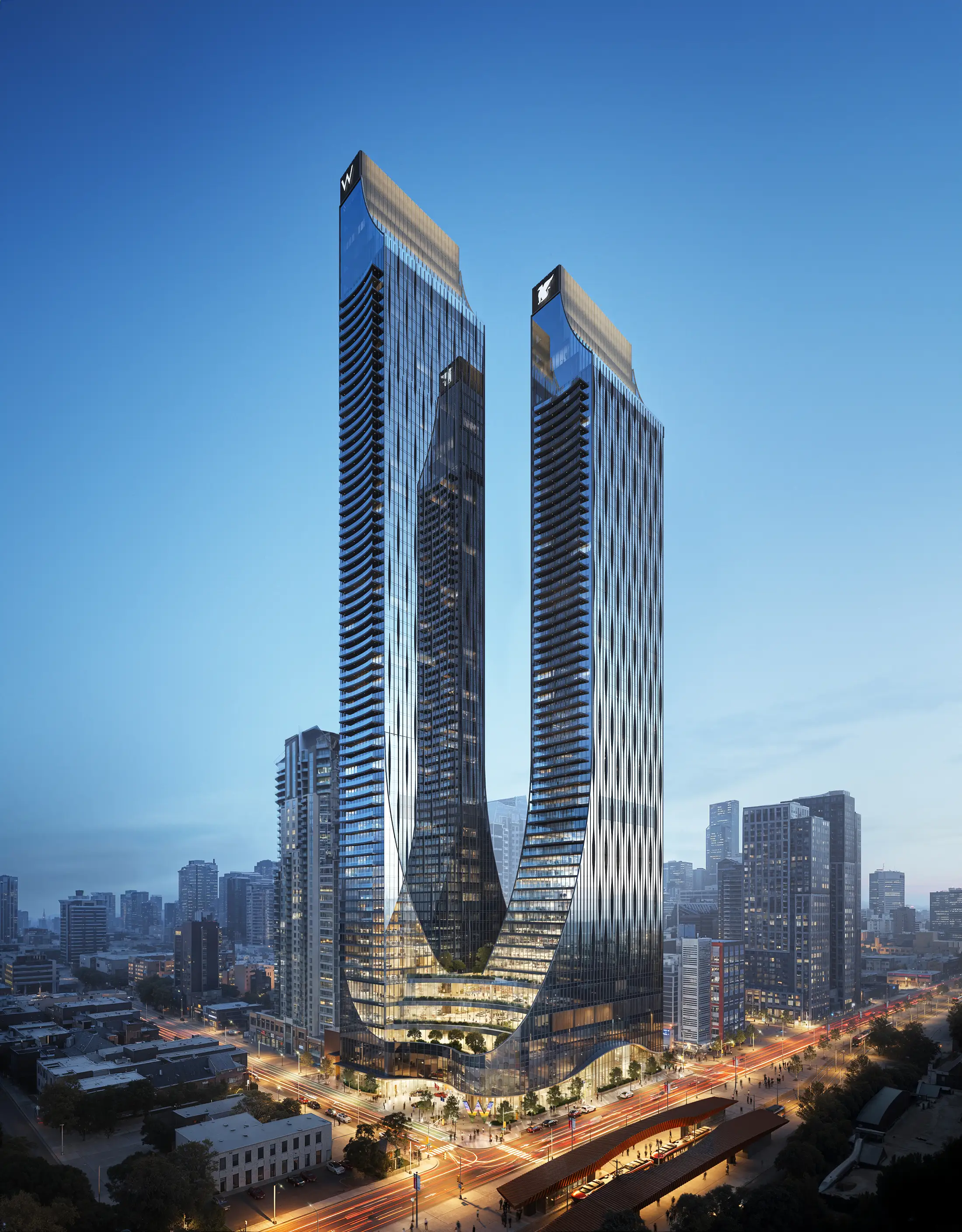
Types of 3D Rendering by Visual Style
Visual style determines how stakeholders interpret ideas and how teams shape early decisions. Among the main types of 3d rendering by visual style, photorealistic and non-photorealistic approaches play different roles at different stages of a project.
Photorealistic Rendering Techniques
Photorealistic rendering has become the benchmark for credibility. When lighting, texture, and composition align, an image produces an immediate sense of authenticity. Architectural teams rely on physically based shading, high-resolution textures, accurate reflections, and well-balanced shadow work to replicate the behavior of real light.
Engines equipped with ray tracing and detailed global illumination give surfaces depth and help viewers read scale and material quality intuitively. For developers or investment committees, this level of realism makes a project feel tangible even at early design stages. For design teams, photorealism tests whether a concept holds up under daylight, artificial lighting, and environmental exposure.
Non-Photorealistic Rendering (NPR) Methods
Non-photorealistic rendering sits at the opposite end of the spectrum. It supports early imagination, when ideas shift quickly and precision might distract from the core narrative. Stylized linework, watercolor effects, diagrammatic shading, and sketch-inspired visuals help teams explore spatial ideas without locking in detailed assumptions. These more abstract types of 3d renders are especially useful for framing initial concepts without overspecifying materials.
NPR is particularly effective during community engagement and early stakeholder outreach. People often connect more comfortably with sketches than with polished visuals, because sketches invite participation rather than signal finality.
More about Architectural Rendering Styles.
3D Rendering Techniques by Processing Approach
The technical path behind an image shapes everything from revision speed to rendering cost and visual quality. Choosing the right approach for a specific moment in a project can dramatically improve workflow efficiency and clarify when to prioritize two types of 3d rendering in practice: fast interactive previews versus high-end offline output.
Real-Time Rendering for Interactive 3D Models
Real-time rendering has become a collaborative environment rather than a final output medium. Tools like Enscape, Twinmotion, Unreal Engine allow teams to explore spaces with clients, adjust materials, move furniture, and experiment with light on the fly.
Because these environments maintain performance while presenting a complete 3D scene, they support VR sessions, on-site workshops, and shared reviews across international teams.
Real-time workflows are particularly valuable in large developments and mixed-use projects, where many stakeholders come from non-design backgrounds. Interactive models make it easier to understand a site plan, circulation logic, or massing relationships without reading drawings.
Post-Process Rendering for Enhanced Visuals
Once a base render is complete, post-processing focuses on refining atmosphere and polish. Color correction, tonal adjustments, softness in depth transitions, and added reflections help create visual depth. Subtle visual effects like bloom, fog, and controlled vignetting guide attention without altering architectural accuracy.
Many renders reach their emotional impact through this stage. Post-production gives artists control over mood and storytelling: two qualities essential for competition entries, investor decks, and campaign imagery.
Blending Real-Time and Post-Process Workflows
Professional visualization combines both approaches to balance time and quality. Real-time rendering supports iteration and decision-making, while post-processing produces images ready for public release. These two steps also make it easier to explain two types of 3D rendering to clients who need to understand the difference between fast previews and final, polished output. The integration of these two worlds is becoming increasingly common in development pipelines and aligns naturally with the practices described in 3D Rendering In Property Development. Across these workflows, teams move fluidly between different types of 3d rendering depending on audience and goal.

Applications of 3D Rendering in Architectural Visualization
Visualization supports nearly every role in the built-environment industry. The following applications illustrate how different 3D rendering types help teams communicate intent at each stage and how various types of rendering 3d graphics serve different decision points.
Architectural Rendering for Building Design
Architectural rendering translates design geometry into something people can feel. It reveals massing, materials, and environmental character. Interior daylight studies, facade concepts, and early material palettes often begin here. Renderings also help unify large consultant teams by presenting a shared visual goal.
Interior Rendering for Detailed Spaces
Interior rendering captures the emotional core of interior design. Finishes, lighting layers, reflections, color temperature influence how people imagine themselves in a space. Hospitality, residential, workplace clients rely on these images to evaluate experience. Detailed techniques are discussed in Living Room 3D Rendering, where careful attention to material realism and lighting harmony creates believable environments.
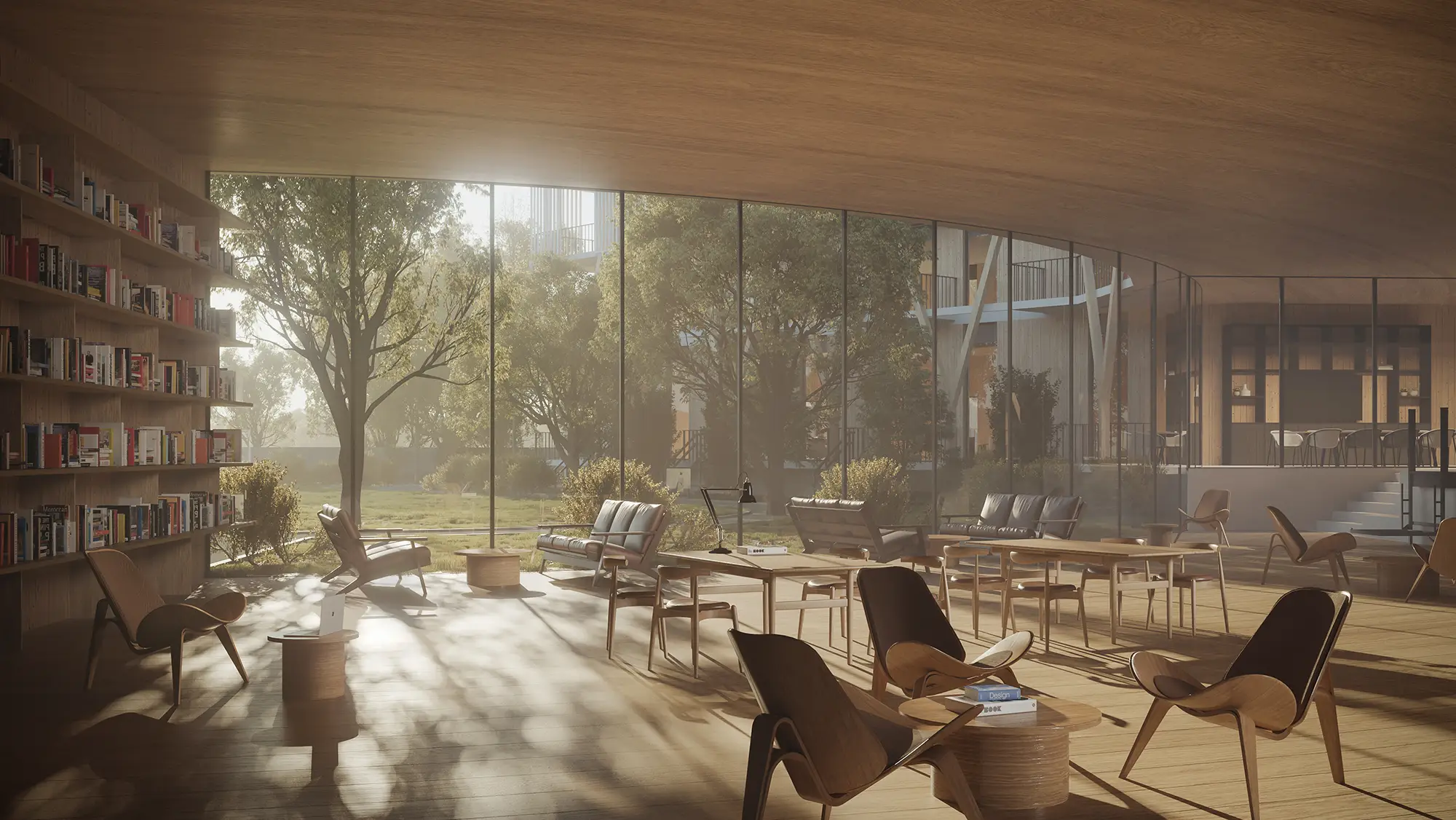
Exterior Rendering for Property Marketing
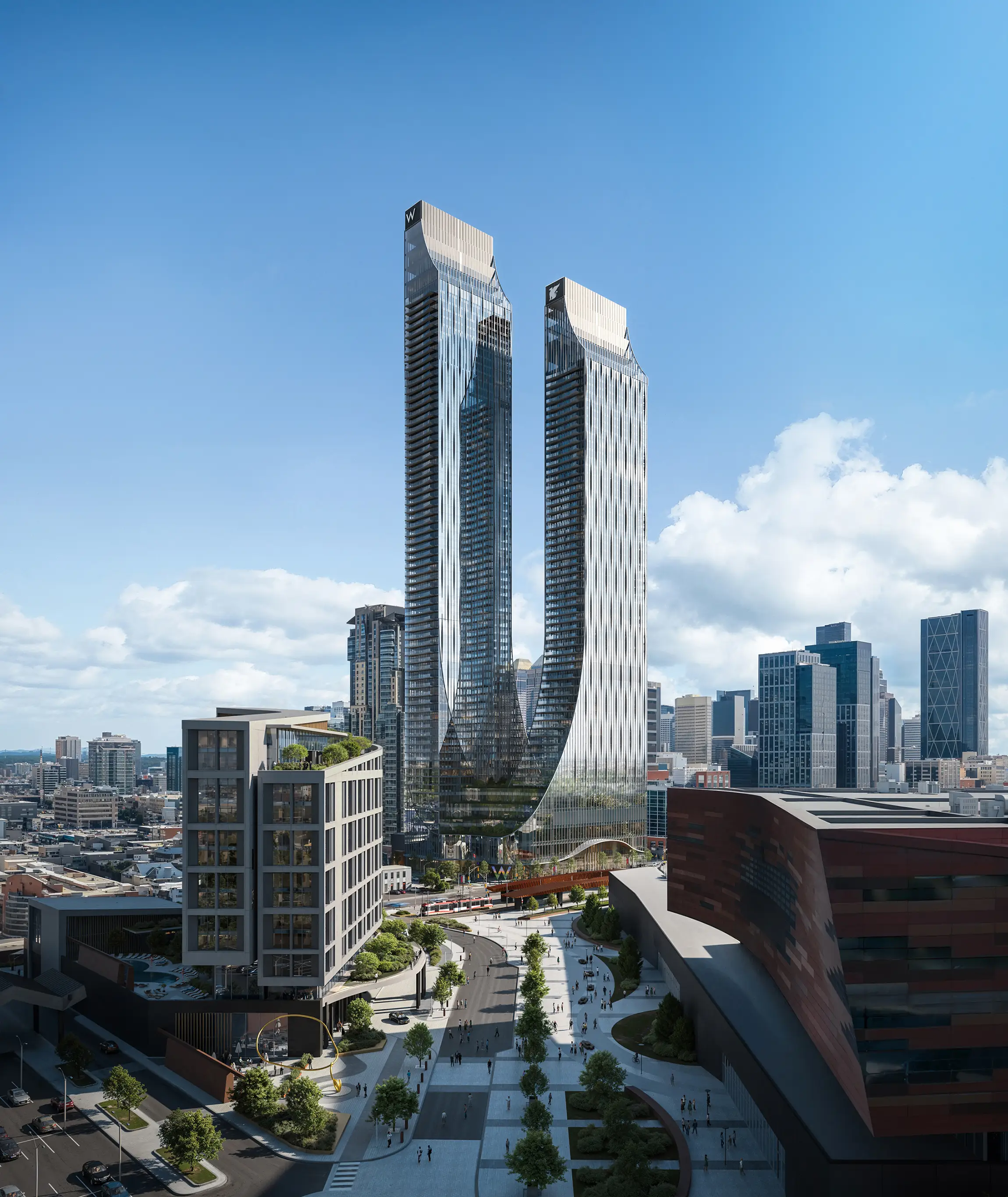
Exterior renders act as the public face of a development. They clarify context, scale, and architectural language. When created with consistent art direction, these visuals support the unified branding strategies outlined in Top Advantages of 3D Visualization.
Street-level views, skyline perspectives, and landscape-rich hero shots demonstrate value long before construction begins. For projects where outdoor environments play a significant role, landscape integration often follows the methods provided by 3D Landscape Rendering Services.
Virtual Tours with 3D Rendering Techniques
Virtual tours and 3D Architectural Walkthrough allow viewers to explore a design independently. Linked panoramas, 360-degree scenes, and real-time environments give people intuitive access to the architecture. This immersive experience helps audiences understand spatial relationships and pathfinding.
3D Animation for Dynamic Visualizations
Animations tell a story about movement, arrival, and unfolding sequence. Flythroughs illustrate how spaces connect, while ground-level journeys help people imagine daily life within the development. On large sites or complex interiors, animation often communicates more clearly than any static set of images.
CGI in High-Quality Architectural Rendering
Computer-generated imagery gives studios a consistent foundation across disciplines. The same 3D model can generate stills, animations, and interactive content, keeping materiality and lighting consistent. CGI has become essential in architecture, development, and product design because it allows teams to produce varied outputs from a single, well-crafted source.
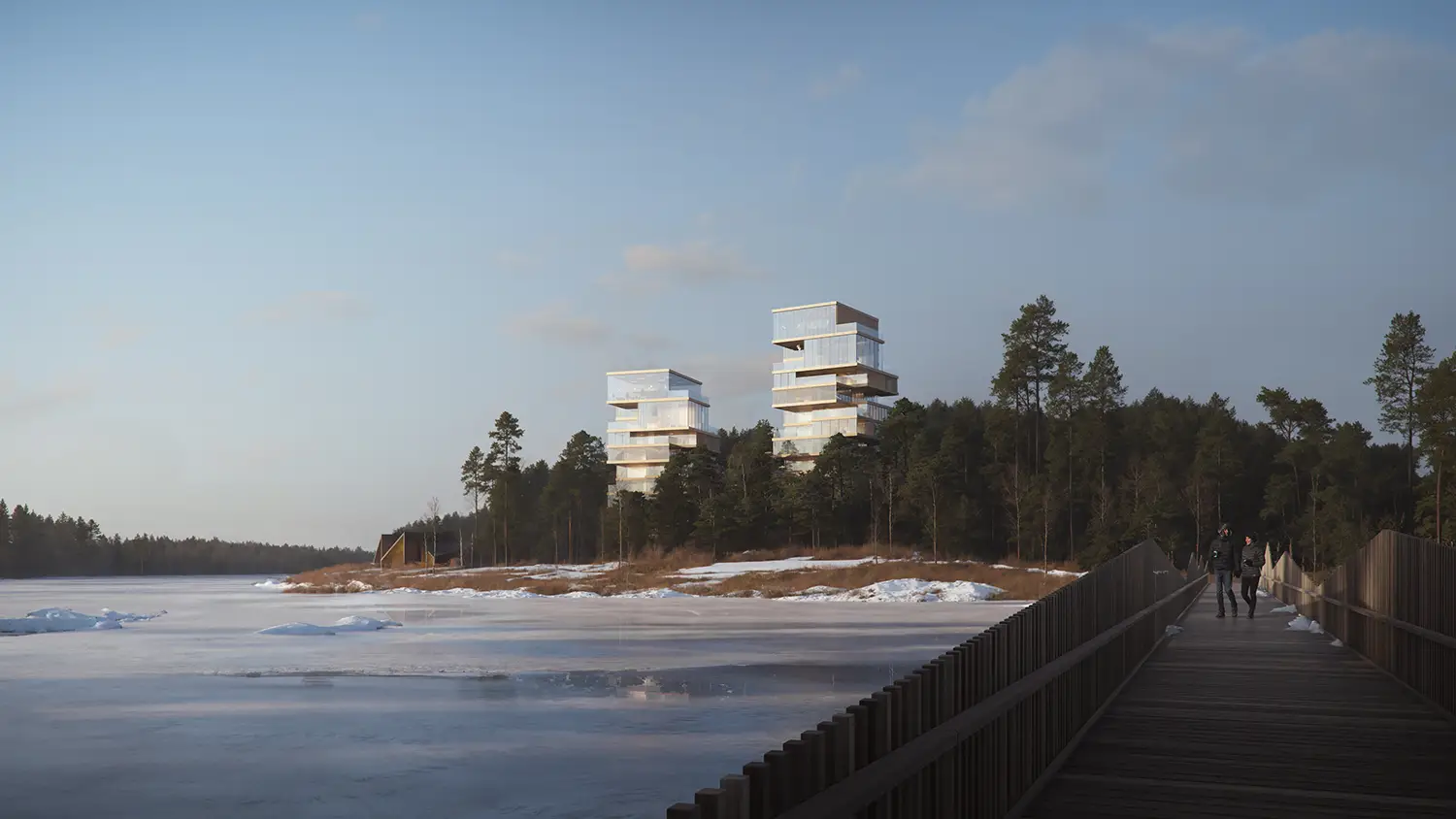
Core 3D Rendering Methods and Processes
Understanding the technical structure of rendering gives artists and designers more control over atmosphere, clarity, and realism.
Key Types of Rendering 3D Graphics
Different rendering methods are used across 3D graphics, from real-time applications to high quality product rendering. Each technique—ray casting, ray tracing, rasterization, path tracing, radiosity and scanline rendering—approaches light and image calculation in its own way, shaping the balance between speed, detail and visual realism.
Ray Tracing Techniques
Ray tracing builds on the basic concept of ray casting, which simply determines which surface is visible from the camera by sending a single ray into the scene. Ray tracing takes this further by calculating how light rays bounce, reflect, refract and diffuse across materials. This added complexity captures soft shadows, reflected color and other subtle details, making ray tracing a core method for producing photorealistic architectural images.
Rasterization for Real-Time Rendering
Rasterization renders images quickly by converting vector geometry into pixels. It supports real-time environments, VR experiences, and interactive configurators. While rasterization is faster than ray tracing, modern engines combine it with advanced shading and screen-space effects to achieve convincing results.
Path Tracing for Advanced Illumination
Path tracing expands on ray tracing by sampling many possible light bounces. This simulation produces soft illumination, color bleeding, and balanced ambient light. It is widely used for hero stills, environmental close-ups, and scenes where atmosphere depends on subtle light interplay.
Radiosity for Soft Lighting Effects
Radiosity focuses on diffuse illumination and calculates how surfaces share light energy. This produces gentle, natural brightness that works particularly well in interiors dominated by indirect light.
Scanline Rendering for Efficiency
Scanline rendering processes geometry efficiently and is useful for previews, iterative animations, and large scenes. Although it is less realistic than ray tracing or path tracing, its speed makes it practical for heavy production environments.
Fundamental 3D Modelling Rendering Techniques
Working with three-dimensional models starts with a few essentials that sit at the core of 3d modelling rendering techniques: clean geometry, believable materials, and controlled lighting effects. Modern 3d rendering software applies core ideas from computer graphics to keep these elements consistent from scene to scene. These straightforward techniques help produce readable images for today’s workflows while keeping them flexible enough to adapt to the future.
Shading in 3D Rendering
Shading determines how surfaces interact with light. Physically based shading models ensure that materials behave consistently under changing environments.
Lighting for Realistic 3D Scenes
Lighting shapes both atmosphere and readability. Sun and sky systems, HDR environments, and artificial lighting setups define mood and help viewers interpret space. Many studios treat lighting as a design discipline of its own.
Global Illumination (GI) for Natural Lighting
Global illumination simulates bounced light and contributes to natural-looking daylight and interior softness. It adds cohesion and depth to scenes, an essential step in believable visualization.
Texturing for Material Realism
Material detail comes from texture work. High-resolution maps, bump information, reflectivity settings, and careful UV layouts allow surfaces to express grain, gloss, wear, and structure.
Anti-Aliasing for Polished Renders
Anti-aliasing smooths jagged edges and maintains clarity in fine detail. The technique is important for crisp output across print and digital formats.
Streamlining the 3D Rendering Process
A well-organized pipeline supports consistent quality and predictable delivery. Modular asset libraries, disciplined naming conventions, and adaptable lighting presets help teams stay efficient.
Budgeting and scheduling considerations often follow principles similar to those described in 3D Rendering Cost, where complexity, resolution, and lighting conditions influence both pricing and production time.
When teams must scale rapidly or handle high volumes of deliverables, outsourcing models based on Outsource 3D Architectural Rendering offer additional capacity without compromising consistency. Cloud-rendering solutions further support parallel processing and allow large images or animation sequences to render overnight.
All images © CYLIND
