As Qatar advances toward its long-term goals under Qatar National Vision 2030, every major project now sits in a clear context of four pillars, national targets and local standards. In the following sections, we’ll look at what Qatar National Vision 2030 is for day-to-day design work in Doha, how it shapes requirements for masterplans and buildings, and where architectural visualization helps teams present their ideas, evidence and scenarios in a way that fits this agenda.
Understanding Qatar National Vision 2030 and Its Four Pillars
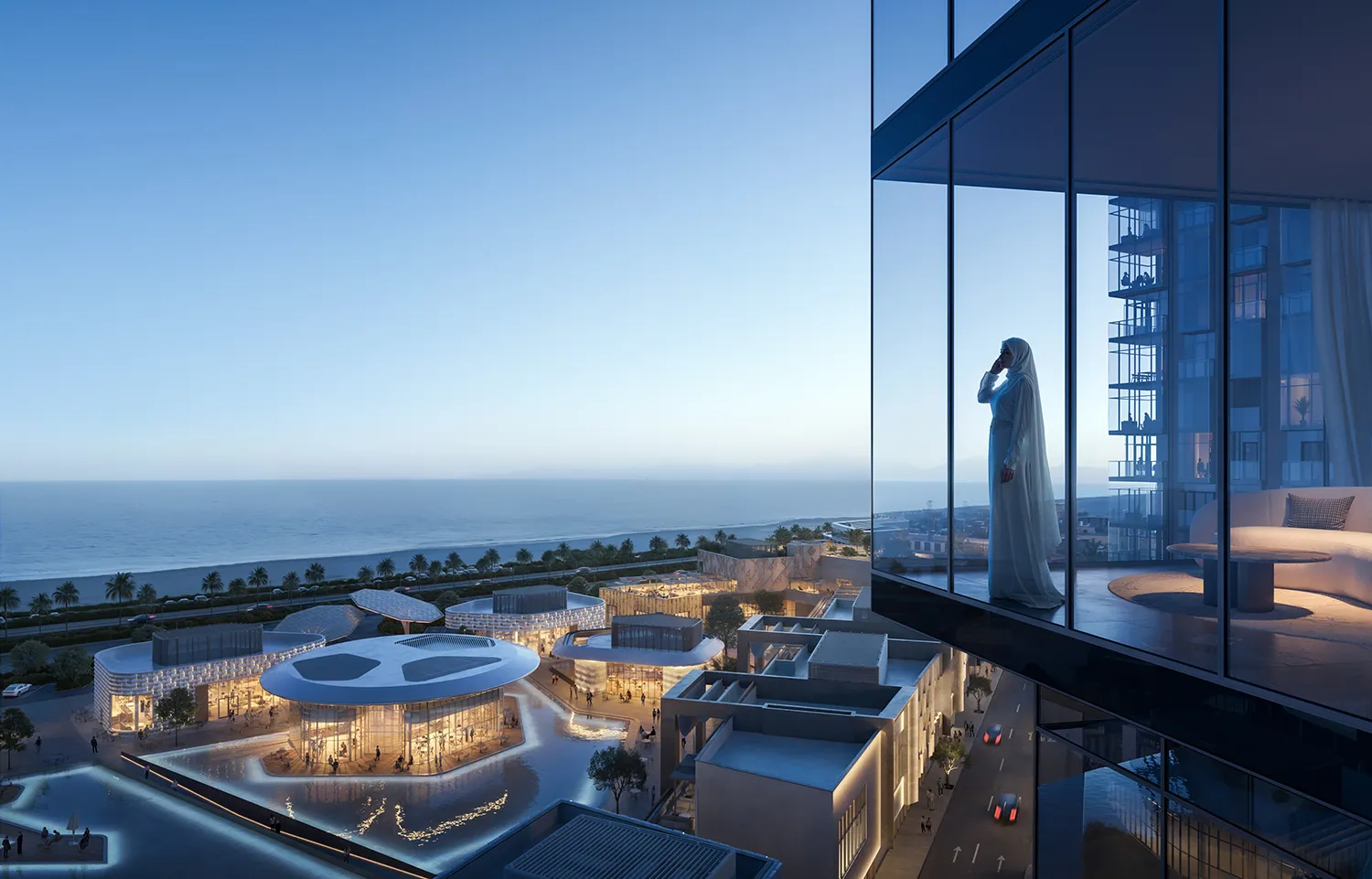
QNV2030 sets the framework within which most public and private developments in Qatar take shape. Before looking at specific projects or tools, it’s useful to understand how the four pillars guide expectations for design, sustainability and long-term planning.
What Is Qatar National Vision 2030?
Qatar National Vision 2030 (QNV2030) is the country’s foundational long-term plan for sustainable development. First launched in 2008, it outlines Qatar's intention to transform into an advanced society capable of sustaining a high standard of living for its future generations.
The strategy bridges economic growth, cultural continuity, environmental responsibility, and human capital development. It complements subsequent National Development Strategy cycles, including the latest 2024–2030 plan, which sets measurable targets such as achieving 4% annual economic growth and a 25% reduction in emissions.
In practice, 2030 Qatar Vision expectations shape everything: architectural competitions, zoning decisions, sustainability directives, mobility networks, and the review process for public and private developments. The universal tool for that, used by design teams, is visualization as a means to communicate complex information clearly and ensure policy alignment from the outset.
The Four Pillars That Drive Qatar’s Transformation
QNV2030 is built on four pillars that determine how every major development in Doha and the wider region should be planned, designed, and executed.
Human Development – Building a Knowledge-Based Society
This pillar focuses on creating a skilled, innovative workforce with access to world-class education, healthcare and research environments. Architectural visualization plays a crucial role in university campuses, innovation districts, hospitals and cultural institutions, showing how circulation, accessibility, microclimate and spatial experience will support Qatar’s human development goals according to the National Vision 2030 Qatar.
Social Development – Balancing Tradition and Modernity
Qatar seeks to preserve its cultural identity while promoting social cohesion and inclusivity. This requires thoughtful public-realm design, community spaces and cultural integration.
Projects like Msheireb Downtown Doha exemplify the balance of heritage and modern smart-city UX—something that high-quality visualization communicates exceptionally well. Through realistic scenes showing public behavior, shading comfort, nighttime safety and wayfinding, social design intent becomes immediately clear to regulators and communities.
Economic Development – From Hydrocarbons to Diversification
A core directive of Qatar’s National Vision 2030 is reducing dependence on hydrocarbons and strengthening the private sector through economic diversification.
Architectural visualization helps advance this by:
- supporting investment pitches,
- enabling clear communication with global partners,
- showing the feasibility of large-scale mixed-use districts,
- reducing design uncertainty in early phases.
Tools such as Urban Design Rendering enable planners to present economic clusters, mobility flows, logistics nodes, and coastal developments with clarity and precision.
Environmental Development – Sustainable Growth for Future Generations
This pillar addresses the environment, climate resilience, and long-term ecological protection. Qatar’s projects must demonstrate responsible use of resources, low-impact materials, and efficient building systems.
Visualization supports environmental development through:
- GSAS-oriented renders showing predicted building performance
- shading, daylight and energy simulations
- visual communication of water-saving strategies
- storytelling around native landscaping and microclimate
Environmental rendering packages help explain why a design achieves a particular GSAS rating, supporting smoother approvals and stronger alignment with regulators.
Qatar 2030 Vision Projects: Iconic Developments Reshaping Doha
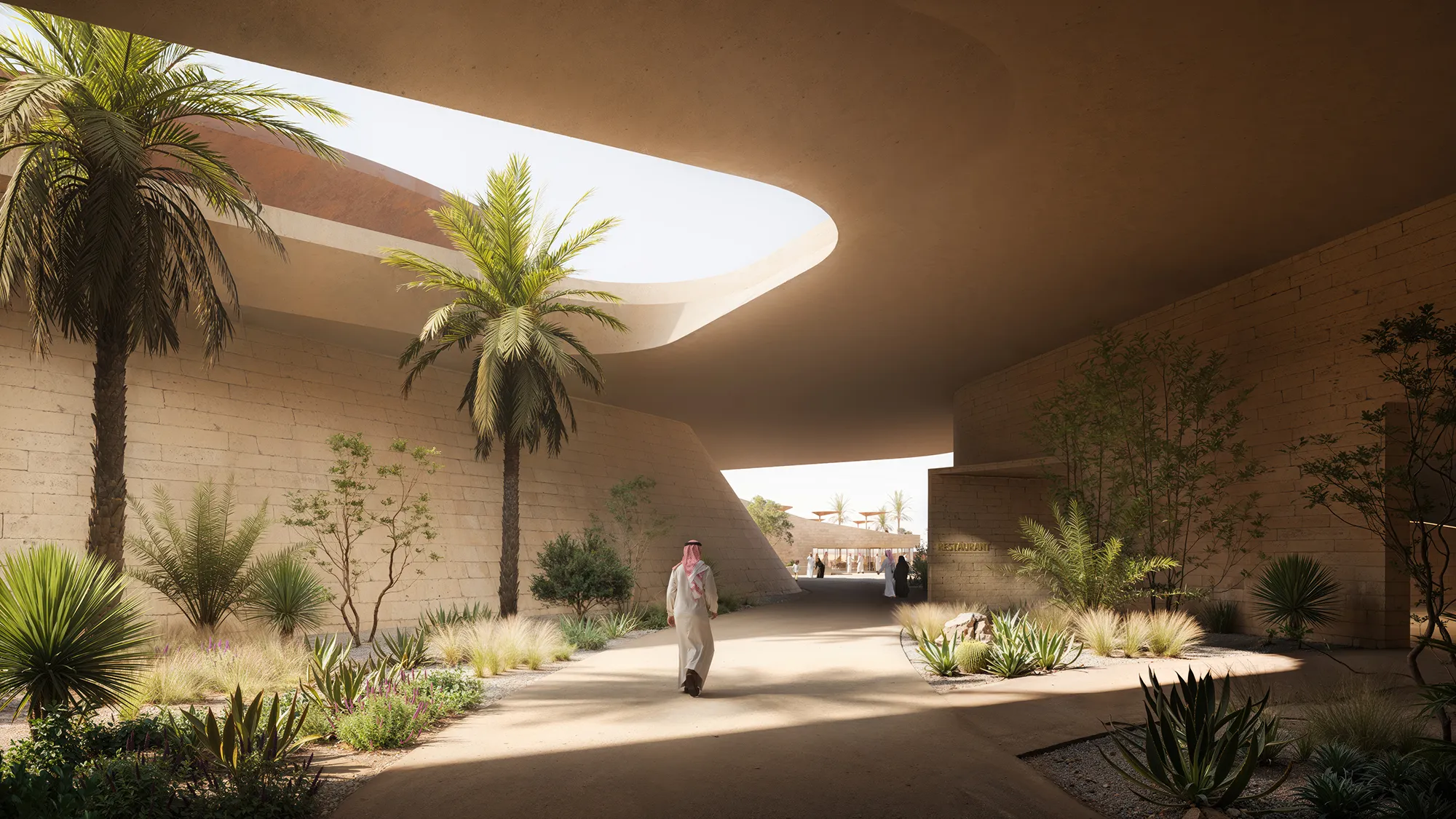
Large-scale initiatives across Doha illustrate how the Vision is being translated into built environments. These projects highlight the country’s priorities in mobility, mixed-use planning, cultural identity, and sustainable urban growth.
Major Infrastructure and Real Estate Projects Under Qatar Vision 2030
Examples of Qatar 2030 Vision projects include:
- Lusail City stands out as a fully master-planned city built from the ground up, integrating mixed-use development, public transport, and sustainability at a metropolitan scale. Designed to accommodate more than 450,000 residents and users, it represents a long-term model for future urban living in Qatar rather than a standalone development.
- Doha Metro is a key national infrastructure project supporting mobility, reducing traffic congestion and improving urban connectivity across Doha. It stands out as a fully automated, driverless metro system, equipped with advanced signaling, real-time monitoring and smart station technologies, making it a high-tech backbone for sustainable and future-ready urban transport in Qatar.
- Msheireb Downtown Doha represents a flagship urban regeneration project that blends sustainability, smart-city technologies and Qatari architectural heritage. Designed as a climate-responsive and digitally managed district, it sets a benchmark for culturally rooted, future-ready urban development in Doha.
- Education City serves as a major hub for education, research, healthcare and innovation, bringing together international universities, research institutes and advanced medical facilities within a single integrated campus. Developed by Qatar Foundation, it plays a central role in knowledge-driven development and long-term human capital growth in Qatar.
- Ras Bufontas Free Zone and Umm Alhoul Free Zone function as strategic economic zones designed to support logistics, manufacturing, advanced technologies and international investment. Located near Hamad International Airport and Hamad Port, they play a key role in positioning Qatar as a regional hub for global trade, innovation and industrial growth.
These projects reflect the country’s long-term strategy for resilience, growth and global competitiveness. To learn more about how the MENA region is evolving and what this means for developers, explore insights from Real Estate Developers in the MENA.
How 3D Rendering Brings Mega-Projects to Life Before Construction
Megaprojects require alignment between ministries, developers, investors and communities. 3D rendering offers:
- photorealistic visuals for early approvals
- integrated mobility & shading studies
- GSAS evidence (energy, water, materials)
- simulations of pedestrian flows and microclimate
- day/ night scenes for safety and activation analysis
When combined with Mixed-Use Development Renderings, design teams can show how new districts function as cohesive ecosystems.
Why Architectural Visualization Is Critical for Qatar Vision 2030 Success
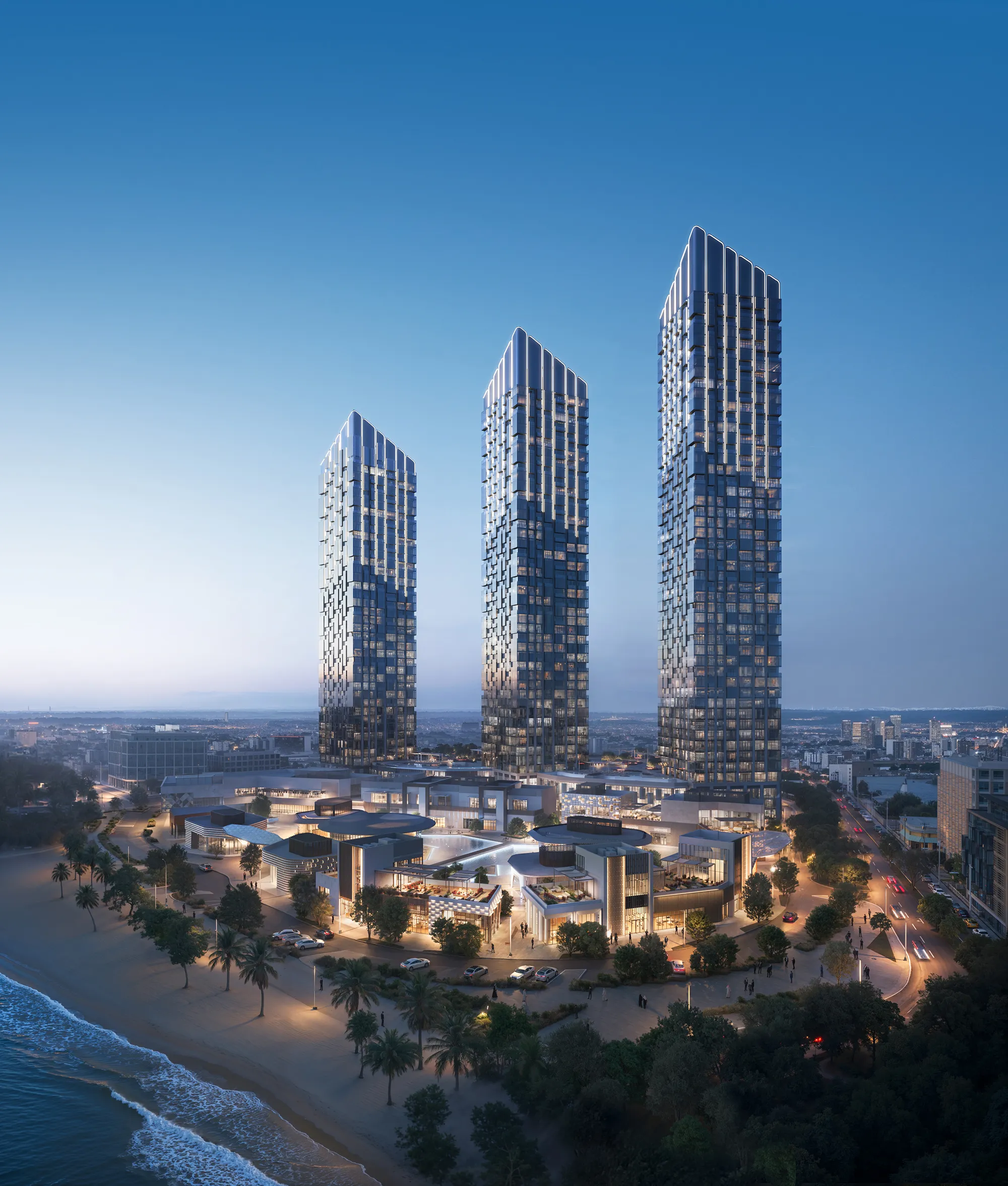
With multiple stakeholders involved in every major development, visual clarity has become essential for communicating intent and demonstrating alignment with national goals. Visualization helps teams present decisions, performance indicators and spatial qualities in a format that is easier to assess and approve.
Communicating Complex Designs to Government Stakeholders and Investors
Regulators expect “policy-fit visuals” that clearly align with the 4 pillars of Qatar Vision 2030, GSAS requirements and National Development Strategy KPIs. Visualization transforms technical data into intuitive storytelling that ministries and investors can easily evaluate.
Accelerating Approvals and Reducing Risks in High-Profile Developments
Doha’s fast-moving development cycles leave little time for uncertainty. Rendering Services in Qatar shortens approval timelines by presenting design intent without ambiguity.
Enhancing Marketing and Pre-Sales for Luxury Real Estate in Qatar
Developers increasingly rely on immersive 3D content to secure early buyers and tenants. High-end visual assets such as animations, photomontage, and VR tours play a critical role in project positioning, as highlighted in 3D Rendering for Marketing.
Supporting Economic Diversification Through World-Class Presentation
Clear visuals help position Doha as a competitive global hub for innovation, tourism, and real estate. They strengthen credibility for new industries, stimulate the private sector, and reinforce Qatar’s ambition to diversify beyond hydrocarbons.
How Top-Tier 3D Visualization Partners Help You Win Qatar 2030 Projects
Top-tier 3D visualization partners are purpose-built for the creation of high-end visual content. Fully focused on visualization, they combine specialized talent, dedicated pipelines and advanced tools to deliver complex projects efficiently and at scale.
Their singular focus allows them to handle diverse project types worldwide while translating sophisticated design, performance and sustainability data into clear, compelling visual narratives, informed by the latest industry insights and Architectural Rendering Trends. This makes visualization a strategic advantage, supporting approvals, investor engagement and competitive positioning within Qatar National Vision 2030 projects.
Photorealistic Renders and Virtual Tours That Impress Decision Makers
Project stakeholders require more than visual appeal. High-quality visualization must reflect realistic materials, climate-responsive lighting, accurate shading analysis and performance indicators aligned with GSAS standards to support informed decision-making.
VR/AR Experiences for Client Presentations and Public Exhibitions
Immersive VR/AR experiences facilitate engagement with ministries, public audiences and investors. They also support cultural and behavioral scenario planning in social development projects.
Fast Turnarounds That Match Qatar’s Ambitious Construction Timelines
Schedules for Qatar National Vision 2030 projects are extremely tight. Outsourcing pipelines such as 3D Architectural Rendering Outsourcing helps deliver regulator-ready content faster, with ABIMS-friendly file structures and predictable quality. Teams can reference How Long Does 3D Rendering Take to plan submission cycles effectively.
All images © CYLIND
