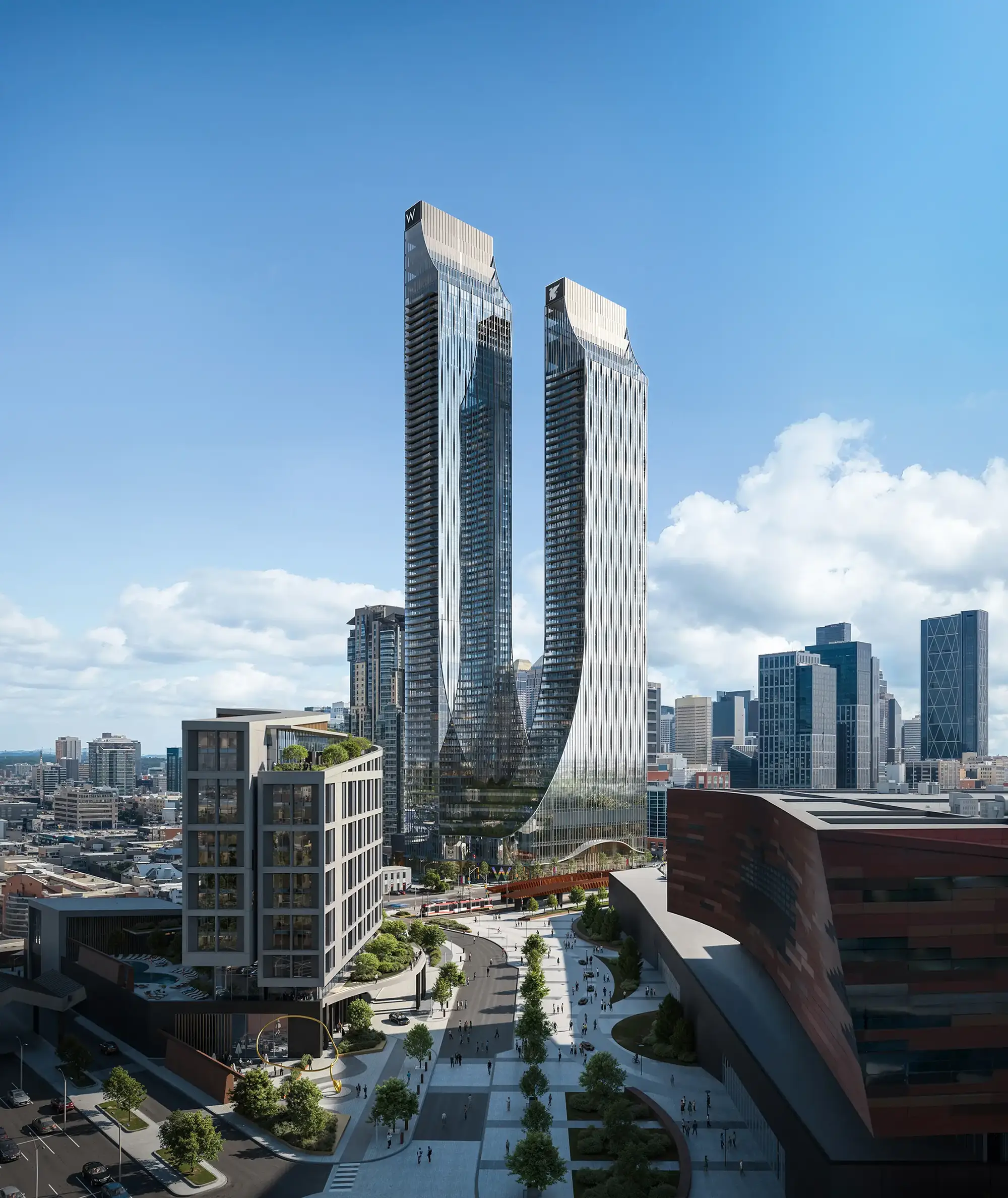
In real estate, success often depends on what people can imagine before they can touch. A half-built structure or a plan on paper rarely stirs emotion, but a lifelike image can. CGI for property developers bridges this gap, turning technical drawings into experiences that feel real.
For developers, that visual clarity is a new form of literacy, a way to explain a project’s potential to investors, planners, and buyers long before construction begins. What once lived in blueprints now lives in light, texture, and atmosphere. And in a market where trust must be earned early, that clarity can make the difference between hesitation and commitment.
In the sections that follow, we will look at how CGI services for new property developments are actually produced, why they work so effectively in sales and approvals, and how teams can use them across marketing.
How CGI Services for Property Developers Work
Behind each seamless visual sits a disciplined process that merges architectural accuracy with cinematic thinking. Understanding how this workflow operates gives developers a clear view of budget use, shows where smart efficiencies are possible without sacrificing quality, and makes collaboration more transparent, which leads to stronger outcomes.
Data Collection for Property Development CGI
To create compelling CGI for property development, 3D teams begin with comprehensive project data, including CAD or BIM files, floor plans, elevations, site plans, and site surveys, which define the project’s structure, dimensions, and context. Alongside these materials come detailed specifications, references, and creative intent that clarify the key moments to highlight, the target audience, and the desired atmosphere of the visuals. This stage focuses on alignment, translating design and marketing intent into clear, structured information that forms a solid foundation for the 3D model to take its first virtual breath.
3D Modeling for Real Estate Visualization
3D modeling for real estate visualization is the process of creating a precise digital model of a property that mirrors the architect’s geometry, material strategy, and surrounding context. Using dedicated 3D software, this model is then utilized to generate realistic images, animations, and interactive tours for both design review and property marketing purposes. The technology allows developers, planners, and potential buyers to explore spaces before construction, supporting clearer decision-making, faster approvals, and more confident off-plan sales.
Key applications of 3D modeling for real estate visualization include:
- Photorealistic exterior and interior renderings for property marketing
- Interactive virtual tours and walkthroughs for remote viewings
- 3D floor plans that clarify layout and circulation
- Virtual staging and finish options without physical show units
- Design coordination and communication between architects, developers, and planning authorities.
Rendering Photorealistic Property CGI
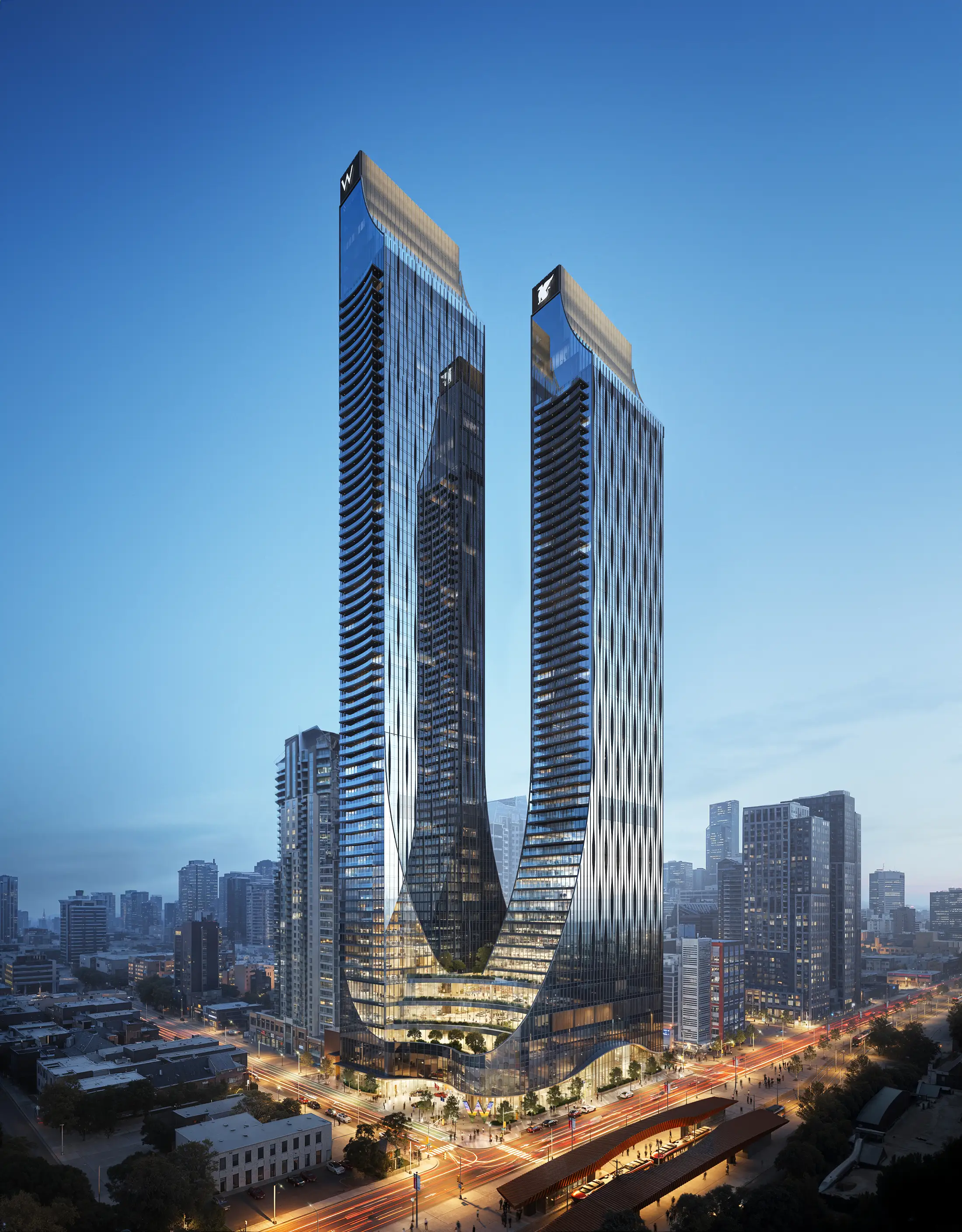
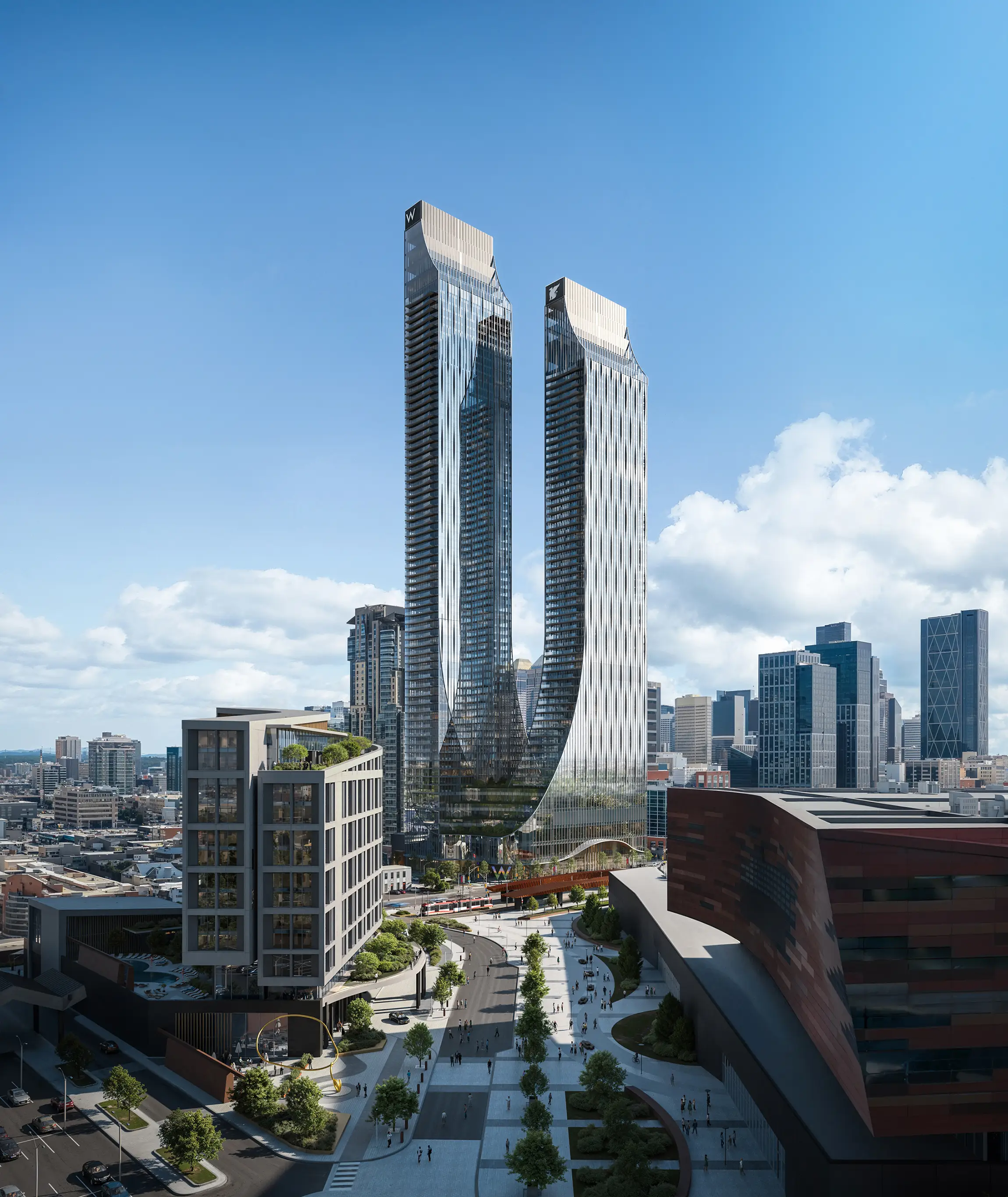
Rendering photorealistic property CGI involves using specialized 3D software to create images that are indistinguishable from real photographs of buildings, landscapes, and interiors. The main goal of photorealistic CGI is to present the final view of a building, whether or not it has been constructed, by accurately simulating textures, lighting, shadows, and materials so the imagery can be relied on for marketing, client presentations, design validation, and construction planning.
To achieve this, artists need meticulous control over how surfaces react to light, ensuring that metal, timber, glass, and stone all behave credibly under different conditions and times of day. Trees, reflections, and atmosphere are added to embed the project in a believable environment and help viewers understand how the space will feel in real use.

Delivering Versatile CGI Assets for Developers
Static images power brochures, and websites; cinematic fly-throughs energize launch events; 360° virtual tours invite remote buyers to explore at their own pace; 3D floor plans and virtual staging simplify layouts for sales teams.
Each asset addresses a different audience while maintaining a unified visual identity. Thoughtful adaptation of imagery and animation for websites, presentations, social platforms, and print keeps the brand message consistent across every channel. Teams planning their rollout schedules can find practical timing insights in How Long Does 3D Rendering Take, and explore budgeting approaches in the 3D Rendering Pricing Guide.
Once produced, these visuals become a working language for every part of the project — marketing, investment, and design review, all communicating through the same lens.
Benefits of CGI for Property Developments
The value of CGI extends far beyond appearance. It shapes both the way developments are presented and the way audiences connect with them.
Enhanced Property Marketing with CGI
Developers use CGI to bring daily life into focus — a morning coffee on the balcony before the city wakes up, children playing in the courtyard, friends gathering in a kitchen filled with soft afternoon light. It’s not just about the architecture; it’s a preview of how a place will be lived in.
In property marketing, CGI helps present a project as a coherent, tangible space. It shows how people move through the building, what views open from each window, and how shared areas work at different times of day. Buyers can understand how the design supports their routines and lifestyle, which makes every decision feel natural and clear from the start.
Markets as diverse as those in San Francisco and Sydney exhibit a similar pattern. When projects rely on high-quality 3D visualisation, more people pause, explore, and stay with the story of your project. In work such as 3D Rendering in San Francisco and 3D Rendering in Sydney, colour, light, and tone are tuned to each location: bay light filtered through coastal haze, sharp harbour sun highlighting materials and details, and streetscapes that feel specific rather than generic. This makes your vision feel grounded in a real place, not in a neutral backdrop. The same principle carries over into specialized asset classes, where senior living facilities 3d visualization highlights calm interiors, accessible circulation, and the quality of daylight that matters most to residents and their families.
When the imagery is high quality, every frame feels like a real moment from the future. You can see the texture of materials, the depth of space, and the rhythm of light. It communicates your vision clearly and consistently across channels — brochures, websites, presentations, and social media, so your project is experienced as something complete and real, not just a concept on paper.
Boosting Off-Plan Sales with Property Developer CGI
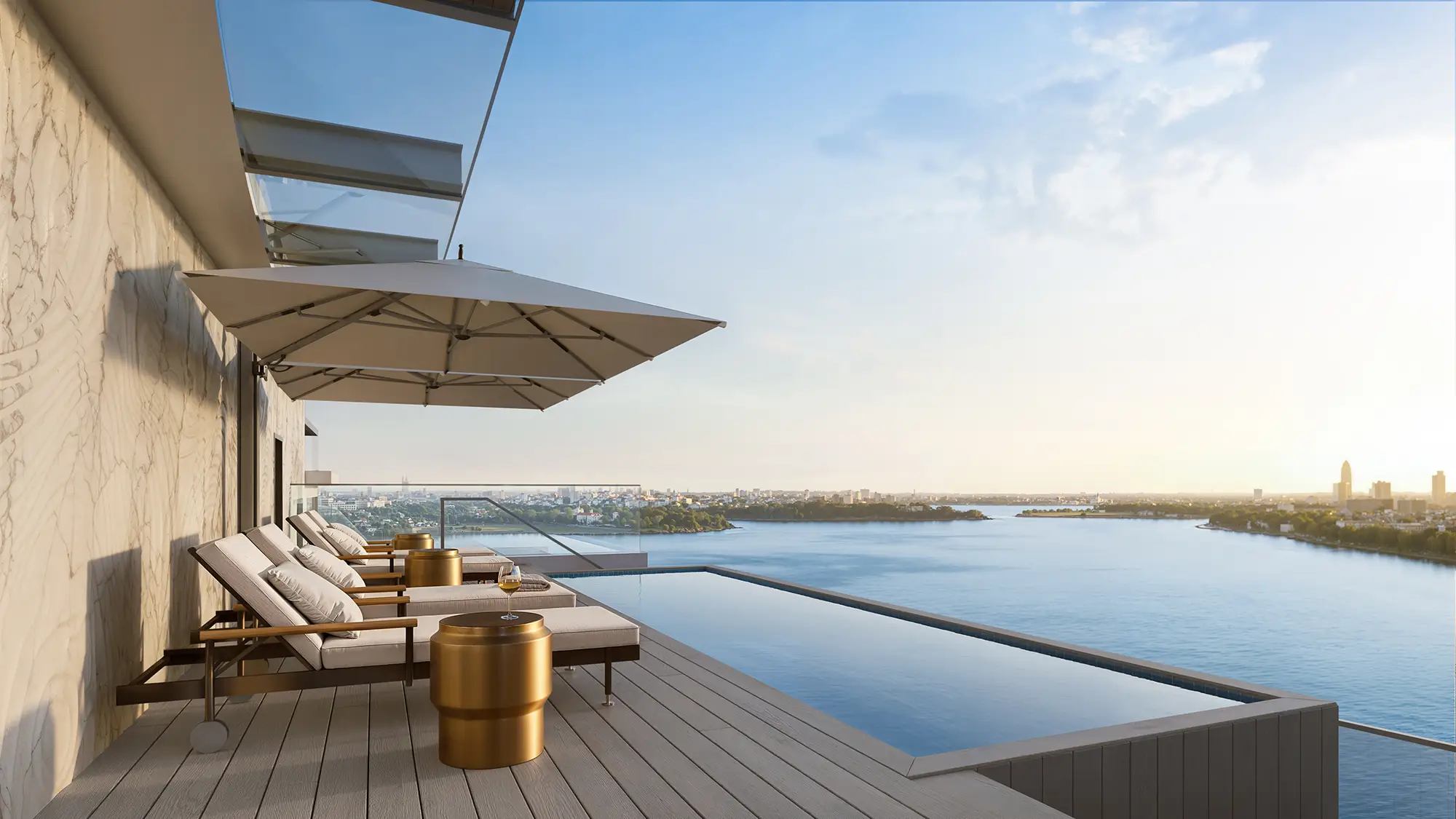
Buying off-plan has always required imagination. Property developer CGI reduces that leap. It shows exactly what buyers are committing to — from daylight in the living room to the proportions of a terrace. These visualizations help potential buyers connect emotionally, and that connection shortens the sales cycle.
For investors, the same realism validates spreadsheets and projections. The more tangible a project feels, the easier it is to attract funding. Many developers also explore dedicated funding for property development strategies to support their projects from early stages. And for marketing teams, CGI brings flexibility — one model can generate imagery for multiple unit types or finish options without extra build costs.
Accelerating Decisions with 3D Visualization
3D architectural visualization helps planners and clients align quickly, saving time and misunderstandings. Floor plans and technical drawings become accessible; design reviews turn into clear discussions about experience and proportion.
Proactive Issue Resolution Using CGI
CGI also works as a diagnostic tool. By testing designs virtually, developers can detect issues — glare, shadowing, privacy conflicts, circulation flaws — before construction begins. Adjustments made in the model save time, materials, and friction later on-site.
That efficiency feeds directly into the financial logic of development. When potential risks are visualized early, budgets stay cleaner, timelines stay shorter, and confidence increases across teams.
Cost Savings Through Virtual Staging
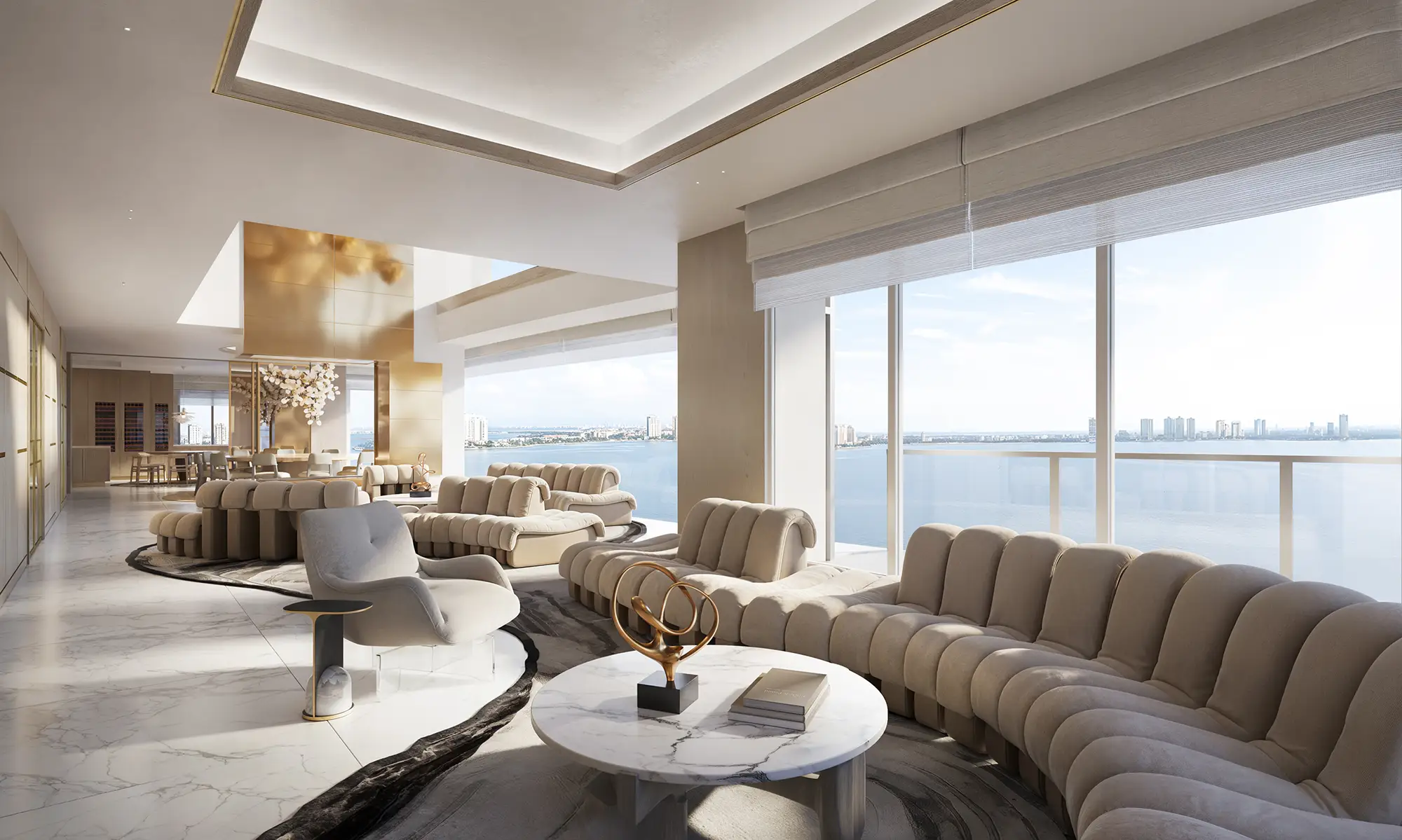
A show unit can cost tens of thousands to build; virtual staging costs a fraction. By furnishing digital interiors instead of physical ones, developers can present multiple design options with zero waste. Florida Realtors estimate savings of up to 97%, while maintaining visual quality that meets modern buyer expectations.
These images don’t just reduce cost; they extend storytelling. A staged render can shift tone — family, urban, minimalist, resort — without changing architecture, helping agents tailor narratives to different markets.
Reaching Wider Audiences with Virtual Tours
As buyers and investors become global, distance matters less than access. Virtual tours give them that access. A well-designed 360° walkthrough lets anyone explore a property in full detail, from lobby to rooftop. The same experience can be deployed across multiple touchpoints — from Instagram and TikTok campaigns to LinkedIn posts and email outreach — and used as a showpiece in live event presentations, launch keynotes, and roadshows, ensuring the project story feels consistent wherever the audience encounters it.
For commercial schemes, this same approach shows tenant flow, brand presence, and vertical circulation, turning abstract leasing data into a tangible experience. When digital access expands, so does the audience.
Improved Communication with Stakeholders
When developers, architects, lenders, and marketing teams all work from the same imagery, misinterpretation is minimal. CGI becomes the shared language of the project, bridging creative and commercial aims.
In new districts and multi-phase builds, this consistency ensures that updates and approvals stay synchronized — one model, one message, many uses. That coordination leads naturally into marketing strategy.
Maximizing Property Development CGI for Marketing
Strong visuals are only powerful if used well. The next step is strategy — turning CGI into campaigns that inform, attract, and persuade.
Creating Compelling Marketing Materials
Every render tells a story. Exterior views set the building in its context and show how it meets the street; interior scenes reveal how it feels to live or work there, and how the interior design has been crafted; amenity spaces introduce moments of community, relaxation, and aspiration. Together, these images give a clear sense of how the project will function in real life.
Because they are produced at high resolution and with consistent art direction, these materials can be handed off directly to marketing teams and media partners, used by influencers to promote the project, and repurposed to spark user-generated content across social platforms.
Developers are increasingly building whole campaign ecosystems around computer-generated imagery. A set of 3D exterior hero views, focused 3D interior highlights, and neighbourhood context imagery can carry the same visual identity across digital and print: websites, brochures, social media, sales galleries, and investor decks, as well as paid media and influencer campaigns. Each render adds another layer to the story, so by the time someone has seen the full suite of materials, they understand not just what the project looks like, but how it is meant to be experienced and shared.
Optimizing Visuals for Digital and Print
Different platforms demand different cuts of the same story. Wide exterior renderings work for websites and investor decks; cinematic motion fits landing pages and events; close-up stills serve print and social media.
Keeping tone, lighting, and grade consistent ensures every touchpoint feels like part of one world. As digital habits evolve, many developers are taking this one step further — from seeing CGI as content to treating it as an experience.
Engaging Buyers with Immersive Virtual Experiences
Virtual reality and interactive virtual tours allow buyers to step inside an idea, to experience not only the layout but also the atmosphere. With integrated hotspots and finish selectors, they can explore on their own terms.
For sales agents, these tools transform presentations into guided stories that are intuitive, memorable, and measurable. In competitive urban markets, that sense of agency can be what turns curiosity into commitment.
Choosing the Right Partner for CGI Services
Choosing the right CGI studio means finding a partner that understands architecture, marketing, and timing in equal measure.
Key Criteria for Selecting a CGI Provider
The most reliable CGI services for property developers share several traits:
– Fluency in architectural design and proportion
– Experience with real estate marketing cycles
– Precision in lighting and material realism
– Transparent workflows and clear revision policies
– Consistent delivery across stills, animation, and VR
– Strong data security for confidential projects
In essence, the right partner operates as an extension of your team — translating drawings into images that not only look real, but feel right.
Why Our CGI Services Stand Out
Leading visualization studios, as CYLIND, approach each project as a conversation between design and audience. Their role is to make architecture legible, marketable, and credible at once. Budgets are scoped transparently, revisions tracked, and export formats optimized for every use case.
Cutting-Edge Tools for Photorealistic Results
Modern pipelines now blend physically based rendering, real-time engines, and VR integration. These technologies allow faster iteration, daylight analysis, and sustainability storytelling — from energy performance to occupant comfort. The result: high-quality CGI that supports every phase of development, from design validation to launch.
Conclusion: Seeing the Future, Building Confidence
Real estate development is, at its heart, an act of persuasion, persuading others to see what you already believe in. Computer-generated imagery for property developments turns that belief into evidence. It lets stakeholders experience a building before it stands, feel its light, and understand its logic. Through architectural visualisation, virtual tours, and 3D exterior storytelling, developers move projects from possibility to proof.
All images © CYLIND
