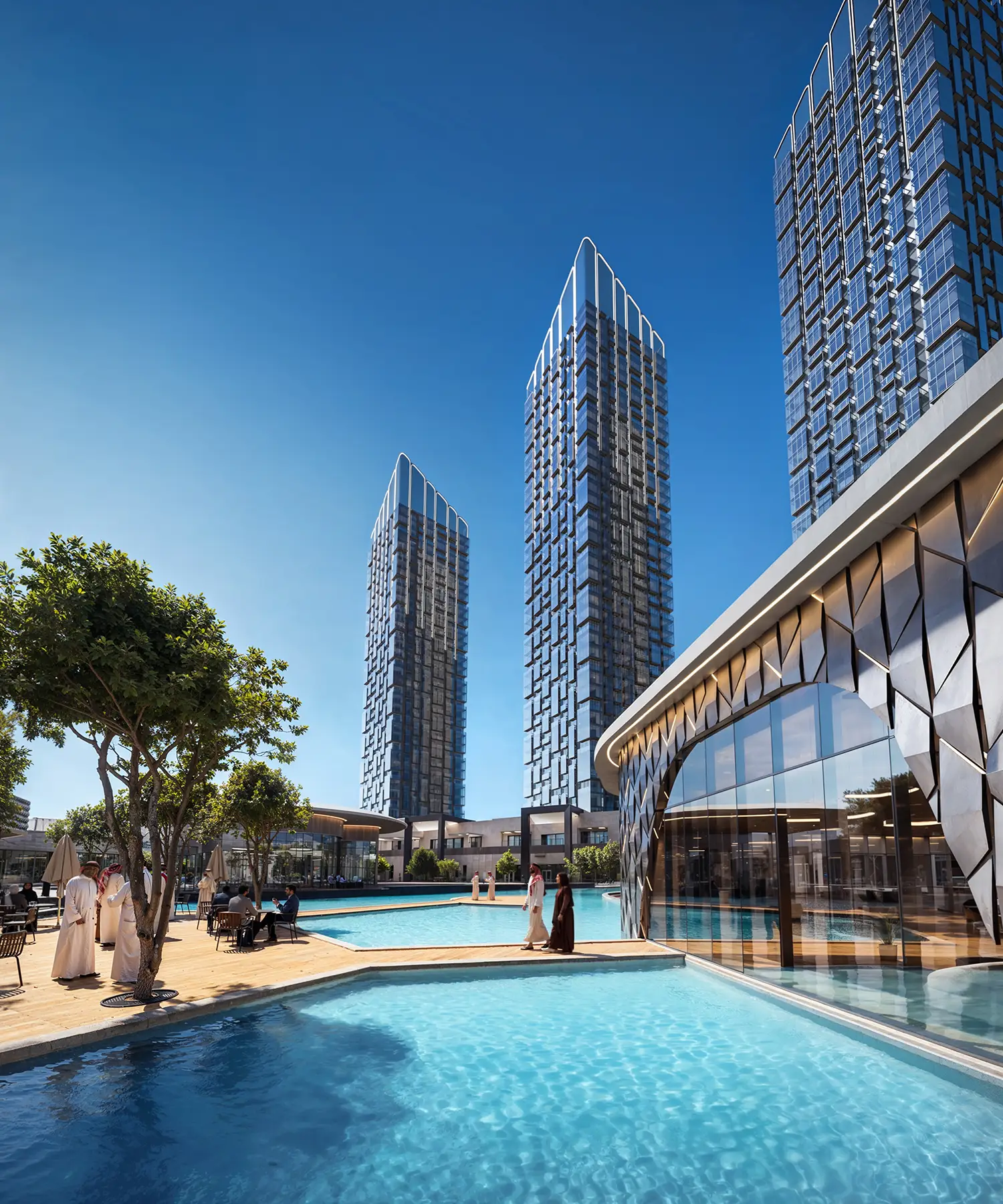
Saudi Arabia’s Vision 2030 is actively reshaping the Kingdom’s urban and economic landscape. Decisions about giga-projects, new districts, and cultural destinations now demand more than policy documents and masterplans – they require convincing visual evidence. From NEOM’s experimental urban fabric to the heritage streets of Diriyah, every major step depends on imagery that can align design intent with cultural context and national policy.
Within the Vision 2030 KSA framework, architectural visualization has effectively become the language of transformation. It translates abstract strategies into a tangible future that investors, ministries, and Saudi citizens can all “read” simultaneously, showing how ambitions for diversification, livability, and identity might look and function in real space.
As economic development accelerates non-oil sectors, visual materials are increasingly treated as strategic assets in their own right. They make progress visible, link public and private investment to concrete design outcomes, and help build trust around long-term change.
This feature offers an overview of how rethinking communication between design and governance has become a key instrument of confidence, funding, and national identity in the Middle East and why world-class visualization now sits at the center of that shift.
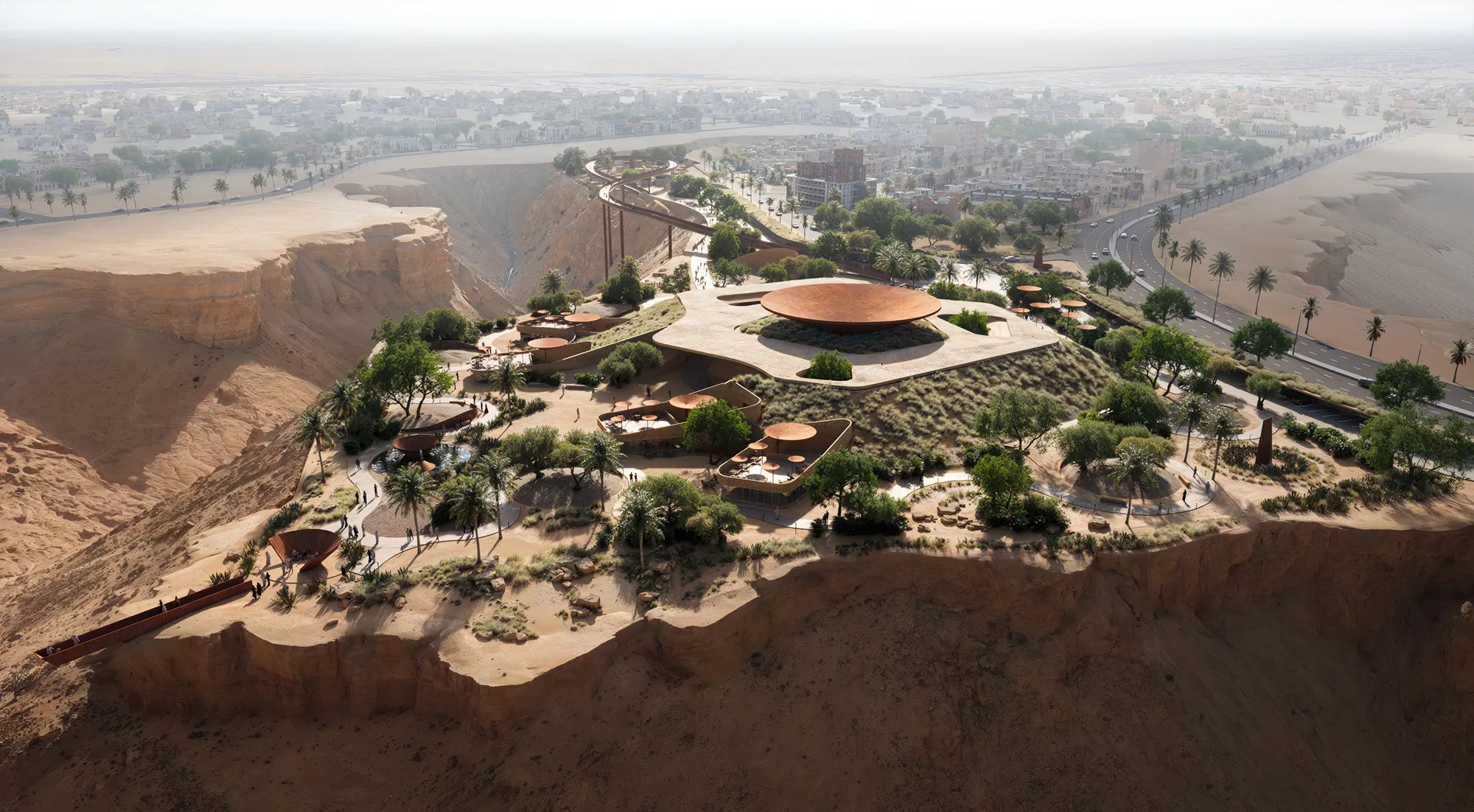
The Three Pillars Of Saudi Vision 2030 For Principal Architects — From Stakeholder Buy-In To Compliance
When Crown Prince Mohammed bin Salman introduced Saudi Vision 2030, he described it as a blueprint for how the Kingdom would reinvent itself — economically, socially, and culturally. Nearly a decade later, the plan has evolved into one of the world’s most ambitious design frameworks. From NEOM to Diriyah, Saudi Arabia has turned policy into place-making and national ambition into a new design vocabulary.
For architects and visualization specialists, Vision 2030 has become more than a political program. It’s a design brief for an entire nation — one that demands clarity, authenticity, and precise visual storytelling at every stage of development.
A Vibrant Society – Enhancing Quality Of Life Through Design With Culturally Accurate Visualization
The first pillar of the Vision 2030 Saudi agenda, A Vibrant Society, focuses on people—their cities, leisure, and daily life. It defines how Saudi citizens will live, gather, and explore. Projects in this domain extend from entertainment districts and sports arenas to religious and healthcare infrastructure.
Designers are tasked with creating spaces that honor tradition while supporting innovation. Visualization becomes the interpreter of that balance. Every photoreal image or animated walk-through bridges intention and experience, allowing communities to anticipate how reforms translate into comfort and identity.
Cultural precision defines credibility within the 2030 vision Saudi Arabia framework. A courtyard, a mosque entrance, or a shaded market lane all carry symbolic weight. Advanced rendering tools, such as 3D Home and Residential Rendering Services, enable teams to test these details early, ensuring local accuracy before construction begins.
Realistic visualization also supports long-term planning: it helps ministries validate accessibility, wellness, and family-oriented design goals that improve daily life. Each visual narrative becomes an act of cultural documentation and social engagement within Vision 2030 KSA.
A Thriving Economy – Fueling Growth Via Private Sector & Innovation With Fast-Track Approvals
The second pillar, A Thriving Economy, defines how Saudi Arabia intends to shift from oil dependency toward a diversified future. Its main aim is to build a dynamic, diversified economy powered by new industries, private investment, and a more agile labor market.
This change is already visible. Tech clusters, renewable energy hubs, logistics corridors, and new tourism zones are reshaping the country’s physical and economic map. Visualization has become a tool of speed and trust — helping developers secure faster reviews and attract investors through transparency.
3D Exterior Rendering Services make these projects easier to navigate for all parties involved, from ministries to contractors. Photorealistic visuals bring clarity to complex approvals, while digital twins allow stakeholders to see the future of each zone before ground is broken.
As women’s participation in the workforce grows and private sector investment rises, this visual language becomes essential for communicating transformation — from policy to public space.
An Ambitious Nation – Modernizing Governance And Public Services Through Transparent Visual Narratives
The third pillar, An Ambitious Nation, focuses on the structure of governance itself: accountability, digital services, and efficiency. Transparency has become a design value in its own right.
Government agencies are using 3D visualization and interactive dashboards to show progress on projects, clarify budgets, and engage the public. For design professionals, this creates new expectations: renderings and visual reports must align with BIM data and meet verification standards.
These visuals do more than decorate presentations — they support civic understanding. When the public can see how funds are used or how a new metro line connects to neighborhoods, confidence follows. The story of modernization, told visually, becomes part of the national trust.
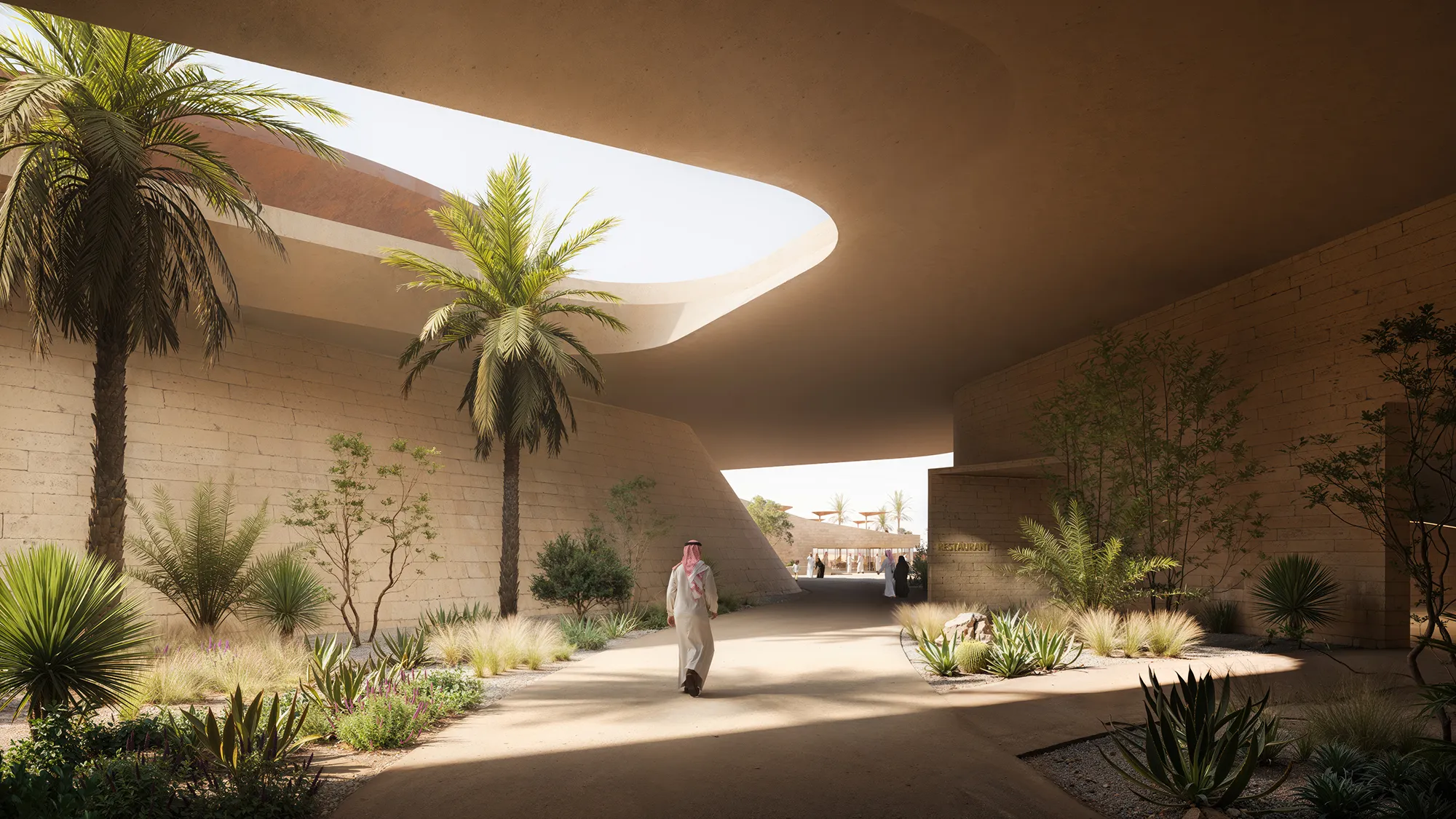
Giga Projects Driving Saudi Vision 2030 Forward — Where Design Directors Win With Verified Visuals
The most visible symbols of Vision 2030 are its giga projects: vast developments meant to redefine how the world sees Saudi Arabia. Each one is a test case in scale, storytelling, and precision.
For principal architects, these projects offer extraordinary opportunities — but also intense scrutiny. Visual content must meet both design and policy goals: accuracy, environmental sensitivity, and alignment with national branding.
NEOM And The Line – Redefining Urban Living In Vision 2030 KSA With Design Review–Ready Renders
Nowhere is the Kingdom’s ambition clearer than in NEOM and its centerpiece, The Line — a 170-kilometer linear city designed to operate entirely on renewable energy. The project demands visualization that merges science fiction with verified data.
Each render must account for microclimate, terrain, and energy modeling. Futuristic concepts become credible only when visuals reflect measurable reality. Collaboration with specialized studios like Tower Rendering for Visionary Developers ensures that ideas maintain accuracy through every iteration, from design competition to state review.
Qiddiya – Building The Entertainment Capital Of Saudi 2030 Vision With Immersive Pre-Sell Stories
Near Riyadh, Qiddiya is positioning itself as the entertainment heart of Saudi Arabia. Its theme parks, sports arenas, and cultural venues depend on early visualization not just for approvals, but for storytelling.
Immersive previews — detailed flythroughs, night scenes, and human-scale environments — allow investors and visitors to imagine the experience before construction begins. In this context, visualization becomes a sales tool, a planning resource, and a cultural statement all at once.
The Red Sea Project & Amaala – Luxury Tourism Under 2030 Vision Of Saudi Arabia With Environmentally Sensitive Visuals
On the western coast, The Red Sea Project and Amaala are redefining luxury tourism through sustainability and ecological care. Each development integrates regenerative design and conservation principles into its master plan.
Here, every visualization must be sensitive to the environment — coral reefs, dunes, and coastal ecosystems are part of the story. Teams that handle projects of this scale, such as those offering 3D Rendering Services in Dubai, understand how to portray opulence and restraint in the same frame.
These renders are not only marketing tools but also instruments of accountability, showing global audiences how development can align with environmental ethics.
Diriyah Gate – Reviving Heritage In Saudi Arabia 2030 Vision With Preservation-First Rendering
Diriyah Gate, the birthplace of the Saudi state, is being reborn as a cultural district rooted in history. Its masterplan revolves around authenticity, preserving the identity of Najdi architecture while adapting it for contemporary life.
For architects, this requires a careful visual approach. Preservation-first renderings show restoration methods, materials, and construction techniques that honor the site’s legacy. It’s about continuity, not contrast. Each image becomes a visual record of how heritage is protected while being reinterpreted.
Riyadh Art – Turning The Capital Into An Open-Air Gallery Per Vision 2030 Saudi Arabia With Collaborative 3D Mockups
The Riyadh Art initiative aims to turn the capital into one of the world’s largest public art galleries. For designers and planners, this means coordinating artists, city engineers, and cultural authorities through visual mockups that evolve in real time.
Collaborative workflows, often managed through Outsource 3D Architectural Rendering, allow multiple disciplines to interact on one digital platform. The result is a more agile, creative process where visuals guide collaboration rather than simply documenting it.
Submission Standards For Vision 2030 KSA — Verified Photomontages, Sun/Shadow Studies, And Interactive 3D Tours
Under Vision 2030 Saudi Arabia, municipalities across the Middle East are raising technical standards for planning submissions. Developers are now required to provide verified photomontages, comprehensive sun and shadow studies, and fully interactive 3D walk-throughs as part of the approval process. For projects located near water bodies, visual documentation must also demonstrate environmental compliance, including accurate representation of coastal buffers, water protection zones, and potential ecological impacts.
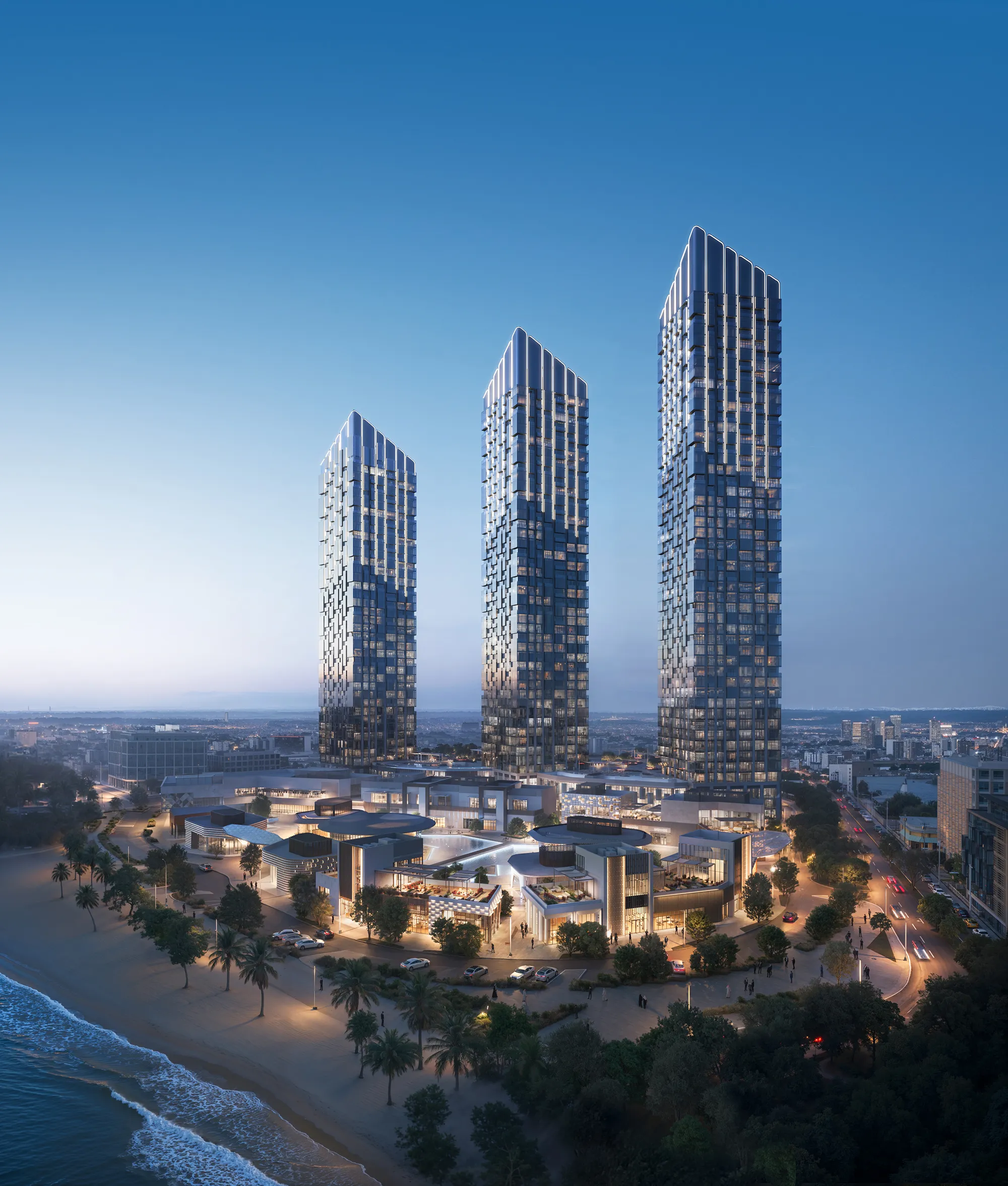
Key Achievements And Reforms Under Saudi Arabia 2030 Vision — Proof Points For Budget And Pipeline
Vision 2030 has already changed Saudi Arabia’s economic profile. Non-oil GDP is growing, private investment is expanding, and the tourism sector has exceeded its first major targets.
For architects and visualization firms, this progress signals opportunity: more tenders, more masterplans, and a growing need for storytelling that translates policy into design.
Economic Diversification Beyond Oil – A Core Goal Of KSA Vision 2030 That Expands Architecture Pipelines
New investment zones and logistics corridors show how far economic diversification has come. These projects require clear visuals for investors and tenants, illustrating scale, connectivity, and returns.
Studies like Real Estate Developers in the MENA Region highlight how cross-border collaboration in design and visualization supports regional growth, especially as Saudi projects attract international participation.
Surging Tourism – Exceeding Targets In 2030 Saudi Vision And Accelerating Hospitality Visuals
By 2024, Saudi Arabia welcomed more than 100 million visitors, ahead of schedule. The next milestone is 150 million by 2030. Hotels, resorts, and cultural venues are expanding rapidly, creating demand for hospitality visualization that captures experience and atmosphere.
Developers are turning to Top 3D Architectural Rendering Companies for cinematic imagery that evokes emotion while meeting technical precision. The hospitality boom has become both an architectural and a storytelling challenge, where visuals must also clearly communicate a project’s ability to handle high traffic safely, crowd flows, and access during peak periods such as Hajj and Umrah.
Women’s Empowerment – Social Reform In Saudi Vision 2030 Reflected In Inclusive Design
Women’s participation in the workforce has reached new highs, influencing the design of public spaces and workplaces. Visualization now plays a part in this social evolution, depicting inclusive and accessible environments that represent the full spectrum of Saudi life.
Design teams use diverse visual characters, family-oriented spaces, and open mobility networks to reflect real social dynamics rather than idealized concepts.
New Industries – Gaming, Esports, And Tech In Vision 2030 Kingdom Of Saudi Arabia Need Campus-Scale Visualization
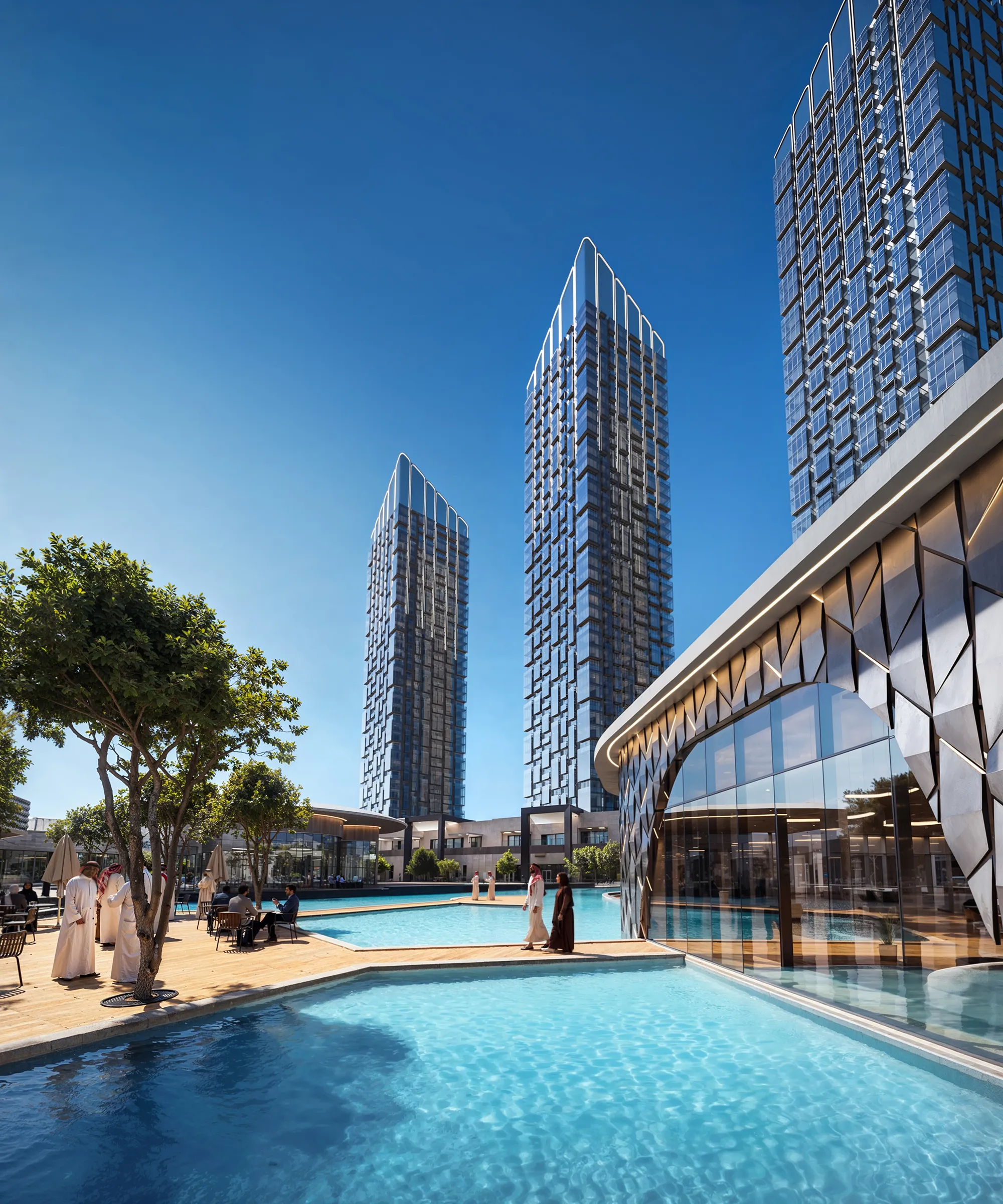
The Kingdom’s growing focus on technology, gaming, and digital culture has created new types of architecture: eSports arenas, data campuses, and innovation clusters.
These projects require visualization that blends architecture and branding — the identity of a new Saudi tech economy. 3D Exterior Rendering Services help design teams translate these ideas into compelling visuals for both investors and global partners.
Digital Transformation – A Cross-Cutting Enabler Of Saudi Arabia Vision 2030 For BIM-Ready Visual Workflows
The digital side of Vision 2030, driven by the Saudi Data and Artificial Intelligence Authority (SDAIA), is connecting design data to visualization pipelines. BIM-linked renderings, augmented reality previews, and live dashboards are now part of how ministries and developers communicate progress.
Firms that Outsource 3D Architectural Rendering gain flexibility in meeting these timelines, while maintaining the consistency required for multi-agency collaboration.
How 3D Rendering Communicates Vision 2030’s Complex Plans For Multi-Stakeholder Alignment
Giga-projects involve hundreds of stakeholders — from engineers to financiers. Photorealistic visuals serve as a universal language, turning technical plans into shared understanding. In a country balancing heritage and innovation, that clarity is invaluable.
Procurement Windows And Funding Cycles — When Principal Architects Should Pitch Visualization Packages
For design firms, timing is everything. Vision 2030’s funding follows structured cycles, and successful visualization pitches align with those windows.
Packages that include concept renders, verified site studies, and short films tied to RFP milestones often move faster through approval and attract better visibility within the Vision Realization Programs.
Challenges And Realities Of Vision 2030 Saudi Arabia — What Your Design Team Must Navigate
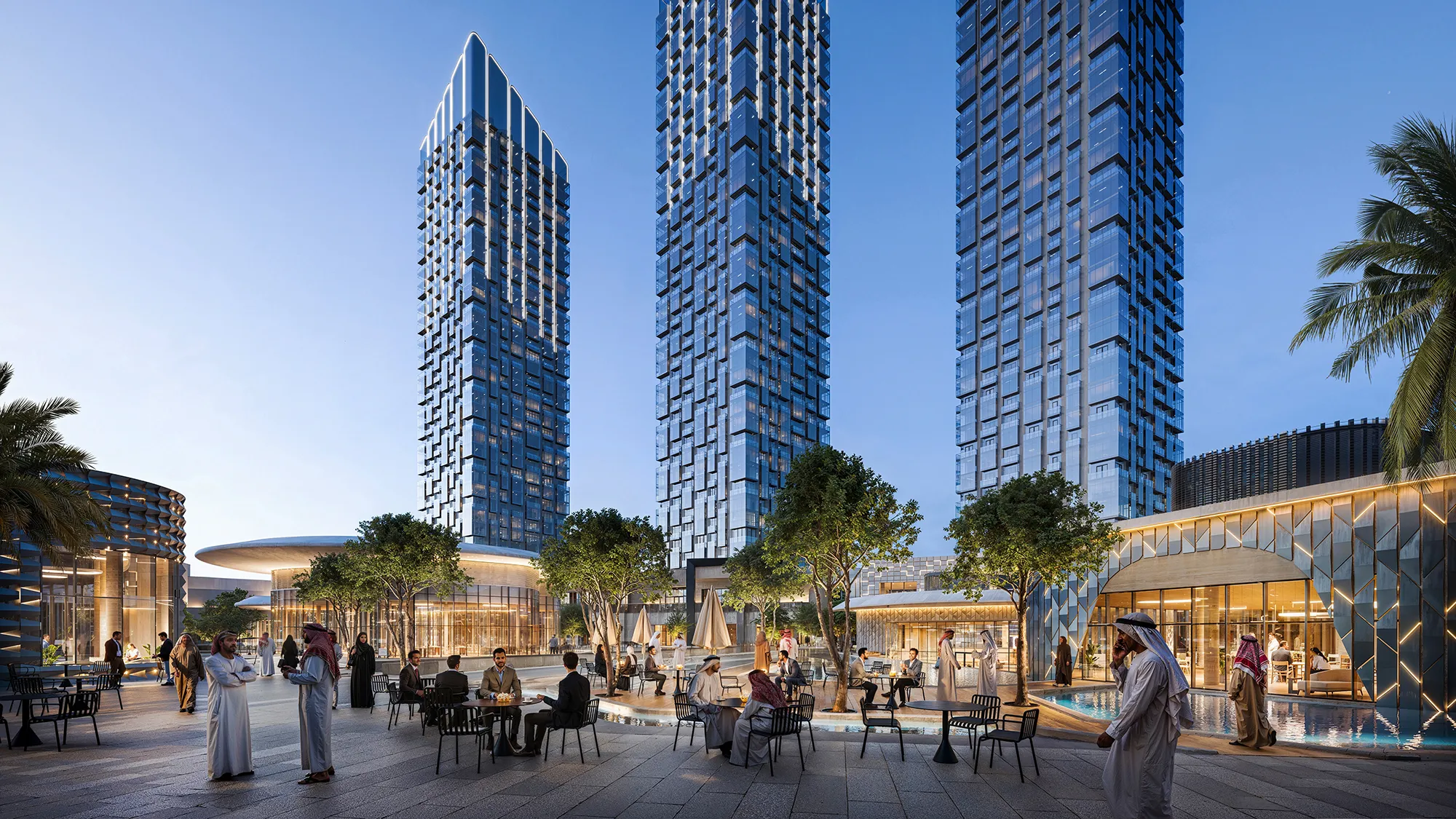
The progress of Vision 2030 is undeniable, but the path forward remains complex. Behind each announcement lies the challenge of scale, cost, and cultural balance. For architects and visualizers, understanding those realities is part of professional responsibility.
Oil Dependence Vs. Economic Objectives Of 2030 Vision Saudi Arabia — Building Credible ROI Cases With Visuals
While oil remains the financial backbone of Saudi Arabia’s economy, Vision 2030 is steadily reshaping national priorities toward non-oil growth — most notably through tourism, including the vast religious travel sector centered around Mecca and Madina. The Kingdom recently surpassed the 100-million-visitor milestone, and landmark projects such as the King Salman Gate in Mecca illustrate how pilgrimage infrastructure is being reframed as both a cultural and economic catalyst.
In this context, visual storytelling must go beyond impressive skylines and façades to clearly communicate the economic logic of transformation, showcasing energy efficiency, expected returns, local business activation, and long-term social value. Investors respond to narratives grounded in measurable impact, where architectural vision aligns directly with the tangible objectives of Vision 2030 rather than abstract aesthetics.
Human Rights And Labor Concerns – Navigating Ethical Dimensions With Responsible Storytelling
Large-scale projects inevitably raise questions about labor and land use. Visual storytelling can help address them by showing safe, human-centered environments and community integration. Ethical imagery builds credibility, both locally and internationally. For example, NEOM’s Design and Construction sector explicitly foregrounds long-term environmental sustainability and worker welfare in its public materials, demonstrating how project communications can place safety and livability for workers and residents at the very center of the narrative.
Feasibility And Costs – Assessing The Long-Term Viability Of Giga Projects With Phased Visualizations
Many of the giga-projects extend beyond 2030. Visualization must evolve with them — tracking phases, milestones, and funding shifts. Phased renders and interactive dashboards make progress transparent and maintain stakeholder confidence.
“Sportswashing” And Global Perception – The Role Of Authentic Storytelling Over PR Gloss
Saudi Arabia’s rise as a global event host brings scrutiny. Architecture and visualization play a role in shaping perception. Authentic imagery — real light, real context, real people — builds a more honest narrative than polished marketing. The goal is not image-making, but truth-telling through design.
Risk Management Checklist — Visual Accuracy, Disclaimers, And Cultural Compliance For Vision 2030 KSA
To stay compliant and credible, design directors working on Vision 2030 should follow a clear checklist:
- Use verified survey data for all renders.
- Add visible disclaimers on conceptual or future-state visuals.
- Ensure cultural and religious sensitivity in imagery.
- Include sun and shadow studies for accuracy.
- Sync every render with BIM and project schedules.
- Keep version control transparent for all stakeholders.
Attention to these details protects both creative integrity and client trust.
All images © CYLIND
