In the United Arab Emirates, the future feels designed rather than accidental. Architecture, landscape, infrastructure, and technology develop under a shared national ambition that reaches far beyond conventional urban growth. This ambition is articulated in the UAE Vision 2030, a comprehensive roadmap that guides the Emirates toward sustainable development, digital leadership, and global cultural relevance.
Every new design proposal, from a carefully orchestrated coastal masterplan in Abu Dhabi to a skyline-defining tower in Dubai, now emerges within this framework. In this context, a well-crafted render illustrates architecture, demonstrates alignment with national priorities, offers reassurance to regulators, clarifies economic potential, and helps investors envision how a project will fit into the future city.
This convergence of architecture, strategy and visualization defines the contemporary UAE design landscape. To understand how this landscape functions, it is helpful to start from the core of UAE Vision 2030.
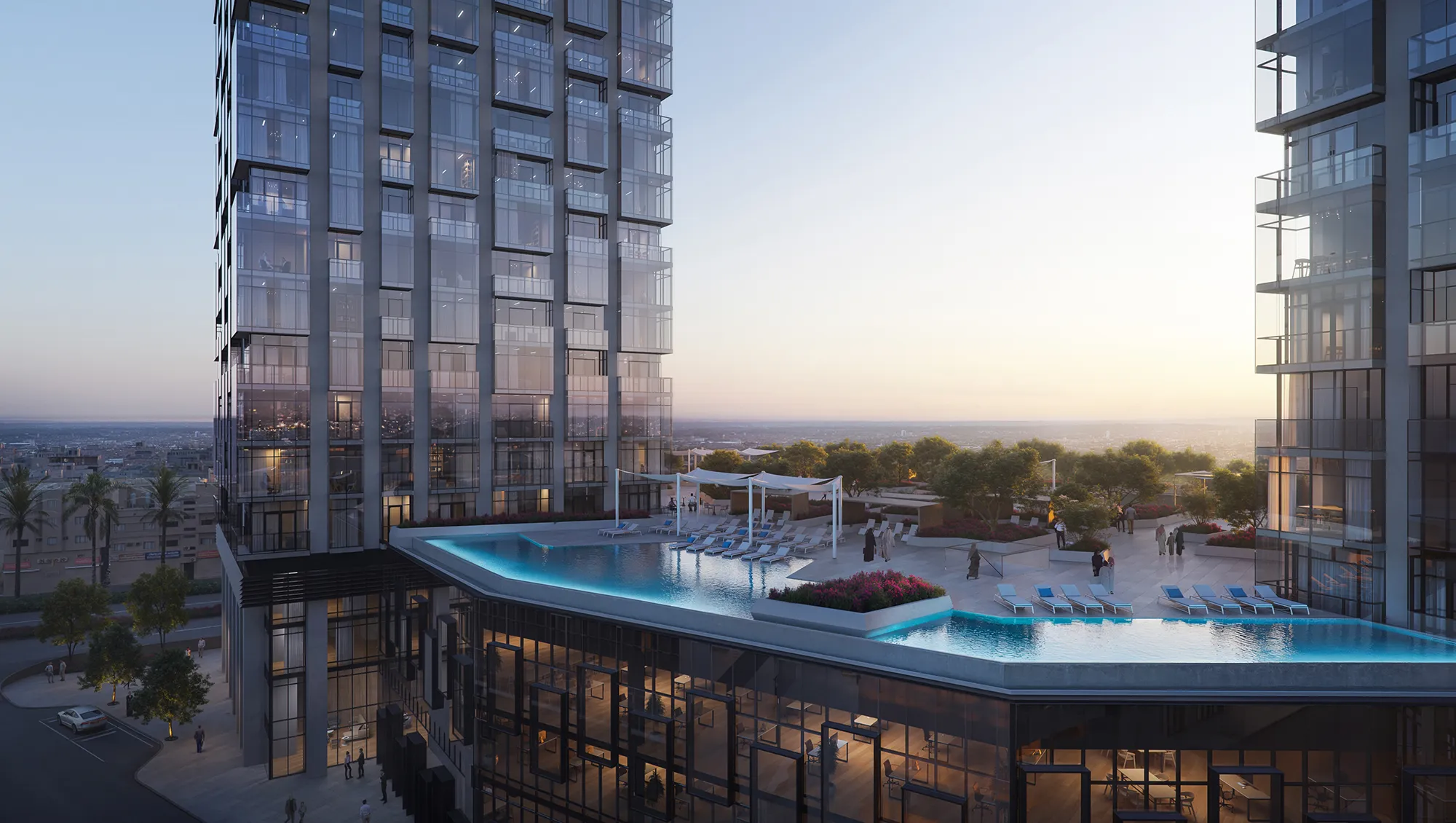
Core Vision of UAE Vision 2030
The essence of the UAE Vision 2030 rests on a clear and deliberate idea: the future of a country can be shaped through design, and cities can act as engines of innovation, sustainability, and cultural meaning. Government strategies such as u.ae, the Net Zero 2050 Strategic Initiative, and the smart-city programs led by Digital Dubai present a nation preparing carefully for global shifts in technology, climate and economy.
UAE Vision 2030 Economic Goals: Diversifying Beyond Oil
The shift away from oil dependency is transforming the architectural landscape across Abu Dhabi, Dubai and the broader Arab Emirates.
Economic diversification, which stands at the center of UAE Vision 2030 economic goals, requires a new generation of financial districts, research campuses, healthcare centers, cultural hubs and innovation zones. These projects form the physical framework for the knowledge-based economy that the UAE is building. Visualization plays a vital role in this evolution. Investors and stakeholders rely on these visual narratives alongside financial and technical data. Choosing partners from among Top 3D Architectural Rendering Companies and working with regionally experienced studios becomes a strategic decision that supports this economic transformation.
The economic layer of the Vision aligns closely with its environmental commitments.
Sustainable Development in UAE 2030 Vision
Sustainability forms a structural backbone of the UAE 2030 vision.
The UAE invests in renewable energy, circular material flows and climate-adapted design. Projects such as the Rashid Al Maktoum Solar Park and broader UAE energy diversification programs show how energy strategy and urban form evolve together.
Architectural visualization helps convey sustainability in a way that is both accessible and technically grounded. Shadow studies illustrate passive cooling strategies, façades express energy-efficient envelopes, water-sensitive landscapes and solar-ready roofs appear clearly in imagery. For municipal teams, these renderings provide an immediate impression of environmental performance and connect directly with national targets such as the energy strategy 2050 and the long-term energy mix goals.
This environmental layer of Vision 2030 fits naturally together with its technological ambitions.
Technological Innovation in UAE National Vision 2030
The United Arab Emirates integrates artificial intelligence, blockchain governance, automation and digital transformation into multiple aspects of its development.
Smart transport hubs, mixed-use districts powered by real-time data and adaptive public spaces form essential components of the UAE national vision 2030.
High-end CGI produced through 3D Rendering Services in Dubai allows regulators, developers and investors to understand these elements as a coherent whole. Visuals give a clear sense of how future-ready infrastructure and architecture work together.
This technological ambition is closely linked with the Vision’s emphasis on human capital.
Human Capital for a Knowledge-Based UAE 2030
Vision 2030 places people at the center of national development.
Education, research, healthcare and culture define the long-term success of the United Arab Emirates.
Architectural visualization plays a supporting role by shaping how future learning and innovation spaces are perceived.
From research campuses in Abu Dhabi to creative districts in Sharjah, renders can express:
- flexible learning environments for new teaching models
- integrated digital tools and AI labs
- landscapes that encourage wellbeing and social interaction
These visualizations illustrate how architecture supports human potential and align with the UAE’s aspiration to act as a global leader in knowledge-based industries.
This global positioning informs how the country appears to the rest of the world.
Global Leadership via UAE Government Vision 2030
The UAE government vision 2030 presents the Emirates as a global hub for culture, trade, innovation and sustainability.
Architecture functions as a visible statement of this ambition and as a platform for interaction with international partners.
Visualization carries this message through elegant, detailed and context-aware imagery. Immersive tours, high-fidelity renders allow investors and institutional partners to experience projects well before construction. Services such as 3D Aerial View Rendering Services present developments within their real urban context, showing how new structures relate to skyline, infrastructure and landscape.
The same leadership perspective shapes the domestic experience, especially in terms of livability.
Enhancing Quality of Life in 2030 UAE Vision
Quality of life sits at the central part of the 2030 UAE vision. Public spaces, parks, waterfront promenades, cultural venues, healthcare facilities, and walkable districts form the everyday landscape for residents.
Visualization translates these ambitions into atmospheric, human-centered scenes.
A warm evening in a waterfront park in Dubai, shaded paths through Abu Dhabi’s mangrove districts, a quiet wellness center overlooking water — these images help both regulators and the public understand the emotional and practical value embedded in new developments.
Marketing and sales teams build on this visual foundation to present coherent value propositions in a competitive environment shaped by sophisticated Dubai Real Estate Marketing strategies and digital campaigns.
Rising expectations around quality of life encourage higher standards for project approvals and risk management, which directs attention toward the key policy initiatives that sit underneath Vision 2030.
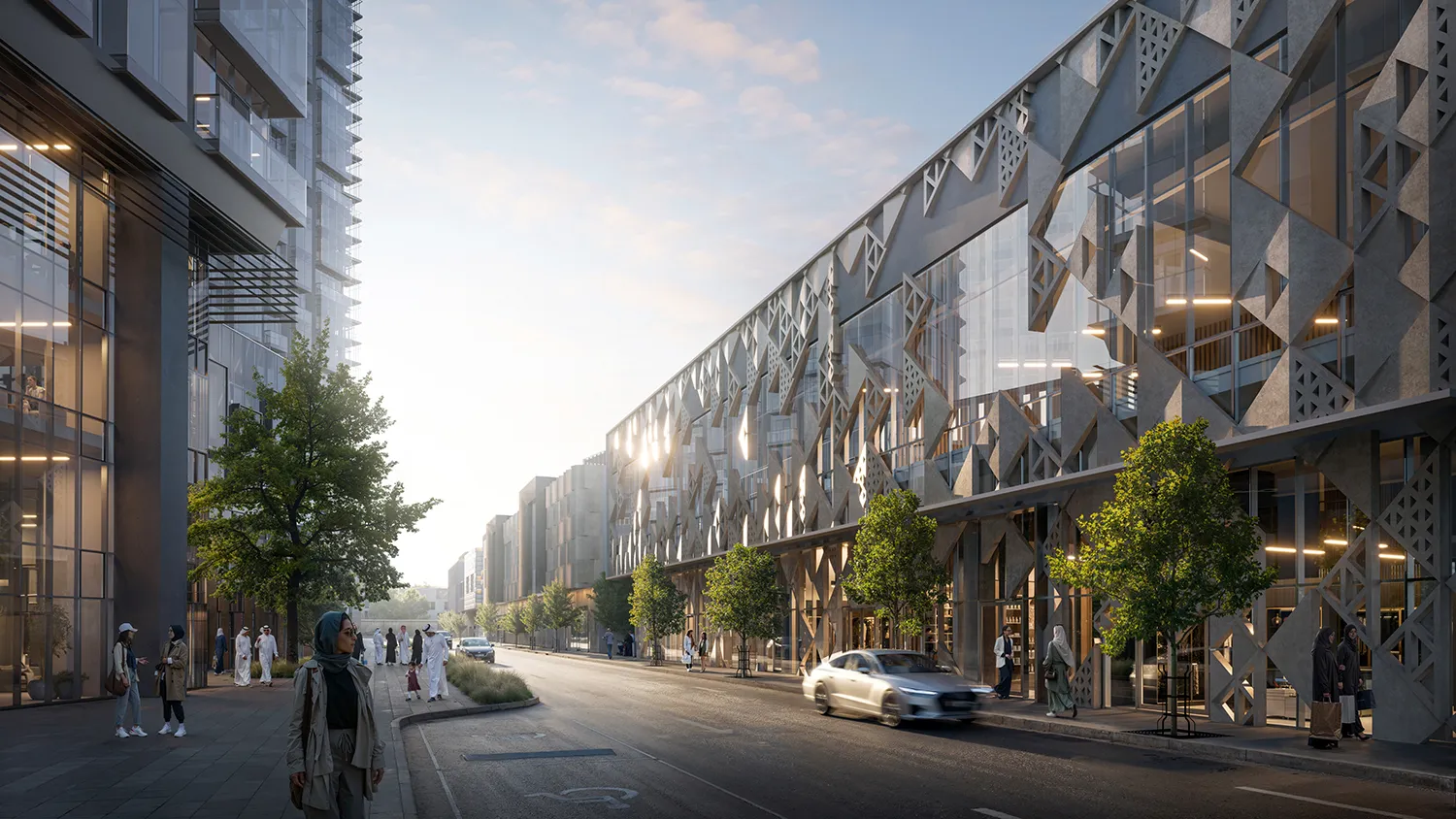
Key Initiatives Driving UAE 2030 Vision for Faster Approvals & Lower Rework
As Vision 2030 becomes a day-to-day reference for planning and regulation, expectations for architectural presentation evolve.
Regulatory bodies across Abu Dhabi, Dubai and the northern emirates require clear communication of shading, materials, reflectivity, sustainability measures and integration into existing urban fabric.
Visualization contributes to this clarity and reduces the probability of late-stage design changes.
Abu Dhabi’s and Dubai’s long-term strategies, including Abu Dhabi Economic Vision 2030, Environment Vision 2030 and Dubai Industrial Strategy 2030, provide a framework for both performance and communication. High-quality imagery and animation bring these standards into focus for planners, design teams and investors alike.
Abu Dhabi Economic Vision 2030: A Global Economic Hub
Abu Dhabi’s development path emphasizes high-performance commercial districts, cultural institutions and civic landmarks.
In this environment, visualization shows how individual projects contribute to the emirate’s economic goals and urban character. Complex mixed-use developments often depend on Commercial Architectural 3D Rendering Services to coordinate programmatic variety and phasing while maintaining visual consistency.
Environment Vision 2030: Abu Dhabi’s Sustainable Future
Environment Vision 2030 places environmental performance at the heart of Abu Dhabi’s urban strategy. Material selection, landscape design and water management follow this direction.
Visual narratives portray buildings and districts that respond thoughtfully to the climate: deeply recessed façades, shaded courtyards, high-performance glazing, native planting and carefully designed microclimates. When these features appear in renders, design council discussions become more grounded and focused. The imagery speaks directly to the underlying strategy.
Dubai Industrial Strategy 2030: Innovation and Knowledge-Based Growth
Dubai’s industrial architecture increasingly reflects innovation, precision and advanced technology. Visualization shapes the image of logistics hubs, R&D campuses and specialized production clusters. These visuals can become a masterpiece and bring a visible result, if they are made by studios featured among Top 3D Architectural Rendering Companies.
Scenes frequently highlight efficient circulation, rational layouts and a refined industrial aesthetic that aligns with Dubai’s broader positioning as a future-focused city.
UAE Green Agenda 2030: Sustainable United Arab Emirates
The Green Agenda informs decisions surrounding materials, public realm strategies, energy systems and water cycles. Visualization arranges these elements into a coherent environmental narrative. Rendered scenes show permeable surfaces, PV-ready roofs, water-efficient landscapes and shaded pedestrian networks, helping stakeholders understand how a project addresses climate change and how sustainability is expressed in practice.
The energy strategy 2050 sets a new balance between traditional and renewable sources in the UAE’s energy mix, with a strong emphasis on energy efficiency as a core performance target. Architectural projects that depict solar fields, rooftop photovoltaics, cooling façades and efficient building systems within their visualization demonstrate a clear response to this agenda. These visuals help planning authorities and investors see that a project is designed with long-term resilience in mind and that it aligns with national climate and energy policies.
UAE Centennial 2071: Long-Term Global Leadership
UAE Centennial 2071 extends the country’s perspective across generations. Visualization can bridge this long horizon by depicting cultural, educational and urban environments designed for future citizens. Carefully crafted imagery makes long-range scenarios accessible in current exchanges between planners, investors and communities.
Together, these frameworks form a high-level benchmark. The next step for PD teams is to translate that benchmark into a practical visualization playbook.
Architectural Visualization in UAE Vision 2030: From Benchmark to PD Playbook
In the UAE, architectural visualization functions as a shared language between planners, architects, developers, regulators and investors. Design directors rely on CGI to coordinate teams, maintain consistency across multiple projects and manage workloads in fast-moving development cycles.
Specialist partners in 3D Rendering Services in Dubai, high-rise imagery and contextual massing help convert Vision 2030 principles into project-level visual standards. This structured approach strengthens both compliance and communication.
Visualizing Smart Cities
Smart-city programs in Dubai and Abu Dhabi require a visual language capable of expressing complex systems clearly. Renders that depict autonomous mobility routes, integrated transit networks, responsive public lighting and AI-coordinated infrastructure allow non-technical stakeholders to understand urban systems as lived environments.
These visuals often become key reference tools for coordination between planning departments, utilities and private partners.
Supporting Renewable Energy Projects
The UAE’s renewable energy ambitions gain architectural presence through visualization. Solar-ready roofs, PV façades, hybrid microgrids and landscape-integrated energy systems appear as natural components of a project when rendered with care. In many presubmission meetings, a focused set of images showing how a scheme works with UAE energy and Net Zero policies significantly improves stakeholder confidence.
Enhancing Real Estate Development
In luxury and upper-tier real estate, visualization forms the emotional core of presales. Developers rely on imagery to communicate lifestyle as much as typology: the glow of a lobby at dusk, the movement of sunlight across a penthouse interior, the quiet of a landscaped courtyard with layered views of the city.
For teams studying the regional landscape, resources such as Top Real Estate Developers in the MENA Region and analyses of 3D Rendering Services in Dubai provide context on how leading players pair strong design with strong visualization to enhance the way projects are positioned and understood in the market.
In the high-rise segment, many landmark schemes also rely on specialized High-rise Building Rendering Services to convey scale, skyline impact and structural elegance accurately.
Streamlining Project Approvals
Municipal teams respond more predictably when project visuals offer immediate clarity. Images that communicate shading strategy, context, circulation and material behavior reduce ambiguity and help maintain project schedules. As a result, CGI now appears as an integral step in many internal development workflows rather than a late-stage marketing asset.
Reducing Rework With Early Visual Alignment
Early-stage visualization aligns architects, developers, regulators and investors around a shared representation of the project. When exterior and interior renders, floor plans, 3D models and short animations are produced in the early phases, they act as a common reference point, limiting the risk of later corrections and misunderstandings.
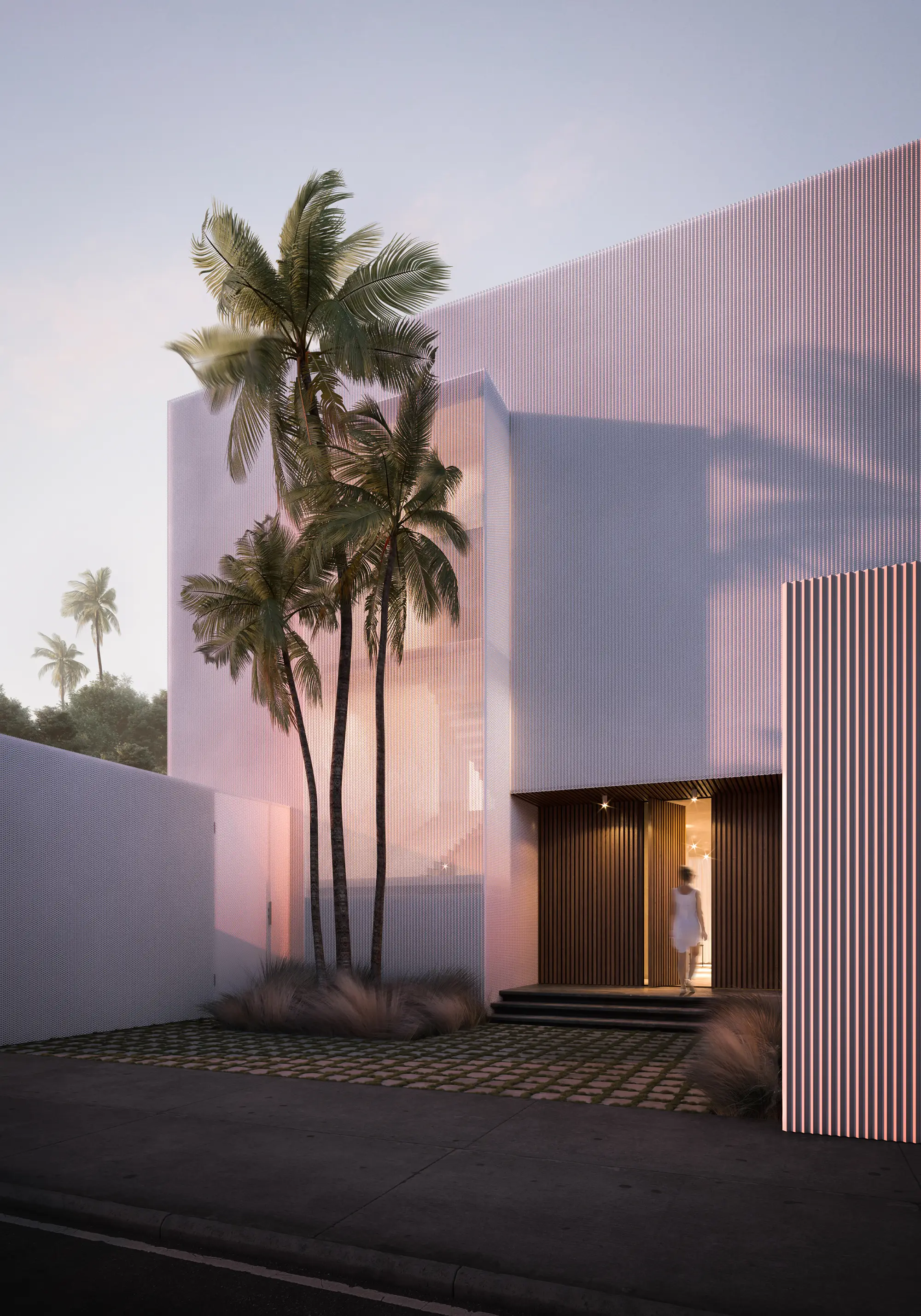
The Future of UAE’s Built Environment: A PD-Centric, ROI-Driven Lens
The coming decade in the United Arab Emirates points toward a built environment characterized by resilience, intelligence and human comfort. Cities continue to integrate renewable energy, public spaces focus on wellbeing and social connection, and architectural design reflects both regional identity and global innovation.
Visualization ties these ambitions together. It translates complex strategies into clear, immersive experiences and supports PD teams, design directors and CGI leaders in delivering projects that belong inside the UAE Vision 2030 narrative. Partnerships in high-end rendering — from large commercial schemes to contextual aerials and high-rise icons — become part of the core development strategy.
All images © CYLIND
