International forecasts from leading independent research organizations, including PwC, indicate sustained investment activity in U.S. real estate through 2025 and 2026, with continued momentum concentrated in high-growth markets such as Texas. At the same time, these reports point to rising capital costs, tighter underwriting standards, and increased scrutiny from investors, municipalities, and brand partners. As a result, critical project decisions are increasingly being made earlier in the development process, when uncertainty can be addressed before it becomes costly. This shift explains why developers and architects now rely on 3D rendering in Texas at the beginning of a project rather than at the end, using it to evaluate concepts, align stakeholders, and reduce downstream risk.
From concept to pre-leasing, this article shows how 3D rendering guides decision-making at every stage of development in Texas.
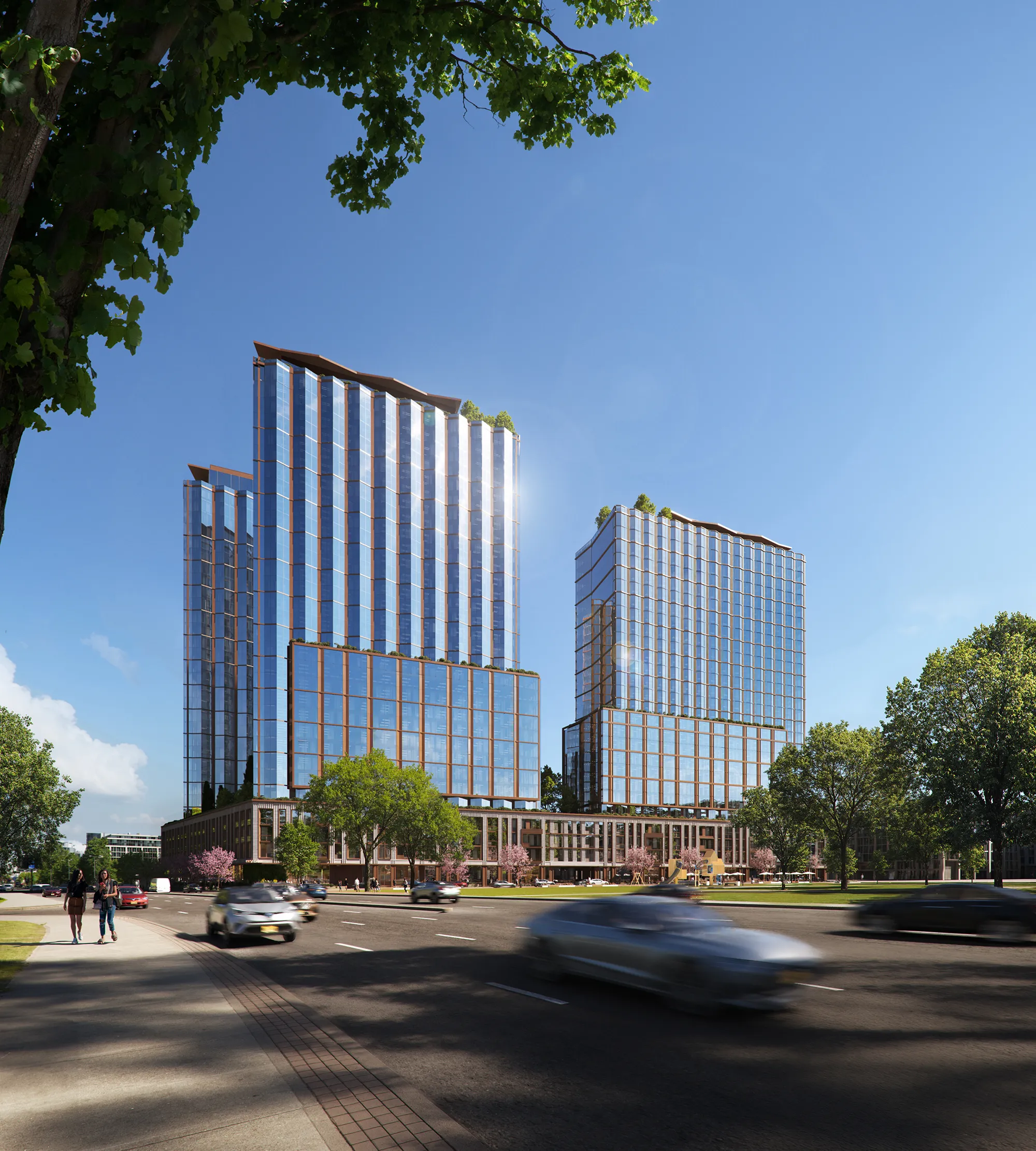
Why CDO Teams Use 3D Visualization Services in Texas to Reduce Rework
In large-scale development programs, rework is typically introduced during decision-making, not execution. When design intent, spatial relationships, and constructability are reviewed in abstract form, differences in interpretation persist until they intersect with permitting, procurement, or construction.
Texas development environments increase this exposure. Accelerated schedules, overlapping approval processes, and early procurement decisions reduce the margin for late correction. Once design assumptions move into contracts or regulatory review, adjustments carry disproportionate cost and schedule impact.
High-quality 3D rendering services Texas enable earlier resolution of these issues by converting design intent into explicit, reviewable conditions. For CDO teams, its value lies in reducing interpretive risk before commitments are fixed, not in presentation. This is especially relevant in the state's largest metro — see how teams apply these principles in practice in our overview of Houston 3D rendering.
The Growing Demand for Architectural Visualization in Texas Hospitality and Retail
Hospitality and retail development continue to expand across Texas, driven by sustained investor interest. As pipelines grow, so does the need for architectural visualization that clearly communicates massing, branding, site context, and guest experience.
Developers increasingly rely on 3D visualization services providers to review design intent early, well before capital is locked into construction documents. This early clarity supports feasibility analysis and reduces downstream risk.
Key Advantages Over Traditional Presentation Methods for Faster Stakeholder Alignment
While drawings and technical documents remain essential, they are often insufficient for executive and non-technical stakeholders. 3D rendering service in Texas workflows bridge this gap by translating architectural intent into visuals that can be evaluated quickly.
Compared to traditional methods, the 3D renders Texas teams use provide:
- Faster alignment between ownership, brand, and consultants
- Clear visualization of scale, materials, and spatial relationships
- Fewer interpretation gaps during reviews
Reducing Rework and Change Orders Under Tight Capex
With construction costs continuing to rise, late-stage changes represent a significant financial risk. Late-stage changes are costly, and 3D visualization services Texas, including product rendering, help teams identify design issues early. Product rendering allows stakeholders to see materials, finishes, and details realistically, making it easier to spot potential problems in façades, site access, or interior layouts before construction begins.
By resolving questions visually before permitting and procurement, teams reduce the likelihood of costly revisions later in the process.
How High-Quality 3D Renders Accelerate Project Approvals and Pre-Leasing
Municipal reviewers, investors, and leasing teams respond more effectively to visuals they can immediately understand. High-quality 3D architectural rendering supports:
- Faster internal and external approvals
- Clearer communication during public and planning reviews
- Earlier pre-leasing and marketing activity
In competitive Texas markets, Photorealistic Architectural Rendering directly impacts time to market.
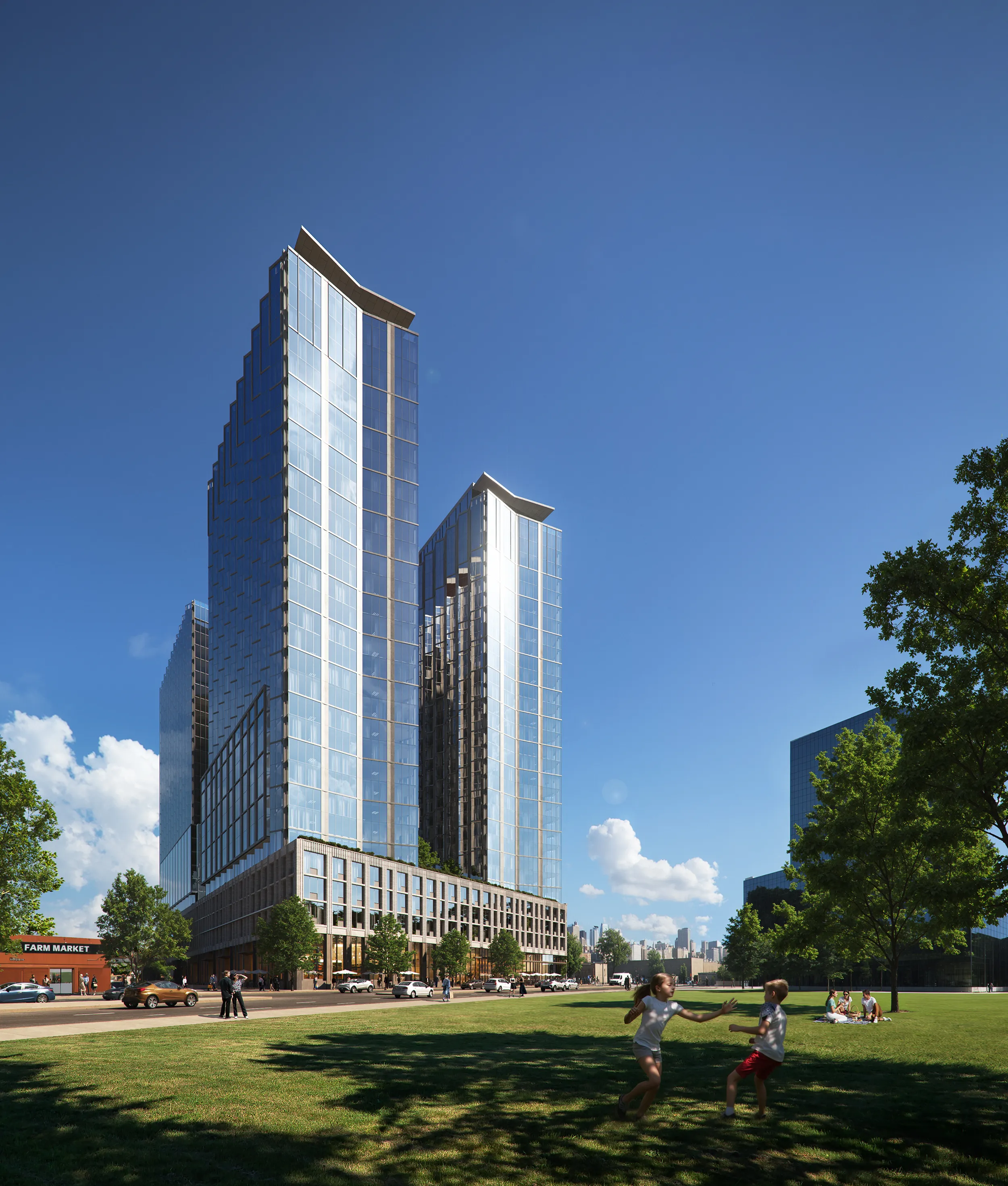
Core 3D Rendering Services in Texas for Faster Permits and Pre-Leasing
Effective visualization strategies align specific services with key decision points across the development lifecycle.
Photorealistic 3D Exterior Rendering for Hotels, Retail, and Mixed-Use in Texas
3D Exterior Rendering Services are central to permitting, planning reviews, and stakeholder evaluations. Photorealistic 3D exterior rendering clearly communicates building massing, materiality, lighting conditions, and surrounding context, helping reviewers understand the project intent without relying solely on technical drawings.
For large-scale developments, teams frequently use Tower Rendering to illustrate height, skyline impact, and urban integration. These visuals support planning submissions and reduce clarification requests during review cycles.
Detailed 3D Interior Rendering for Brand Standards and FF&E Sign-Off
FF&E and interior decisions are often approved with limited visibility into how materials, lighting, and layouts will perform together in a finished space. Specifications and schedules describe components in isolation, which makes it difficult for brand teams and operators to assess compliance, usability, and consistency before procurement.
For hospitality and multi-location portfolios, this creates risk. Misalignment discovered after orders are placed leads to reselects, delayed deliveries, and inconsistencies that are expensive to correct and difficult to justify once manufacturing or installation is underway.
Detailed 3D interior rendering addresses this gap by presenting FF&E, finishes, lighting, and spatial relationships as a single, reviewable condition. It gives brand and design teams a practical basis for sign-off, reducing late changes and improving consistency across locations before procurement decisions are locked.
Advanced Options: 3D Animation, Immersive 3D Virtual Tours, and Floor Plans
Beyond still imagery, many development teams leverage advanced visualization tools to support both decision-making and marketing.
- 3D animation clarifies how a project actually works. It communicates circulation, phasing, and spatial flow in a way that drawings cannot, helping stakeholders understand movement, sequencing, and program relationships before construction begins.
- Virtual reality and immersive walkthroughs turn reviews into a real experience rather than an interpretation. Stakeholders can assess scale, visibility, adjacencies, and comfort early, reducing subjective debate and late-stage revisions.
- 3D Floor Plan Rendering provide immediate clarity for leasing, sales, and operations. They make layouts easy to explain, support pre-leasing and pre-sales efforts, and allow operators to validate functionality and back-of-house logic well ahead of build-out.
Integrating 3D Modelling with BIM and GC Workflows
Accurate 3D modeling is essential for cross-disciplinary coordination. By aligning visualization models with architectural and construction documentation, teams reduce inconsistencies and improve collaboration with general contractors. This integration ensures visuals remain reliable throughout design development.
Phasing Visuals for Investor and Decision Gates
Large developments rarely move forward in a single commitment. Capital, entitlements, and scope are approved in stages, with each phase carrying its own risk profile. At the same time, project teams are expected to maintain momentum, often advancing design and planning work in parallel.
At this stage, Real Estate 3D Rendering Services help decision-makers evaluate what is actually being approved. They translate design intent, massing, and use scenarios into clear visual conditions, allowing executives and investors to assess risk, alignment, and market positioning before capital is further committed.
In parallel, 3D Site Plan Rendering Services provide clarity at the master-planning level. They show how individual phases relate to access, circulation, adjacencies, and future development, helping teams validate sequencing, infrastructure logic, and long-term flexibility as entitlements and approvals progress.
Together, these phasing visuals reconcile speed with control. By translating timelines, scope, and design intent into a coherent visual narrative, they give executives and investors a concrete basis for evaluating progress at each decision gate. This leads to more focused approvals and allows teams to move forward with confidence without disrupting the overall development pipeline.
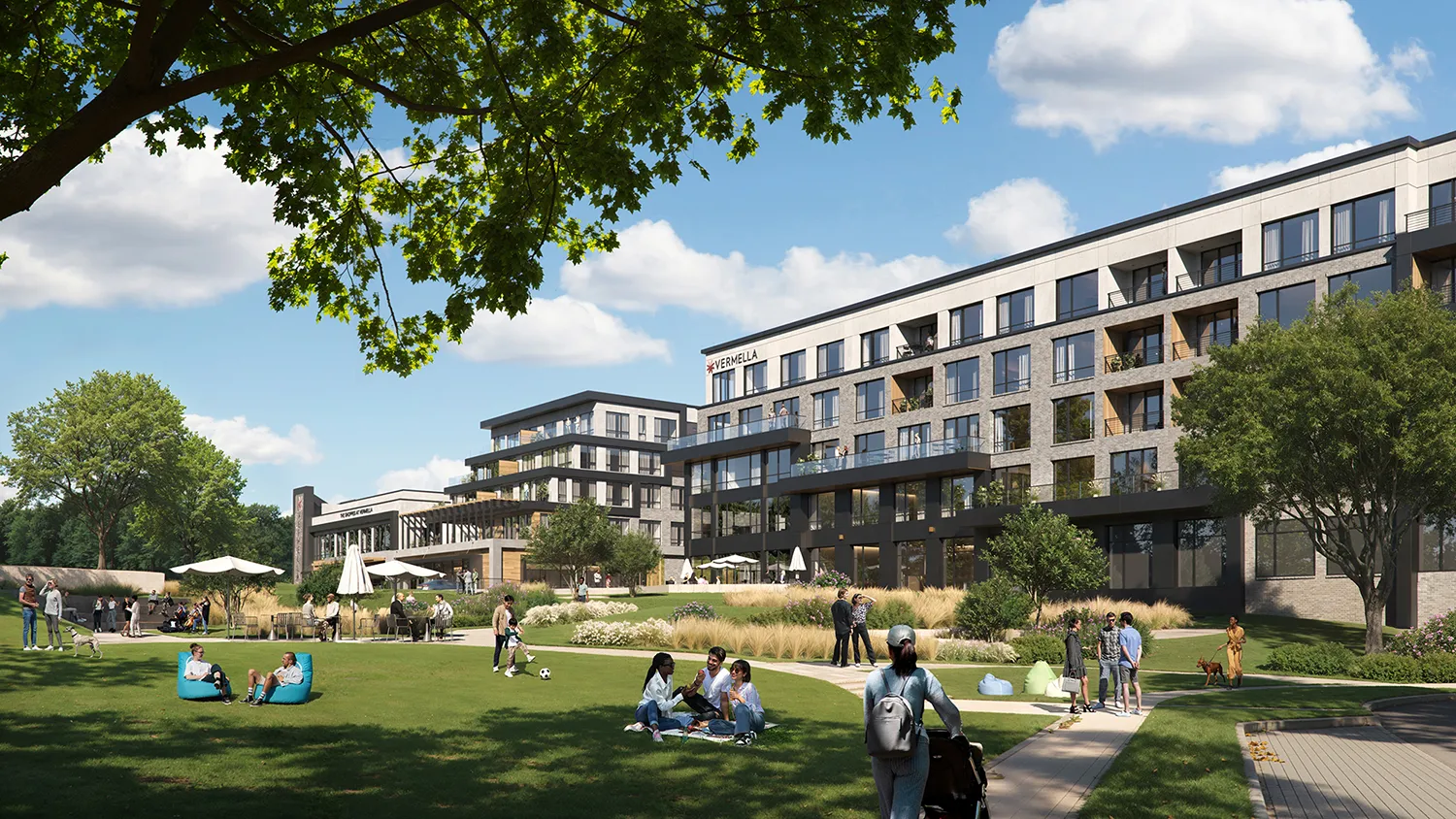
What Sets Our 3D Rendering Studio Apart for Texas Development Pipelines
Not every visualization partner is built for the pace and complexity of active Texas development programs. In environments where design, approvals, and procurement move in parallel, reliability matters more than stylistic experimentation.
For CDO teams, the difference comes down to predictability, accuracy, and responsiveness. Visuals need to reflect real project constraints, evolve as decisions change, and stay aligned with schedules that leave little room for delay. A studio that knows how to operate within these constraints contributes directly to workflow efficiency, helping development teams conserve time and resources.
Permit-Ready Detail and Realistic Materials That De-Risk Decisions
CYLIND studio delivers high quality visuals with precise geometry, realistic materials, and consistent lighting. Our high level of attention to detail ensures renderings stand up to scrutiny during permitting, brand reviews, and investor presentations.
A Collaborative Review Process Built Around Schedule, Capex, and Stakeholders
We understand that visuals must support, and not disrupt, project schedules. Our review process is structured to accommodate stakeholder feedback while maintaining momentum and protecting critical deadlines. This collaborative approach helps teams stay aligned without unnecessary iteration.
Reliable Delivery for Multi-Site Rollouts Across Texas
Managing multiple assets across Texas requires more than visual quality. It requires consistency of output, predictable timelines, and a process that can scale without introducing friction.
Our 3D visualization services in Texas are structured to support repeatable workflows across hospitality, retail, and mixed-use portfolios. This allows development teams to maintain alignment across sites, reduce coordination overhead, and move projects forward without sacrificing speed or control.
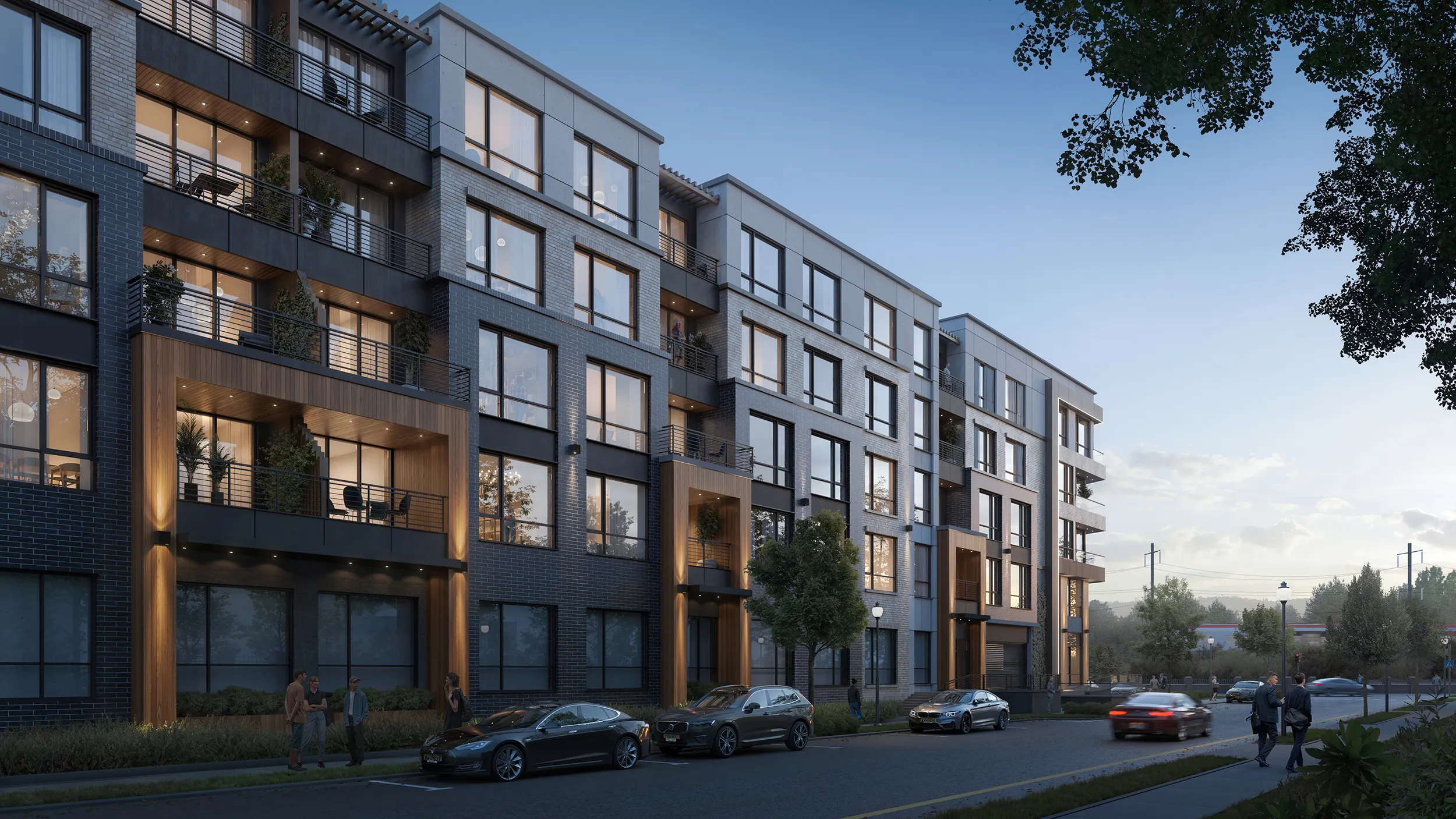
How to Get Started with 3D Rendering in Texas Under Tight Schedules
Clear onboarding and defined deliverables are essential when schedules are compressed.
Initial Consultation Inputs and Brand Standards Alignment
We begin by reviewing project documentation, reference materials, and brand standards. This ensures that your project vision is accurately translated into visuals that support both design and business goals.
Timeline, Pricing, and Deliverables with Clear SLA
Each engagement includes clearly defined timelines, milestones, and deliverables. This transparency allows teams to plan approvals, investor reviews, and pre-leasing activities with confidence.
Next Steps to Support Permits, Investor Decks, and Pre-Leasing
Visual assets are delivered in formats suitable for multiple uses, maximizing value across planning, marketing, and stakeholder communication.
For broader development portfolios, teams often complement Texas-based work with insights from 3D Rendering in the USA or international benchmarks such as 3D Rendering Services in London.
All images © CYLIND
