Real estate development has become structurally more complex. Capital rarely comes from a single source anymore. A mid-scale residential scheme may involve a local landowner, a private equity partner, a bank providing senior debt, and a specialist fund offering mezzanine financing. Each participant evaluates the project through a different lens: architecture, risk exposure, construction feasibility, long-term asset value.
Communication between those perspectives is not always seamless. The Autodesk & FMI Global Construction Report estimates that fragmented project data and misaligned documentation contribute to more than $1.8 trillion in global construction rework each year. These inefficiencies rarely begin on the construction site itself. They often originate earlier, when the project still exists only in drawings, spreadsheets, and presentations interpreted differently by architects, lenders, and investors.
Under those conditions, the ability to present a development clearly becomes more than a matter of aesthetics. Photorealistic rendering, spatial simulation, and immersive virtual tours translate technical proposals into something closer to an experience. Investors no longer attempt to reconstruct the building mentally from plans and financial models. They see the future asset as a place: a building with scale, light, circulation, and urban presence.
For developers seeking funding for property development, that clarity changes the dynamics of decision-making. Below, we explore exactly how 3D visualization transforms the funding journey, showing how the right imagery can speed approvals, align complex capital structures, reduce perceived risk, and even influence pre-sales.
How to Get Funding for Property Development Faster With Visual Proof
Financial projections can estimate potential returns, but investors rarely make decisions based on spreadsheets alone. They also need to understand how the project actually works in its context — how it relates to the location, the density around it, and the type of demand it is likely to attract. In practice, this is often where questions like how to get funding for property development start to matter, because clarity at this stage shapes whether the conversation moves forward at all.
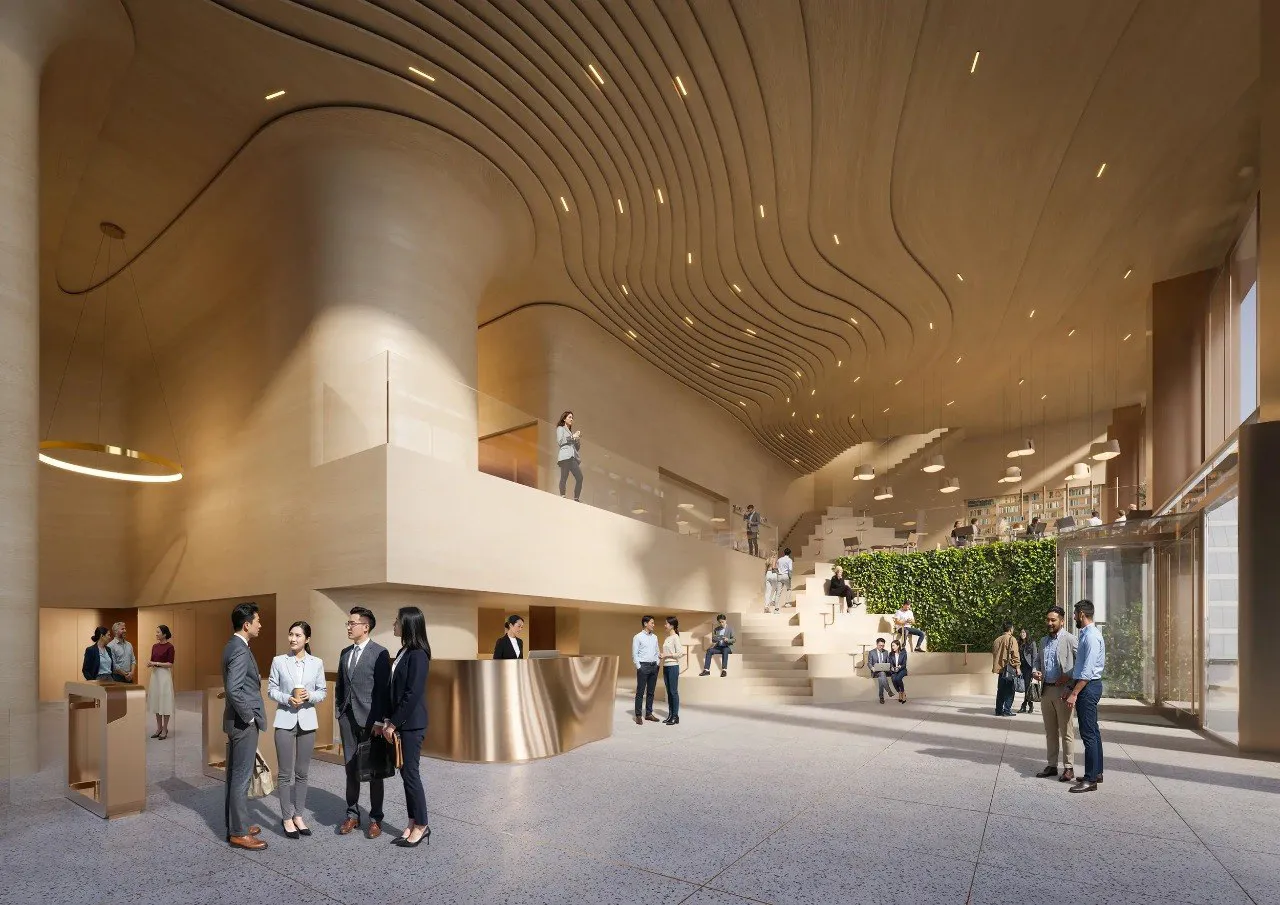
Architectural visualization helps bridge that gap. Renders show how the project sits within its surroundings and give a more immediate sense of scale and setting, which is often what investors look for when evaluating property development funding. Interior visuals make it easier to understand what the space will feel like once built, while site views help explain access, circulation, and how public areas are arranged. All of this also becomes relevant when discussing funding for real estate development, since lenders and investors are ultimately trying to picture the finished asset, not just the numbers behind it.
Developers increasingly use these materials in early presentations because they make complex projects easier to read. When people can actually see what is being proposed, conversations tend to move faster and with fewer misunderstandings.
What Lenders and Institutional Investors Evaluate Before Approving Finance
Before approving property development finance, lenders and institutional investors conduct a detailed assessment of the project’s feasibility, the developer’s track record, and the overall capital structure. In many cases, 3D project models are included in this process to provide a clearer understanding of the scale, layout, and construction logic behind the development.
The process usually begins with feasibility analysis. In residential property development, this includes land acquisition costs, construction budgets, professional services, and soft costs such as design, engineering, and permitting. Reviewing these figures alongside a 3D model helps lenders assess how the proposed budget aligns with the physical scope of the project and the projected development value.
The developer’s track record is another important part of the financing process. Lenders review previous projects, delivery timelines, budget performance, and execution quality. Project models from completed developments can also be used during evaluation to give additional context around design complexity, construction scale, and delivery consistency. This often affects whether lenders offer financing under standard or more flexible conditions.
The capital structure is then reviewed through a layered funding model that may include senior debt, mezzanine financing, and investor equity. Project models are often used during this stage to map funding across different construction phases and identify where capital is allocated throughout the development cycle.
Within this structure, short term loan facilities may support early construction stages, while staged payments are released as specific milestones are completed. These milestones are frequently tied to project progress reviews connected to the development model and construction schedule.
Lenders also assess exposure to unexpected costs, including legal fees, delays, and contingency reserves. Scenario modelling is often used to examine how changes in costs or timelines could affect different parts of the project.
This approach gives lenders a more detailed view of the development and supports more accurate financing decisions throughout the approval process.
Why Funding for Property Development Depends on Clear Visual Pitch
Architectural drawings describe buildings in technical terms. Investors, however, assess projects through market performance.
A lender reviewing funding property development proposals rarely has time to interpret dozens of architectural sheets. Investment committees often review multiple projects in a single session. Clarity determines which proposals receive attention.
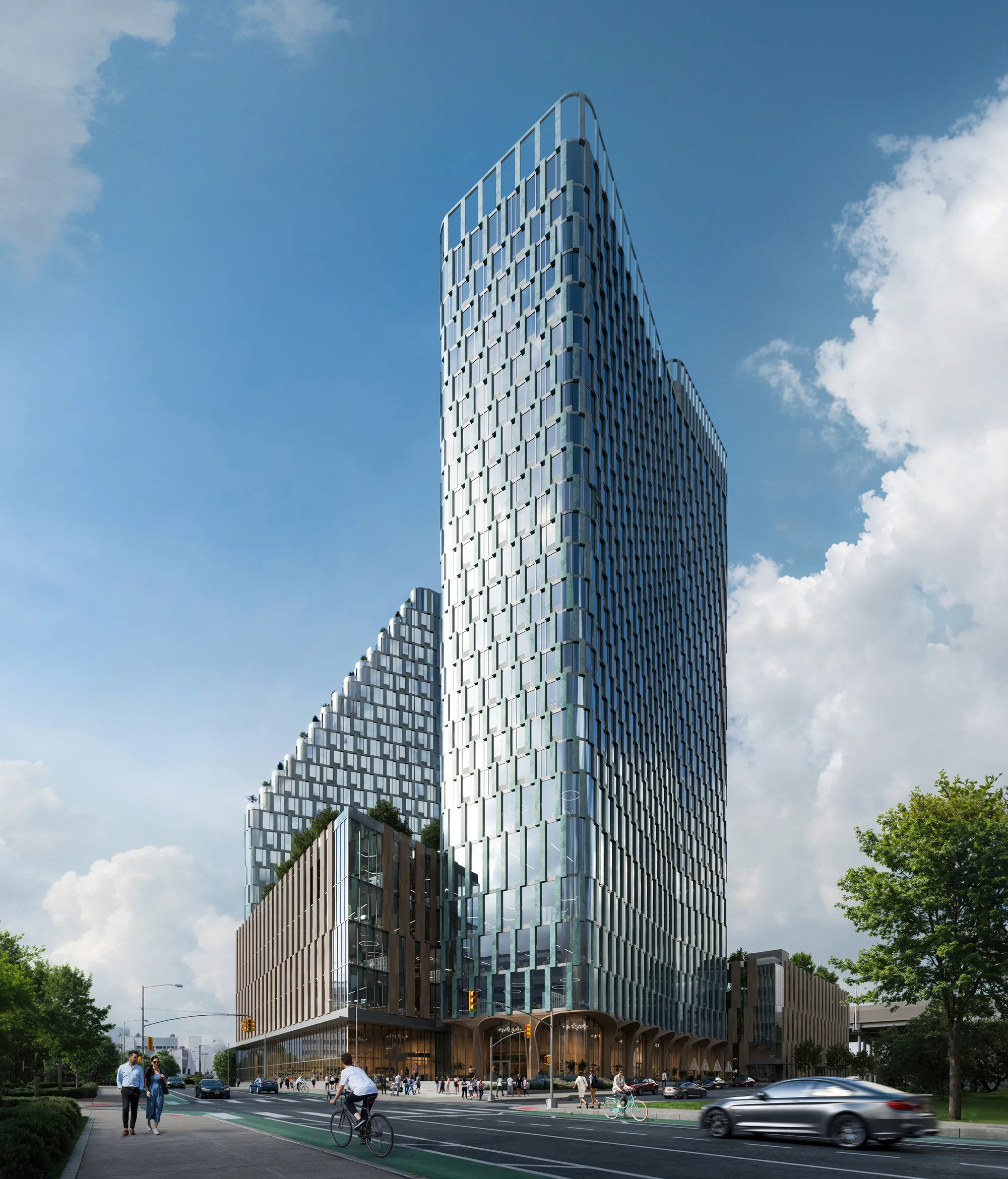
Visualization transforms architectural intent into immediate understanding. A façade rendering communicates design quality instantly. Interior imagery reveals daylight, material palette, and spatial efficiency. Aerial perspectives show how the building contributes to its urban environment.
These elements allow lenders to visualize the final asset rather than speculate about it.
In development finance, certainty often matters more than ambition.
Gross Development Value and Financial Projections Explained With 3D Renders
Financial projections rely on assumptions about market value. Analysts calculate gross development value (GDV) by estimating the final sale or rental price of each unit and multiplying it across the development.
Without visual context, GDV remains theoretical.
Architectural rendering converts financial assumptions into visible outcomes. Unit layouts become furnished living spaces. Shared amenities, such as courtyards, terraces, and coworking areas, acquire scale and atmosphere. Investors can then compare projected prices with the quality of the proposed architecture.
If the building reflects the standard expected at that price level, financial projections appear credible.
In this way, visualization acts as a bridge between property development finance and architectural design.
Investor Presentations That Win Funding Faster With 3D
Professional investor presentations increasingly resemble architectural competition submissions. Developers combine financial analysis with visual storytelling that guides investors through the project.
A typical presentation sequence includes:
- aerial context showing the development within the city
- massing studies explaining scale and density
- façade imagery illustrating architectural character
- interior scenes presenting residential life inside the property
This narrative structure reflects the way people naturally understand buildings, moving from urban context to interior experience.
Developers working with professional studios offering CGI Services for Property Developers often report faster responses from investment committees because visual materials reduce the need for technical explanations.

Funding for Property Development Projects With Strong Capital Stack Visualization
Large development projects rely on complex financing structures. Banks rarely fund the entire cost of construction. Instead, developers assemble a layered capital stack that balances risk across lenders and investors.
Clear communication becomes essential once multiple funding partners enter the project.
Visualization helps each participant understand how their capital contributes to the final development.
Senior Debt, Mezzanine Financing and Preferred Equity Visualized Clearly
Development finance typically begins with senior debt, where banks or institutional lenders provide the majority of funding, often covering 60–70% of the total project cost. Because this loan is secured against the property, interest rates remain relatively moderate.
When senior debt does not cover the full capital requirement, developers add mezzanine debt, which carries higher interest rates due to its subordinate repayment position. Finally, developers contribute their own capital alongside preferred equity investors, who receive a share of project profits.
Visualizing the capital stack helps everyone involved understand how each layer interacts with the physical project. Leveraging the Benefits of 3D Visualization makes the funding structure immediately tangible, aligning lenders, investors, and developers and reducing uncertainty in financing decisions.
How 3D Renders Help Secure Bridging Loans and Construction Loans Faster
Short-term financing frequently supports early project stages. Developers may require bridging loans to acquire land or short term construction loans while planning approvals progress.
Lenders providing this capital must evaluate projects quickly. Traditional architectural documentation often slows that evaluation.
3D renders allow lenders to assess design feasibility, density, and potential market appeal within minutes.
For projects requiring rapid acquisition financing, that clarity can determine whether bridging finance becomes available before competing buyers enter the market.
Staged Payments and Cash Flow Across Projects Visualized for Lenders
Construction financing usually follows a staged payment structure tied to project milestones.
Funds are released progressively as development progresses through key phases:
- land acquisition
- planning approval
- structural construction
- interior completion
- delivery of the completed property
Animated visualizations can illustrate this progression, allowing lenders to connect cash flow projections with physical construction progress.
When developers manage multiple projects, these visual timelines help financiers understand how resources and schedules align across the broader development portfolio.
Mezzanine Debt and Equity Partners Close Funding Gaps With Visuals
Even well-structured projects occasionally face financing gaps. Developers often address these gaps through private financing, equity partners, or specialized loan funds.
Investors providing mezzanine or equity capital evaluate not only financial returns but also the architectural quality of the project they support.
Visualization communicates that quality immediately. Investors see how their capital contributes to a tangible development rather than an abstract financial structure.
How Interactive 3D Tours Improve Stakeholder Alignment
Development projects involve dozens of professional participants: architects, engineers, contractors, planners, and investors. Each discipline interprets technical drawings differently, which can lead to miscommunication and costly design conflicts.
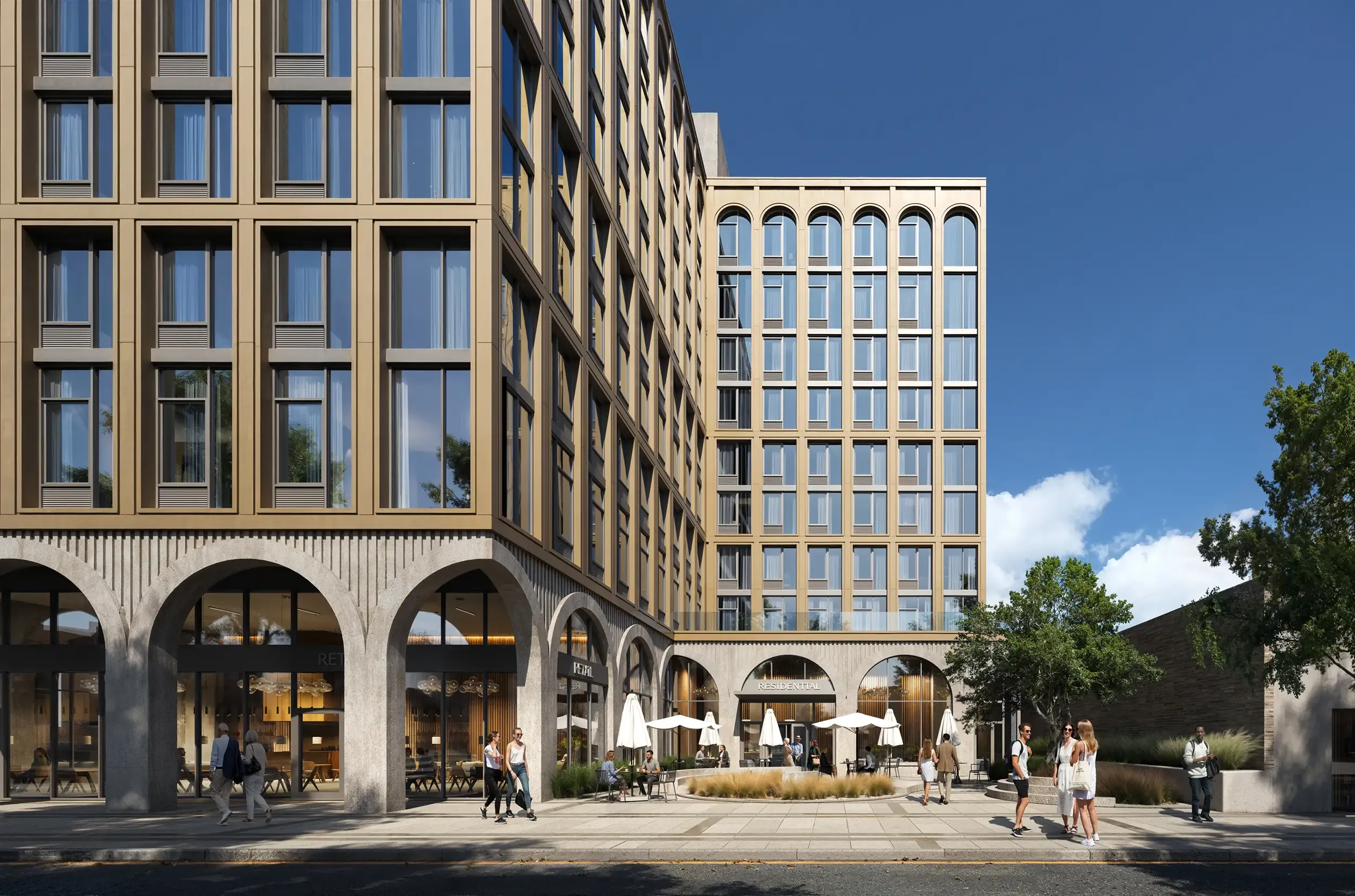
Interactive 3D tours create a shared spatial reference. Stakeholders can walk through the building virtually before construction begins, reviewing circulation paths, room proportions, and urban context. For workplace projects, developers often rely on 3D Rendering for Office Design to coordinate architects and tenants early in the process. For residential developments, high-quality 3D Apartment Renderings allow designers, investors, and marketing teams to visualize unit layouts, amenities, and light distribution.
By making the project tangible for every participant, shared visualization reduces misunderstandings and helps prevent costly redesigns during construction.
Funding for Real Estate Development Through Better Market Positioning and Visual Strategy
Funding decisions are often influenced by how clearly a development is positioned in the market. Detailed 3D visuals help communicate the project’s concept, scale, and commercial potential to lenders and investors during the financing process.
Traditional Mortgages vs. Specialist Lenders and Private Funding Options Explained Visually
Development capital originates from several sources:
- traditional bank lending
- commercial development loans
- specialist lenders focused on property development finance
- private equity investors
Each funding source evaluates risk differently, and clear visual presentations help developers communicate a project’s value consistently across these audiences. This becomes especially important when targeting international investors, who often follow regional growth strategies such as Vision 2030 Saudi Arabia, where large-scale urban development continues to attract significant capital.
Best Way to Fund Small Property Development Projects With Strong Visual Assets
In small-scale development, lenders have limited reliance on portfolio history or repeated comparable transactions, so underwriting depends more on the quality of the individual project case. A 3D model in this context acts as a validation tool, allowing rapid assessment of density, unit efficiency, and whether the proposed economics are structurally credible.
In larger developments, the evaluation framework is different. Decisions are supported by developer track record, comparable projects, institutional guarantees, and diversified risk exposure. The 3D model is less about validating feasibility and more about coordinating execution and monitoring delivery.
As a result, in small-scale projects, visual and technical clarity directly affects access to capital and financing terms, while in larger projects it primarily supports implementation rather than initial investment decisions.
Commercial Development Loans vs. Bridging Finance for Smaller Schemes
Smaller projects commonly rely on two funding structures.
Commercial development loans support projects with longer construction timelines and more complex planning requirements.
Bridging finance provides short-term capital for acquisitions or renovations when developers intend to refurbish properties and exit quickly.
Visualization clarifies the transformation investors can expect after redevelopment.
Development Application and Legal Fees Managed With Clear Project Visualization
Planning approval is the most uncertain stage in any development. Submitting a development application involves architectural drawings, environmental studies, and legal reviews, which can quickly add up in fees and consultant costs.
3D visualization makes the project tangible for planning authorities and local communities, reducing objections and speeding up approvals. Real Estate Developers in the MENA Region use these tools to present complex proposals clearly, navigate local regulations, and manage both legal costs and timelines effectively.
Pre Sales and Marketing Impact on Securing Development Funding
Many lenders evaluate pre-sales performance before releasing construction financing. Strong early demand signals lower market risk.
Visualization supports these campaigns by allowing buyers to explore properties before construction begins.
Large residential towers frequently rely on Skyscraper Rendering Services to present the project’s architectural identity during early marketing phases.
Pre-sales success often improves loan conditions and reduces overall financing costs.
Residential Development Funding With Reduced Risk Through 3D Visualization
Lenders ultimately focus on one variable - risk. Projects that appear uncertain struggle to secure favorable financing terms. Visualization reduces that uncertainty by revealing the full development lifecycle.
Land Acquisition to Completed Property Visualized Step by Step
From land acquisition to completed property, visualisation turns the development process into a clear sequence of stages that can be understood and managed as one continuous flow.
At acquisition, it defines the real development potential of the site, including massing, density, and constraints.
During design, it tests layout efficiency, unit mix, and spatial organisation before construction begins.
In planning, it improves clarity of the proposal and supports faster alignment with regulatory requirements.
During construction, it links progress to defined milestones such as structure, envelope, and fit-out, making execution easier to track and control.
At completion, it connects the finished asset back to the original concept and shows how each stage contributed to the final result.
Exit Strategy Interest Rates and Risks Addressed With 3D Renders
Every development requires an exit strategy. Developers may sell individual units, refinance the completed asset, or sell the entire project to an institutional investor.
Visualization demonstrates the final product that will generate those returns. When lenders understand the architectural quality and market positioning of the completed building, projected interest rates and repayment schedules appear more reliable.
Funding Property Development Projects With Architectural Visualization
Architectural visualization packages typically include:
- exterior architectural renders
- interior lifestyle scenes
- aerial site imagery
- virtual tours or walkthrough animations
These assets support investor presentations, planning approvals, and marketing campaigns simultaneously.
Developers targeting international markets often commission visualizations from studios providing 3D Rendering Services in the USA or other major design hubs to align with global presentation standards.
How 3D Rendering Reduces Rework and Protects Budget
Construction rework remains one of the largest hidden costs in development projects.
Studies by McKinsey Global Institute show that productivity in construction has grown far more slowly than in most other industries, largely because design coordination problems emerge during the building phase.
Detailed 3D models allow project teams to identify conflicts before construction begins. Early coordination prevents expensive redesigns and protects the development budget.
For lenders evaluating residential development funding, fewer design revisions translate directly into lower project risk.
All images © CYLIND
