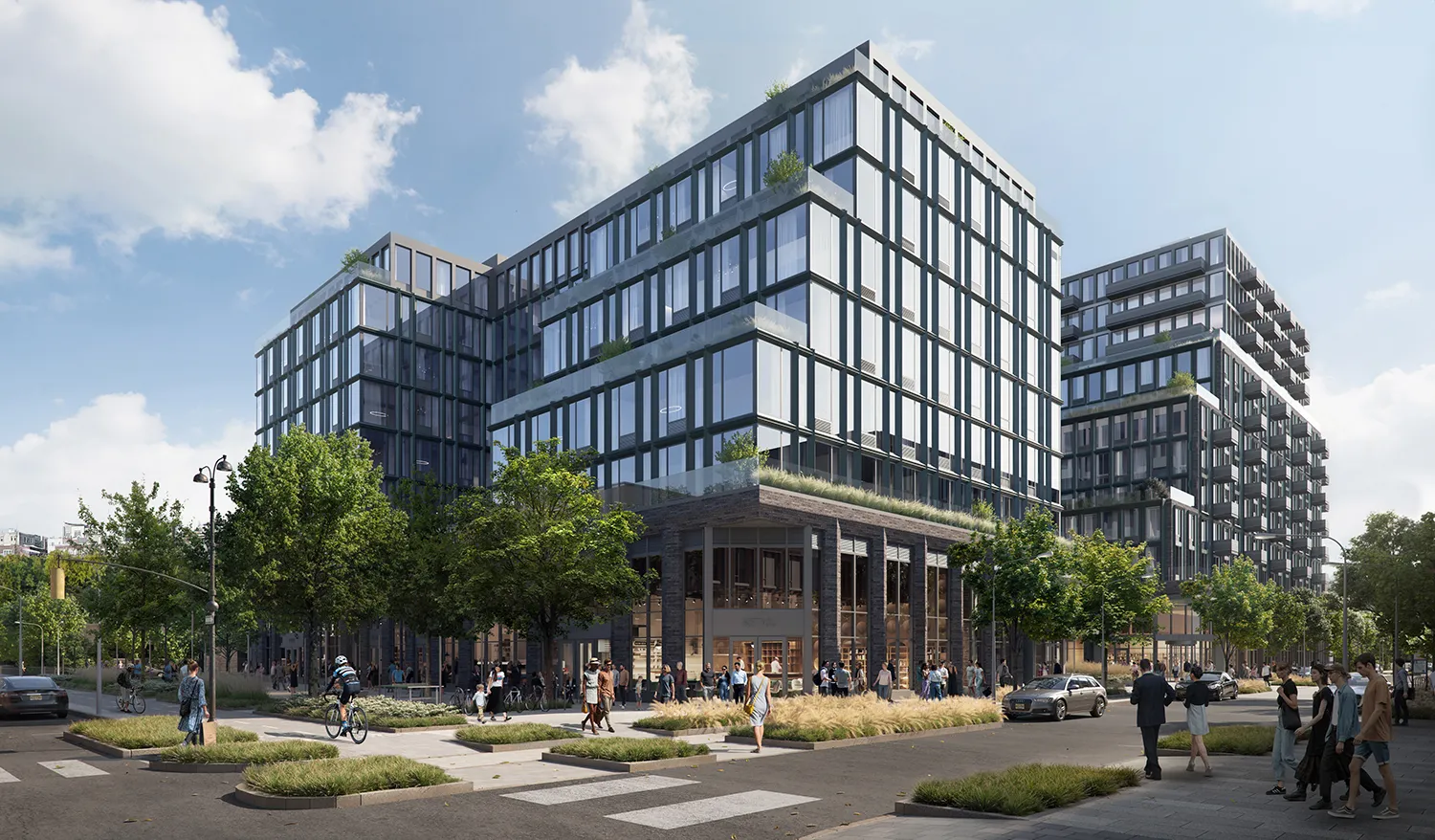
Selling a home that does not physically exist yet has always required a leap of faith from buyers. In the past, developers could rely on printed floor plans, a sales brochure, and maybe a small model in a showroom. Today, that approach is far less effective. Buyers compare projects online, analyze pricing carefully, and spend more time evaluating risk before signing a purchase contract in the competitive presale real estate market.
That’s where many presale deals start to slow down. Interest may already be there, but buyers are still trying to understand what they’re actually committing to. The longer uncertainty stays in the conversation, the longer decisions drag out, especially in new home presales, where buyers invest in properties long before completion.
Next, we’ll look at how developers are using visualization tools to reduce that uncertainty and keep presale sales moving long before the project is built.
Elevating Presale Homes With 3D Architectural Visualization
A floor plan might explain dimensions, but it doesn’t show how a room will actually feel, how natural light moves through the interior, or whether the layout makes sense for everyday life. That gap is often where hesitation begins at the presale contract stage, especially when decisions are tied to an initial investment made before the project is physically built. Even when a lower price is offered at the early construction stage, it is not always enough to convince buyers if they don’t yet have a clear understanding of what they are actually purchasing.
3D visualization closes that gap by turning abstract vision into something people can properly evaluate. Instead of asking buyers to imagine a presale house from technical drawings alone, developers can show the project as a believable, lived-in space.
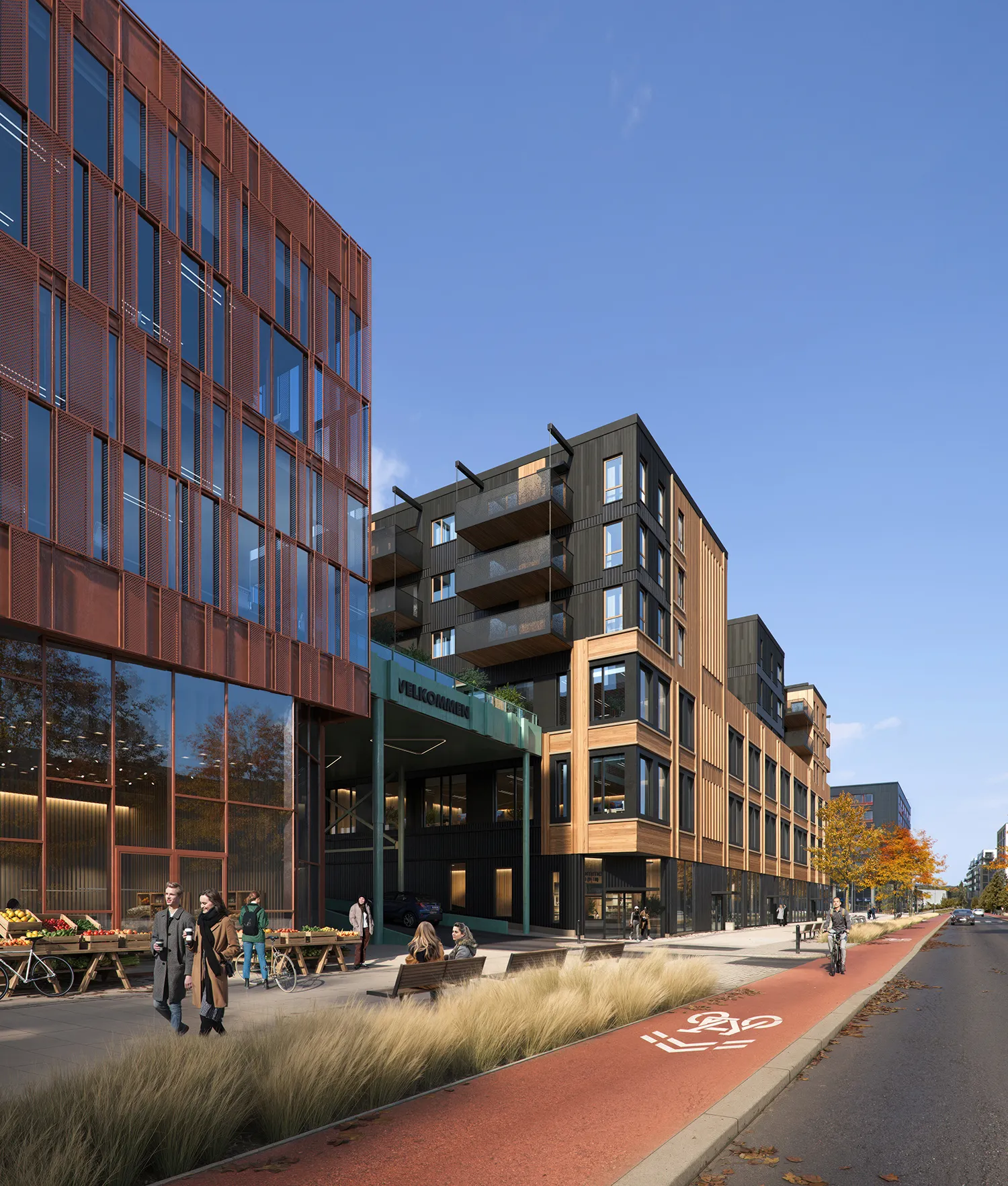
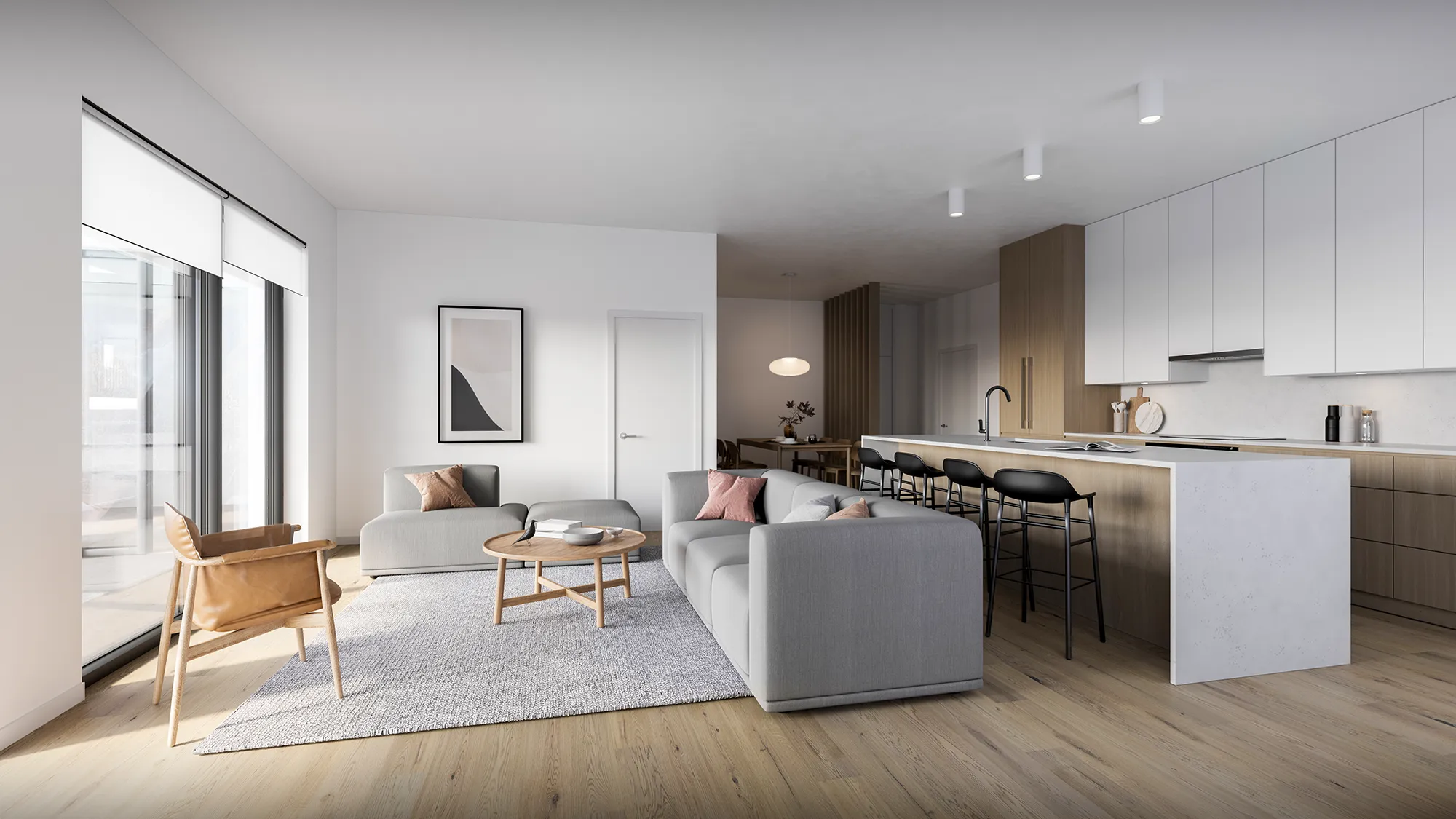
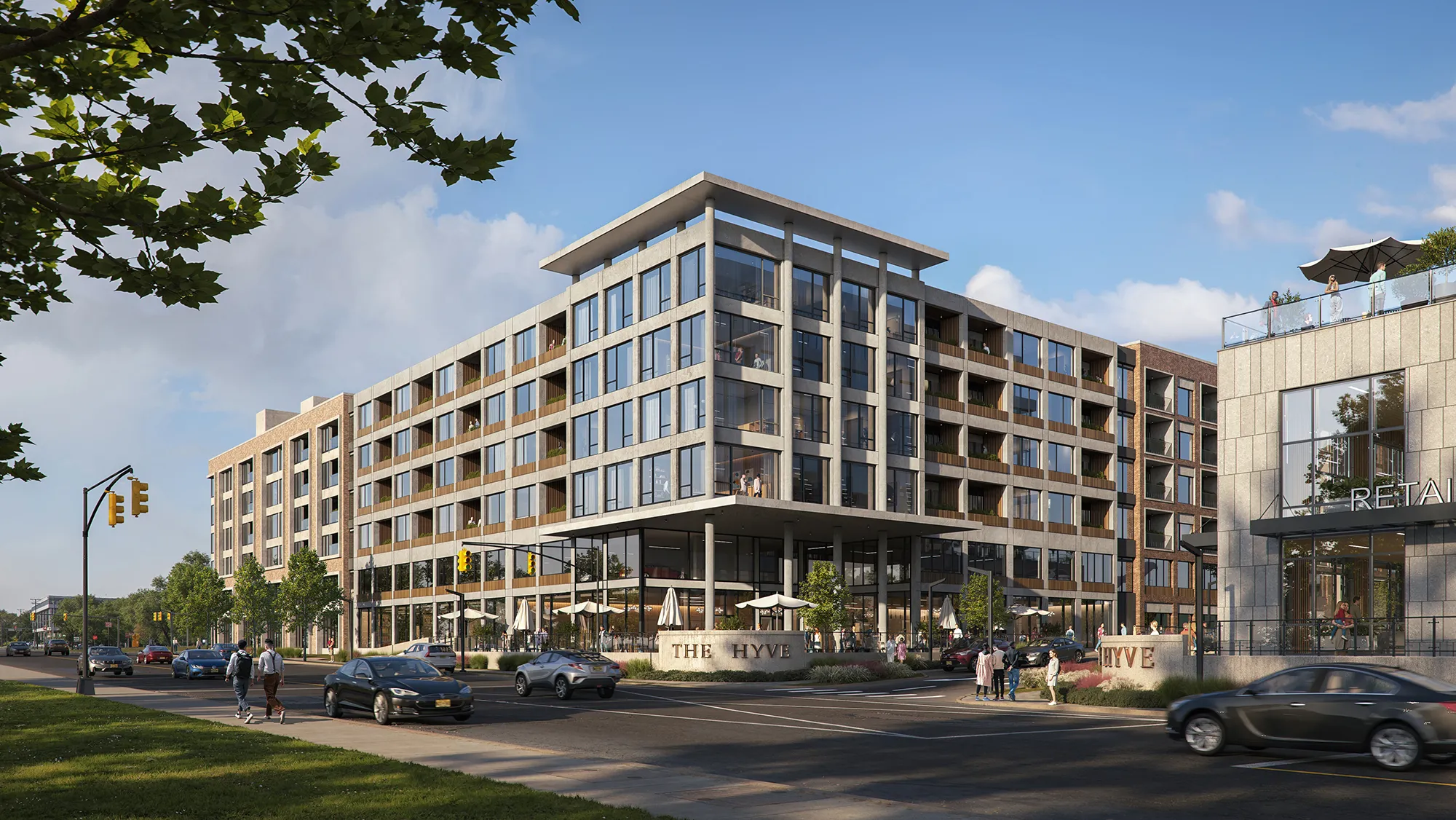
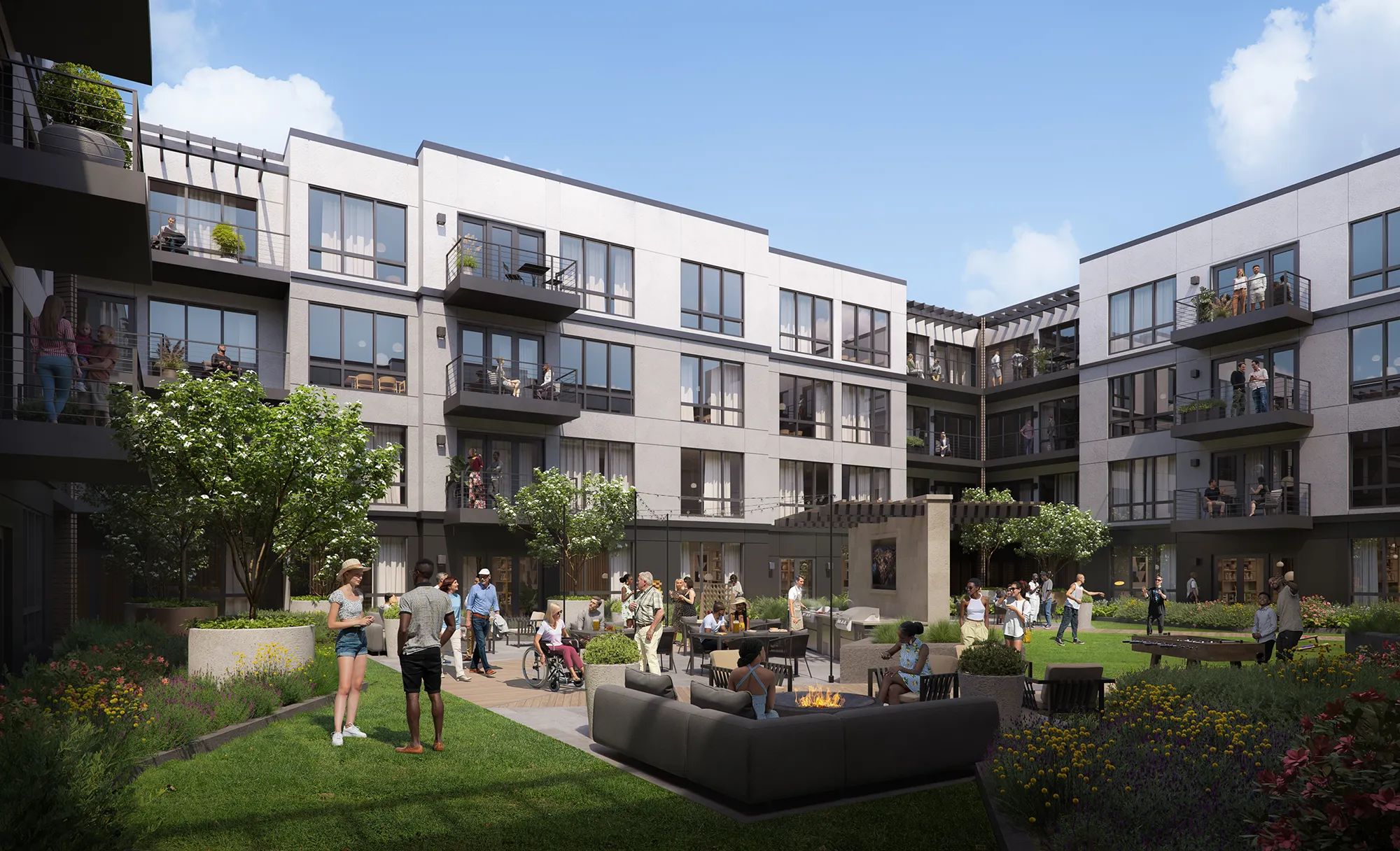
Exterior renderings give context that standard plans never can: scale, materials, landscaping, street presence, and how the property sits within its surroundings. Interior visuals make it easier to understand proportions, finishes, lighting, and flow between spaces. Interactive floor plans help buyers grasp layout logic without needing to read architectural drawings. Giving buyers a clear understanding of the future property often becomes more important than offering a certain percentage below future market value alone.
For developers marketing presale homes across multiple projects or locations, these visuals also help maintain consistency across sales teams, websites, investor materials, and advertising campaigns, ensuring that each presale home is presented with the same level of clarity throughout the sales process.
The Challenge of Selling Presale Houses Without Visual Proof
A buyer considering a brand new home usually asks the same questions:
- What will the space actually feel like?
- Will the rooms look as large as they appear in the plans?
- How much natural light will the interior receive?
- Will the finished product match expectations?
Without visual proof, those questions become difficult to answer.
Why 3D Rendering Became the Best Way to Showcase Presale Homes for Sale
Those questions don’t get answered by floor plans or brochures in a way that feels reliable to most buyers. Standing inside an unfinished site, they’re expected to imagine walls, finishes, and spatial proportions from technical plans alone, which rarely creates full clarity.
That’s largely why 3D rendering became such a central part of presale real estate marketing.
A photorealistic image communicates information faster than a sales presentation full of technical explanations. Buyers immediately understand scale, atmosphere, material quality, and layout relationships.
For a modern house presale campaign, developers usually work with a set of visual materials that together explain the project from different angles. Exterior renderings show how the building sits in its environment and communicate its architectural identity. Interior visuals, often created through 3D interior visualization services, focus on layout, light, and material choices, helping buyers understand how the space will feel in everyday use.
Interactive floor plans provide structure, making it easier to read proportions and connections between rooms. Animated walkthroughs introduce movement through the space, showing how different areas relate to each other in sequence. Immersive virtual tours extend this further by allowing users to navigate the property on their own, exploring details at their own pace.
Together, these assets build familiarity and change how buyers emotionally respond to a project. People are more likely to commit when they can clearly picture themselves living in the property.
That matters when developers need buyers to commit earnest money early in the sales cycle.
Converting Presale Homebuyer Interest into Committed Contracts
The real challenge is converting curiosity into signed contracts. Buyers feel more comfortable moving forward when they understand what the final property will look like and how the project will evolve during construction.
That confidence affects several stages of the sales process:
- willingness to sign a contract earlier
- confidence in the deposit structure
- reduced objections during negotiations
- faster approval from family decision makers
- stronger emotional attachment to the property
Instead of attracting broad curiosity, visual campaigns tend to attract buyers already prepared to evaluate the project seriously.
Strategic Design Applications for Presale House Projects
Architectural visualization is useful not just for marketing. It also supports internal planning, communication, and alignment between developers, architects, and marketing teams.
For large residential developments, visualization often becomes part of the broader project strategy.
Developers use it to test design directions, communicate ideas to municipalities, present proposals to investors, and align sales messaging before public launch. In practice, that same flexibility also helps them show the project in different lighting conditions, seasons, or landscaping versions depending on who they’re speaking to and what they need.
Presenting Multiple Design Scenarios for Presale Home Customization
Customization can strongly influence purchasing decisions in new home presales.
Buyers who enter a project early often expect flexibility. They want to compare finishes, layouts, cabinetry options, flooring materials, or paint color schemes before making a final commitment.
Trying to explain these differences through catalogs or static reference boards quickly becomes time consuming.
3D House and Residential Rendering Services make the process easier.
A buyer can immediately compare several versions of the same interior space with different finishes applied in real time.
This helps buyers make decisions faster while reducing confusion later in the process.
Floor Plans That Clarify Presale Homes
Traditional floor plans are useful for architects and contractors. Buyers often struggle with them because they find it difficult to interpret dimensions and understand how rooms connect spatially.
Interactive 3D floor plans solve this issue by translating technical layouts into something easier to understand visually.
For presale real estate projects with multiple unit types, this becomes essential, as buyers need to compare layouts efficiently without going through dozens of technical drawings. Interactive floor plans simplify that process while also increasing engagement. Users spend more time exploring different configurations, moving between options, and evaluating what fits their needs before making a decision.
When combined with 3D Apartment Renderings, floor plans become part of a much stronger digital presentation strategy.
Architectural Visualization for Presale Home Community Positioning
A property rarely sells on architecture alone, because buyers pay just as much attention to what’s around it as to the building itself. They look at how the area works: access to parks, walkability, nearby shops, transport connections, and everyday amenities.
That’s why developers show more than just the building. Visuals increasingly include the surrounding environment and how the project sits within it. This makes it easier to understand how the space will be used day to day, not just how it looks in isolation.
For larger developments, this also helps explain how different phases come together over time and how the full project will function once completed. In practice, approaches like CGI Services for Property Developers show how visualization can be used to connect planning, design, and marketing into one continuous system.
Construction Progress Visualization: Managing Presale House Buyer Expectations
One of the most difficult parts of selling presale houses is maintaining buyer confidence during long construction timelines. If buyers feel disconnected from project progress, concerns about delays or quality issues tend to build over time.
Construction progress visualization helps keep that connection in place. Developers, working with a 3D exterior rendering company, can provide visual updates that show completed stages, upcoming phases, and how the current state compares to the original plan.
For remote buyers, this becomes especially important. Instead of relying only on written updates, they can follow how construction moves toward the completion date in a more direct and understandable way.
This kind of visibility keeps expectations aligned and makes the waiting period before move-in feel more predictable.
Maximizing ROI: 3D Visualization's Impact on Presale Real Estate Sales
3D visualization is often seen as a way to present a project more attractively, but its real value lies in how it shapes the sales process.
It makes future spaces easier to understand, turning abstract plans into something tangible and clear. That clarity naturally builds trust and helps buyers feel more confident in their decisions earlier in the journey.
In practice, this means fewer uncertainties, smoother conversations, and a stronger overall position for the project in a competitive market.
Presale House Sales Acceleration Through Visual Confidence
Presale decisions depend on how quickly uncertainty is reduced. When buyers can clearly understand what a future property will look and feel like, they tend to move forward with greater confidence.
This clarity influences not just perception, but timing. Earlier confidence can translate into earlier commitments, including deposits and decisions made before construction reaches advanced stages. For developers, this can support more stable early-stage cash flow and stronger project momentum.
Visualization also plays a subtle role in how buyers evaluate value. A well-presented, carefully designed project tends to feel more credible and complete, which can positively influence perceived market value.
Presale Real Estate Market Positioning and Brand Differentiation
In presale real estate, projects are often compared before buyers go into any real detail. At that stage, what matters is not the amount of information, but how quickly the project can be understood.
For smaller developers, this is especially important. Without established brand recognition, the project needs to communicate clearly from the very first point of contact, without any additional explanation.
Visual presentation becomes the baseline layer of perception. It reduces the gap between what is offered and how it is interpreted when placed next to other presale houses.
From there, it affects everything else — advertising, website, listings — keeping the same level of clarity and structure across all channels. This is where Benefits of 3D Visualization become most visible in practice, as the same visual system carries the project consistently across every touchpoint.
Virtual Tours That Qualify Presale Buyers
Virtual tours change the first step of the presale process. Instead of starting with a call or a meeting, buyers usually begin by exploring the project on their own. By the time they reach a sales team, they already have a basic understanding of layout, scale, and how the property works.
This shifts the nature of inquiries. Fewer random requests come through, and more of the conversations are already grounded in real interest. Sales teams spend less time explaining the same details and more time discussing actual decision points.
It also reduces unnecessary physical visits, especially for people who are still in the early research stage. For international buyers and investors working remotely, the virtual experience often becomes the main way to evaluate whether the project is worth pursuing further.
Strategic Investment in Presale Homes Visualization: Cost-Benefit Analysis
In presale real estate, visualization shapes how new home presales are understood from the very first interaction, and that initial reading tends to carry through the rest of the buyer journey from early interest to purchase contract, and later decisions around layout, finishes, and move in timing.
As this process unfolds, physical model homes and spec homes begin to show their limits, since they depend on construction, maintenance, and often setups across a few different locations, while still showing only a single version of a presale house. The workflow naturally shifts toward digital visualization, where the same assets can be used across presale houses for sale and updated as construction progresses without rebuilding the presentation each time.
The outcome is a more consistent sales environment, where projects are easier to understand at every stage, buyer engagement remains steady across channels, and decisions around pricing, deposit structure, and closing costs feel more straightforward as the project moves toward completion.
All images © CYLIND
