Creating architectural concepts, realistic visualizations, and presentation-ready renders once required long production cycles and large teams. Today, many of these workflows are becoming faster and more automated with AI tools for architects and other emerging technologies, but speed also brings new challenges.
The discussion around AI in architecture is no longer just about automation. The real question is where these tools actually improve architectural workflows and where human control, creative judgment, and technical experience still matter most, especially in the context of AI for architectural design.
In this article, we’ll examine how AI is being used in architectural visualization today, what practical advantages it offers, and what limitations firms still face when integrating these technologies into commercial 3D rendering pipelines.

How AI in Architecture Improves Concept Design and 3D Modeling
AI architecture design tools are rapidly changing the architectural design process by helping teams generate concepts, evaluate design parameters, and visualize ideas earlier than ever before. Instead of spending weeks developing rough concepts manually, architects can now use generative AI systems to explore multiple design alternatives within hours.
However, adoption remains uneven: 64% of respondents have only experimented with AI tools, while just 20% have fully integrated them into their workflow. Reliability and output consistency remain key limitations, with 48% of users citing inconsistent results as a major challenge. (Chaos & Architizer Report,)
How AI and Architecture Converge to Transform the Design Process
The convergence of artificial intelligence and architecture is changing how architectural firms approach design development. AI tools can process environmental data, project information, and contextual constraints far more quickly than traditional manual workflows, allowing teams to evaluate a wider range of options throughout the design process.
Conceptual Design and Visualization With Human Led AI Tools
The most common use of AI in architecture remains the early design phase. Architects use AI tools to explore forms, materials, visual styles, and spatial concepts before moving into detailed development. According to the Chaos and Architizer Global Survey on AI in Architectural Design and Visualization, 43% of respondents identified concept and pre-design as the stage where AI provides the greatest value (Chaos & Architizer Report, 2026).
Generative design systems can produce reference imagery, mood boards, and massing studies from written prompts or BIM inputs. These outputs help design teams compare alternatives and communicate ideas internally before selecting a preferred direction.
Architects remain responsible for defining project goals, evaluating design quality, and ensuring that proposals meet client requirements. AI supports the exploration process but does not determine design intent or authorship.
Next Gen 3D Modelling and Floor Plans With AI Tools for Architects
After the concept phase, attention shifts to spatial planning and model development. AI-assisted design systems can generate floor plan options, suggest room configurations, and evaluate circulation patterns based on project requirements, forming an important part of AI building design.
Architects can test multiple apartment layouts simultaneously while accounting for factors such as occupancy patterns, daylight access, site conditions, and future adaptability. This makes it possible to review a larger number of design alternatives within the same project timeframe.
Many repetitive modelling tasks can also be automated. Object placement, geometry cleanup, and routine model adjustments require less manual effort, allowing design teams to spend more time on coordination, problem-solving, and design refinement.
The resulting models can then be used for rendering, presentation materials, and design reviews.
AI Building Design for Exterior and Interior Rendering
AI tools can generate lighting studies, material variations, atmosphere concepts, and interior furnishing options within minutes.
For real estate developers, faster visualization workflows shorten production timelines for presentations, marketing materials, and investor communications. Design teams can evaluate multiple visual directions before committing resources to final renders.
Many studios offering CGI for Property Developers now incorporate AI-assisted workflows to accelerate the process.
Using BIM Inputs for 3D Modelling Workflows
Building Information Modeling (BIM) platforms provide structured project data that can be used throughout design, visualization, and documentation workflows. AI applications integrated with BIM systems can analyze building information, generate geometry, identify design conflicts, and support performance simulations.
These tools reduce the amount of manual coordination required between modelling, rendering, and technical documentation. Design teams gain faster access to project insights while maintaining a consistent source of information across disciplines.
The increasing use of digital twins is expanding the role of AI within BIM-based workflows. As project data becomes more interconnected, AI systems are being used to keep design models, visualization assets, and building information aligned throughout the project lifecycle.
From Text to Form With AI for Architectural Design
One of the most transformative developments in AI architecture design is text-to-image and text-to-form generation. Designers can now describe spaces using natural language prompts and receive conceptual visuals almost instantly.
This capability helps teams explore broader creative directions during the initial stages of design development. Instead of committing early to a single approach, architects can evaluate many design alternatives before refining the preferred concept.
For example, a creative director might generate multiple facade styles influenced by local regulations, climate conditions, or brand identity within a single workshop session.
Still, AI generated concepts require careful human interpretation. Prompt-generated imagery may overlook structural feasibility, cultural context, or technical requirements that experienced architects instinctively consider.
Human Review Gates for Style Control and Authorship
Despite the rapid evolution of generative AI systems, human review remains essential throughout the architectural design process. Many firms now establish formal review gates where architects evaluate AI outputs for consistency, compliance, and visual quality.
Responsible AI frameworks are becoming increasingly important as firms address ethical considerations surrounding authorship, copyright, and originality.
Senior director teams and project leaders often oversee final approvals to ensure AI-generated content aligns with project objectives and brand standards. Human architects remain accountable for final deliverables, client communication, and professional liability.
This collaborative relationship between AI and architecture ensures that automation enhances creativity rather than replacing it.
The Power of AI Architecture Design in Commercial 3D Visualization
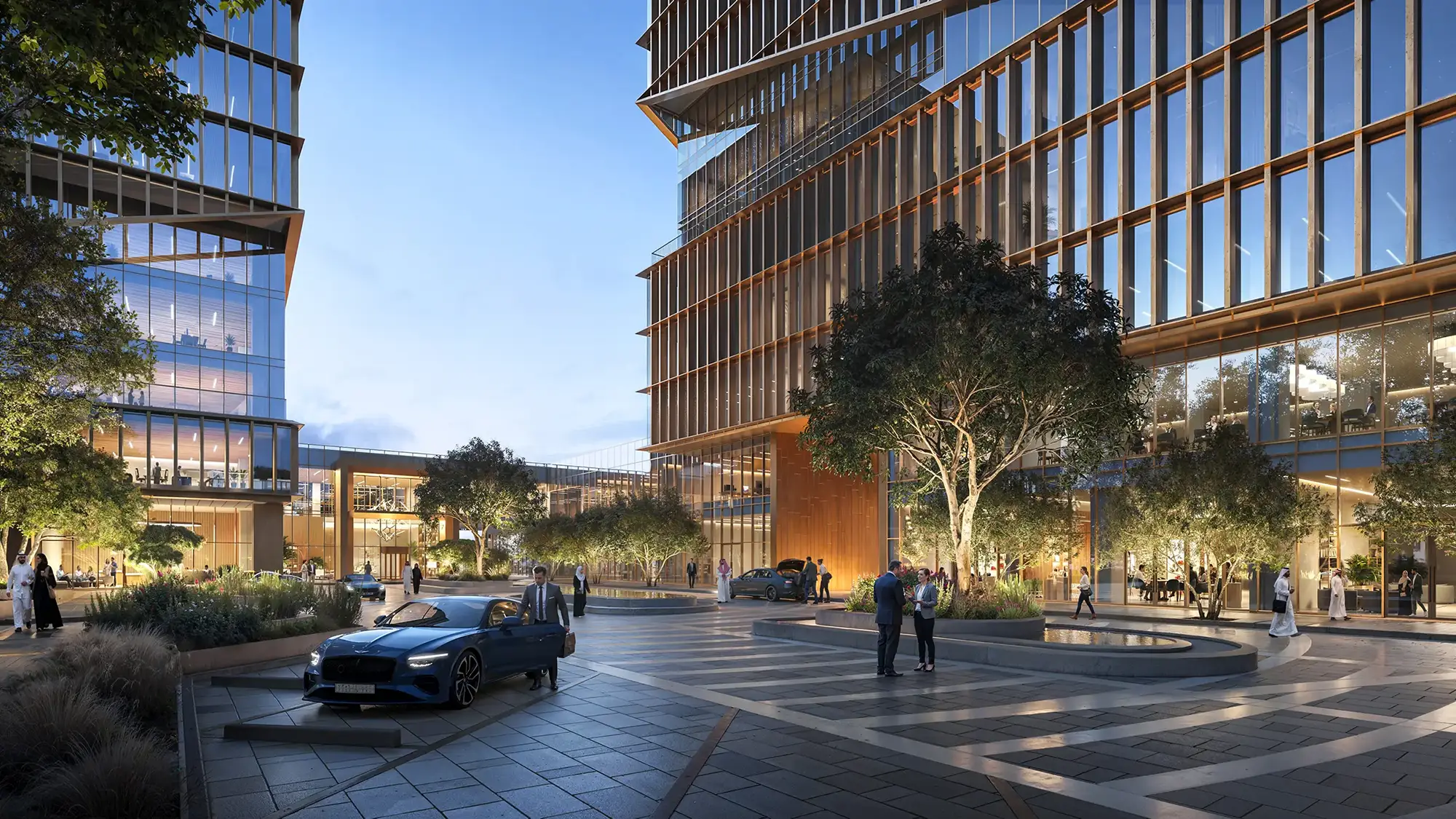
Commercial visualization pipelines are increasingly constrained by non-creative factors: client turnaround speed, asset reuse across projects, and the need to maintain production continuity when teams are distributed across studios or time zones. The bottleneck is no longer only image production, but coordination and reuse of existing visual systems.
Automated tools enter the workflow mainly as a way to reduce dependency on starting from scratch. They are used to generate early visual references that help teams align internally before production begins in full detail.
Advanced Visual Tech for Render Precision in Architectural Practice
Modern pipelines combine real-time preview tools, procedural generation, and physically based rendering. Each of these solves a specific production problem rather than replacing the full workflow.
Real-time systems are used for quick checks of lighting and composition. Procedural tools reduce manual work in repetitive elements like vegetation, urban context, and environment setup. Final rendering still relies on physically based engines to ensure correct material and light behavior.
Even with these tools, final accuracy depends on manual scene work. Lighting setups, materials, and camera positions are still adjusted by artists to match architectural intent and project documentation.
Overcoming AI Adoption Challenges in Photorealistic Rendering
AI adoption in photorealistic rendering is limited by integration with established production pipelines. Studios rely on fixed software stacks, structured file systems, and predictable asset behavior, while AI outputs do not conform to shared scene standards.
Integration requires additional steps for geometry cleanup, material redefinition, and scene restructuring before assets can be used in production environments.
Revision control is affected by variation between outputs. AI-generated results are not consistent across iterations, which complicates version tracking and alignment across project stages. This leads to additional checks when comparing versions and identifying which outputs can be carried forward into production.
Because commercial visualization projects involve high financial stakes, decision makers often prefer hybrid workflows where AI accelerates production without fully replacing traditional rendering pipelines.
Risk Management and Responsible AI in Studio Workflows
Risk management is becoming a central topic in architectural practice as firms adopt AI systems. Responsible AI implementation requires transparency regarding how content is generated, reviewed, and approved.
Studios must establish policies covering:
- Copyright compliance
- Client confidentiality
- Data handling
- Bias reduction
- Authorship verification
- Human review responsibilities
Many architecture firms are also developing internal standards for documenting AI usage within project workflows.
These measures help protect both clients and design teams while ensuring that AI applications support rather than compromise professional accountability.
Brand Consistency Across Exterior Rendering and Animation
Commercial developers require visual assets that remain consistent across every marketing channel. This includes exterior rendering, animation, interactive experiences. AI can help accelerate asset generation, but maintaining consistent architectural language still requires experienced creative oversight.
Studios specializing in Urban Design Rendering often combine AI-assisted workflows with carefully art-directed rendering pipelines to ensure visual continuity throughout large-scale campaigns.
Maximizing Commercial Value and ROI With Artificial Intelligence and Architecture
The commercial value of artificial intelligence in architecture extends far beyond faster image generation. For developers, architects, and visualization studios, AI offers opportunities to improve communication and understand projects earlier in the process.
Using AI for Architectural Design Approvals and Client Pitching
AI-assisted visualization allows teams to present design intent more quickly and effectively during client meetings and approval stages. Instead of waiting weeks for multiple rendering iterations, architects can produce revised visual directions within days or even hours. These shifts are reflected in broader industry practice, as discussed in Architectural Rendering Trends, where faster iteration cycles and evolving visualization workflows are examined in detail.
Using 3D Virtual Tours to Explain Design Intent
Immersive 3D virtual tours are becoming essential presentation tools in commercial architecture and real estate marketing.
AI-assisted workflows now support faster generation of walkthrough environments that help clients experience scale, circulation, lighting, and atmosphere before construction begins.
These experiences are especially valuable for international investors and remote stakeholders who may never physically visit the site during early development phases.
Combined with Virtual Staging for Real Estate, virtual tours help buyers emotionally connect with future spaces more effectively.
Reducing Rework Costs With Early 3D Modelling and Floor Plans
One major advantage of AI for architecture design is reducing expensive late-stage revisions.
By generating floor plans, volumetric studies, and visualization concepts earlier in the design process, architects can identify issues before projects advance too far into development.
This proactive workflow improves resource allocation while minimizing delays associated with redesign and coordination conflicts.
It also helps many architects communicate technical ideas more effectively to non-technical stakeholders.
Accelerating Time to Market for Real Estate Launches
Real estate developers increasingly rely on AI-enhanced visualization pipelines to speed up marketing production for launches.
Faster rendering workflows support:
- Earlier campaign development
- Quicker investor presentations
- Improved pre-sales marketing
- Faster digital asset production
- Streamlined approval cycles
This acceleration can significantly improve project profitability in competitive property markets.
As discussed in How Long Does 3D Rendering Take, production efficiency has become a critical competitive advantage for visualization studios.
Building Stakeholder Confidence Through Contextual Exterior Rendering
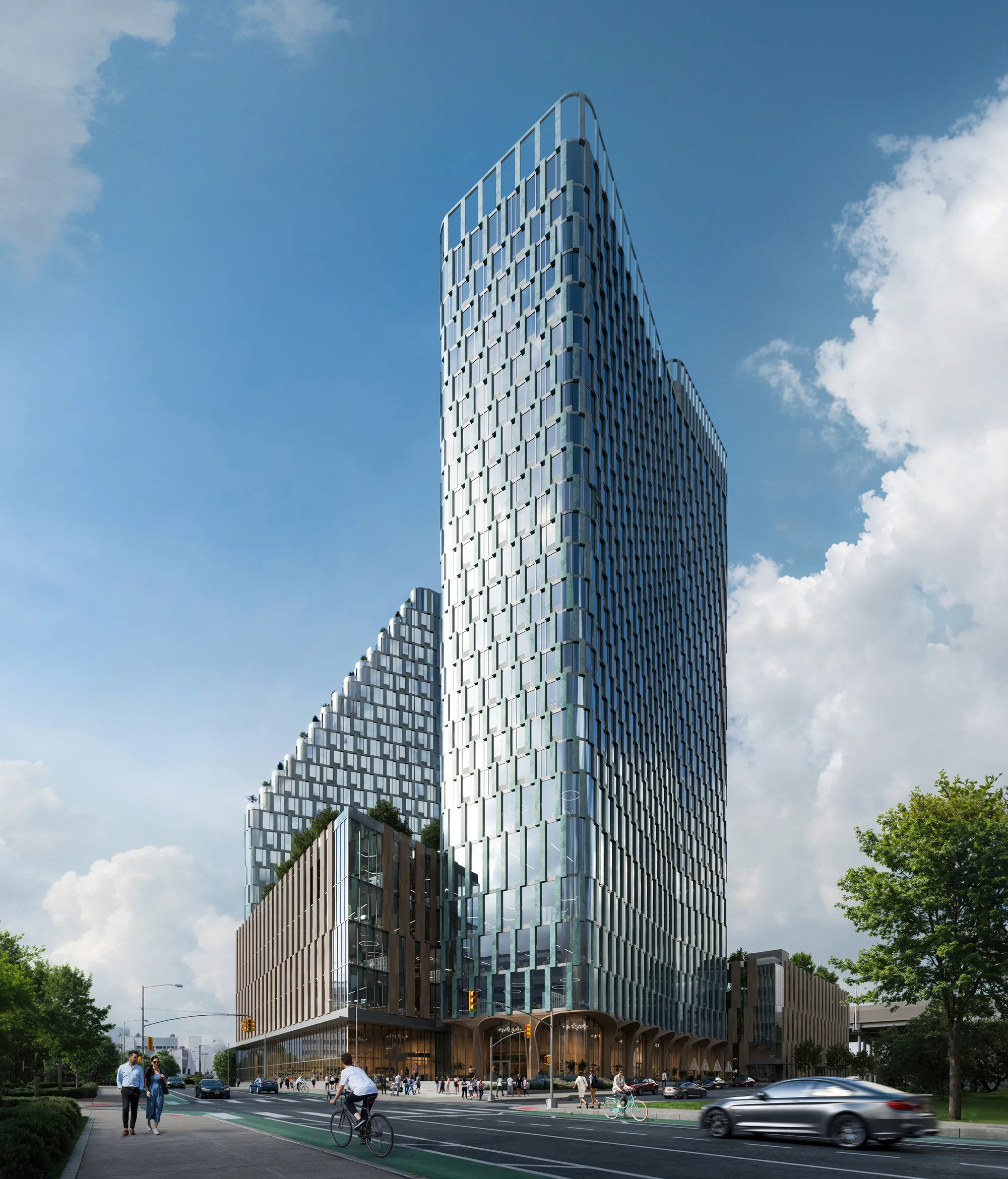
Contextual exterior rendering is used to communicate how new developments relate to the surrounding urban fabric. These visuals are applied in planning submissions, investor presentations, and public consultations where spatial impact needs to be clearly understood, and the Benefits of 3D Visualization are evident in improving understanding of proposals, accelerating approvals, and reducing revisions from stakeholders.
AI-assisted workflows can quickly generate environmental variations, seasonal lighting studies, and urban context simulations that strengthen stakeholder presentations.
However, human-led review remains essential to ensure accuracy, realism, and regulatory alignment.

Scaling Visual Assets From One 3D Model
A single coordinated 3D model is used as the base for multiple output formats in commercial visualization workflows. The same scene data is adapted for still renders, animations, interactive presentations, VR environments, marketing assets, planning documentation, and sales materials.
AI is applied as a support layer in this process, mainly for generating output variations from the same model. This includes rapid creation of different camera angles, lighting setups, framing options, and presentation styles, as well as assisting in adapting visuals to different aspect ratios and communication formats. It is also used for quick exploration of alternative visual directions before final output selection.
The core structure of the pipeline remains unchanged: one controlled model feeds all deliverables, while AI reduces the time required to produce and test multiple presentation variants. Geometry, materials, and scene hierarchy are still maintained in standard 3D environments, with AI outputs used as intermediate or auxiliary layers rather than final assets.
For firms offering 3D Rendering Services in London, scalable visualization pipelines are becoming increasingly important as clients demand faster delivery and broader asset packages.
All images © CYLIND
