
Understanding 3D rendering cost means looking beyond simple price comparisons. In architectural visualization, pricing is shaped by project scope, required accuracy, production complexity, and timelines rather than a fixed rate. While questions like “how much do renderings cost?” often come up early in the planning process, the real answer depends on how the visuals are expected to function within design development, approvals, and decision-making. Securing the right property development funding can also play a key role in moving projects forward smoothly once strong visuals are in place.This guide takes a closer look at the main rendering pricing factors to help better understand how costs are formed and how to approach budgeting for different types of rendering projects.
Types of 3D Visualization Services and Their Rendering Pricing
Different 3D visualization formats affect the rendering price in different ways. Some formats prioritize speed and clarity, others require deeper modeling or broader context. These differences shape price ranges, expected turnaround time, and the overall pricing structure used for each engagement.
When teams plan ahead and understand how visualization fits into the workflow of the next project, they avoid unnecessary scope expansion and can budget confidently. This is how most projects maintain control over cost without sacrificing delivery quality or missing project deadlines. To do this effectively, it’s important to understand the main types of rendering in 3D.
Architectural & Real Estate Rendering Price Breakdown
Architectural and real estate rendering supports multiple stages of a project, from early architectural design reviews to approvals and marketing. While the visual output may appear similar, prices differ based on how the work is produced, the level of accuracy required, and the purpose of the visual. At early stages, renders are commonly used to explore concepts and design decisions, reflecting the practical advantages of 3D visualization, while later-stage and marketing visuals require greater refinement and presentation quality, which influences overall cost.
Projects with stable inputs and limited dependencies typically allow for a lower cost and predictable delivery. When a project combines evolving design input, creating custom objects, or multiple parallel views, the production effort increases and has a significant impact on pricing. These are the main factors that shape cost, rather than a fixed template or package.
High quality rendering is achieved through process control. When teams manage inputs carefully and limit significant changes, they can reduce costs and save money without compromising results. Tight project deadlines or late adjustments, by contrast, tend to increase effort and affect pricing.
Because each project depends on different constraints, understanding the factors involved and how design decisions influence cost allows teams to work in the same way across multiple engagements. Over time, this consistency leads to predictable pricing and better cost performance from one project to the next.
Residential Exteriors and House Rendering Cost
The house rendering cost typically ranges from $1,000 to $3,000 per image. Pricing depends on scale, architectural style, site context, and the amount of surrounding environment required. A single family home usually falls at the lower end of this range, while multi-building developments move toward the higher end due to increased modeling and coordination.
Commercial Exteriors
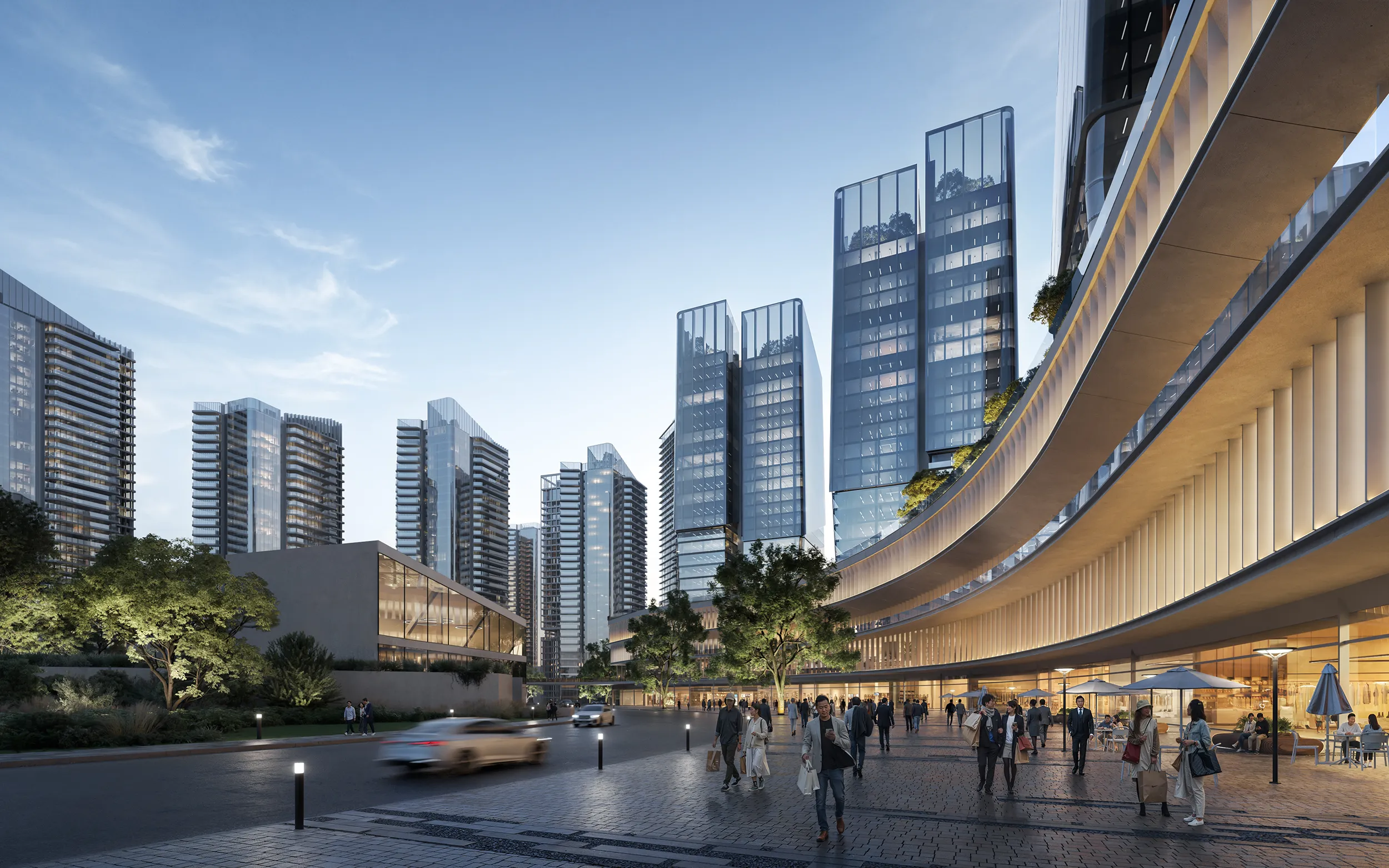
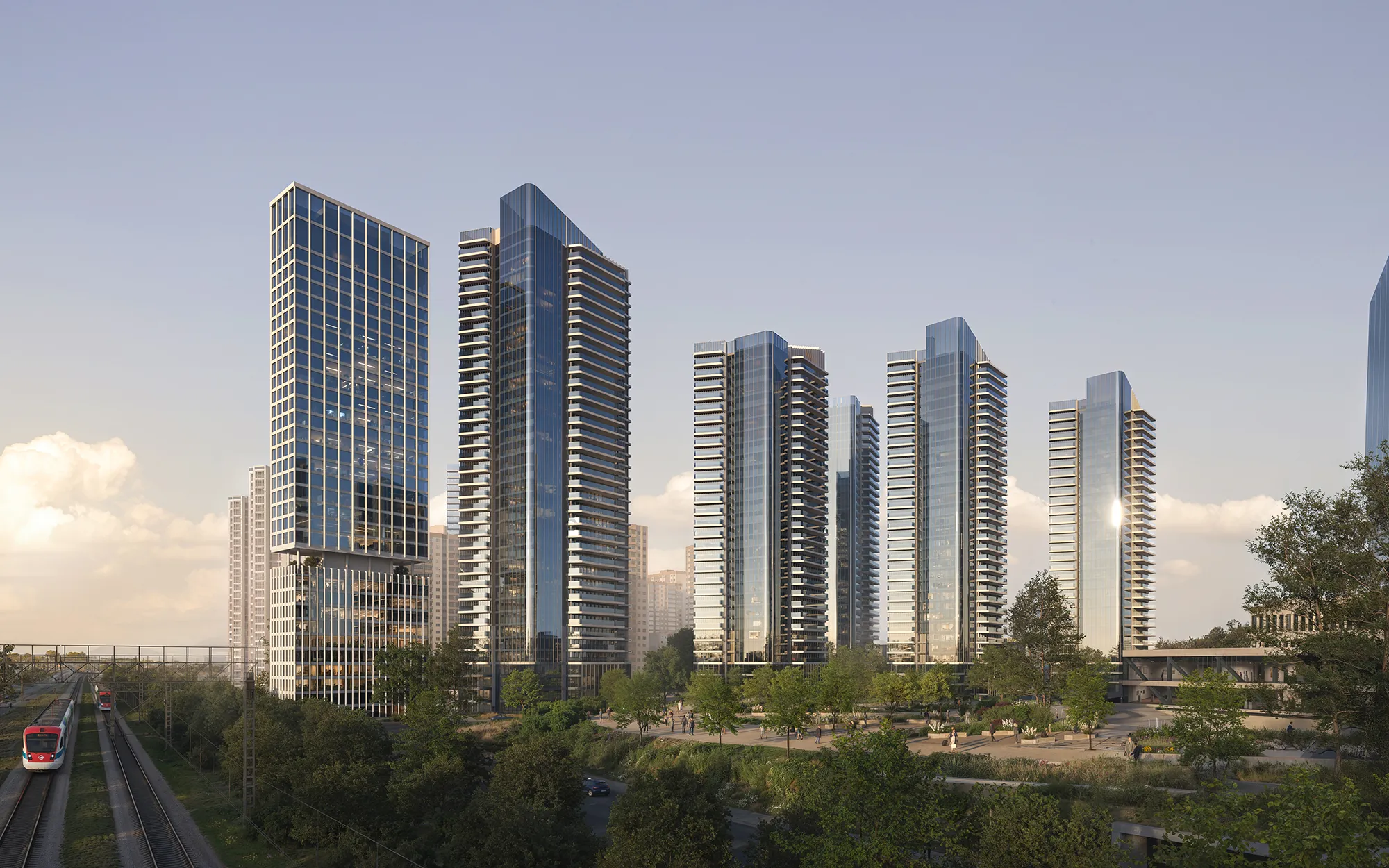
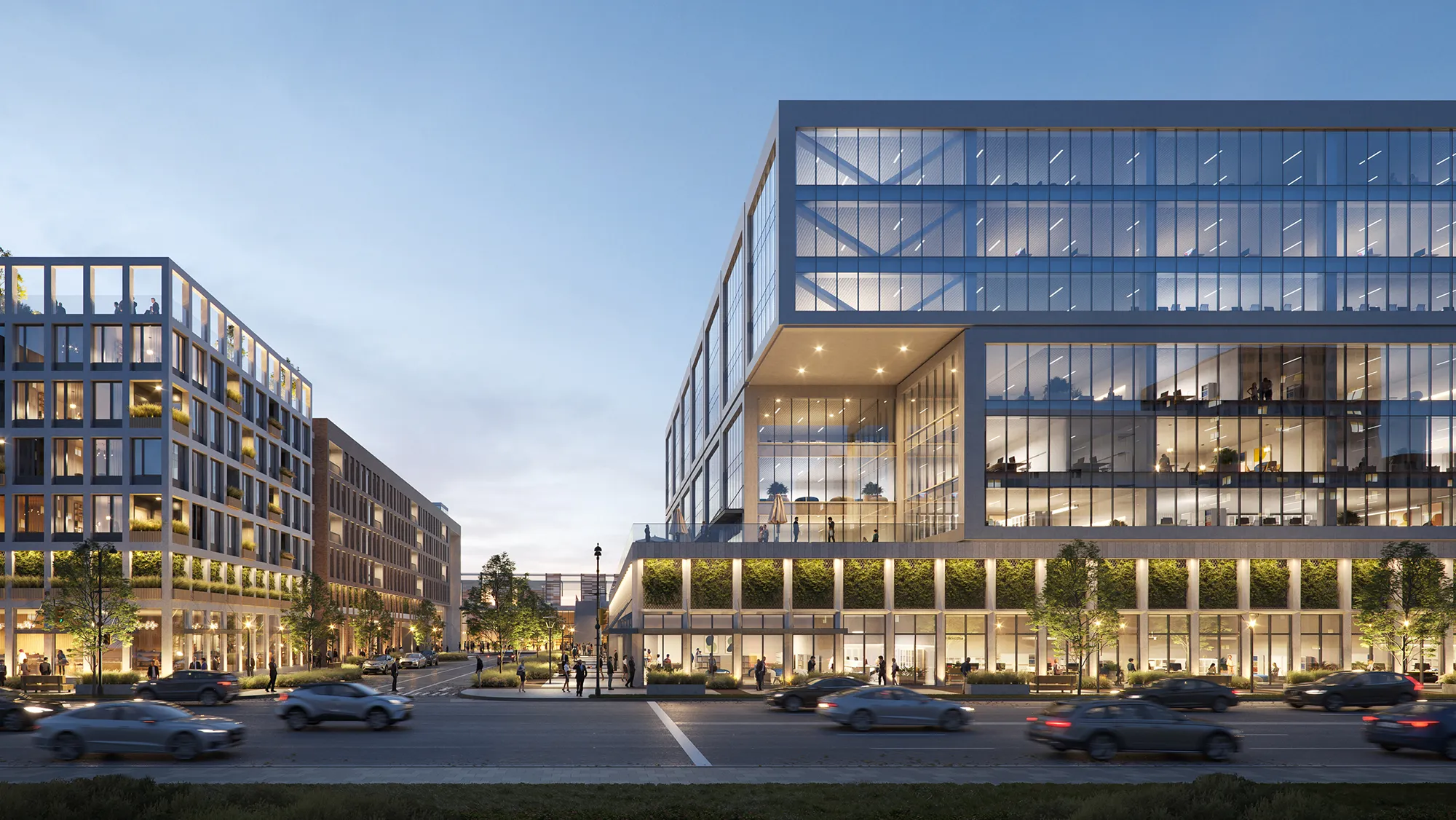
Commercial exterior renderings generally range from $2,000 to $5,000 per image. Depending on the project type, this may include hospitality-focused work such as Restaurant 3D Rendering Services, as well as more comprehensive 3D exterior rendering services for larger commercial and mixed-use developments. These projects typically involve larger sites, multiple stakeholders, and more structured review processes. At this scale, accurate massing, a well-developed urban context, and compliance-oriented presentation become essential, adding to both production time and overall complexity.
Interiors
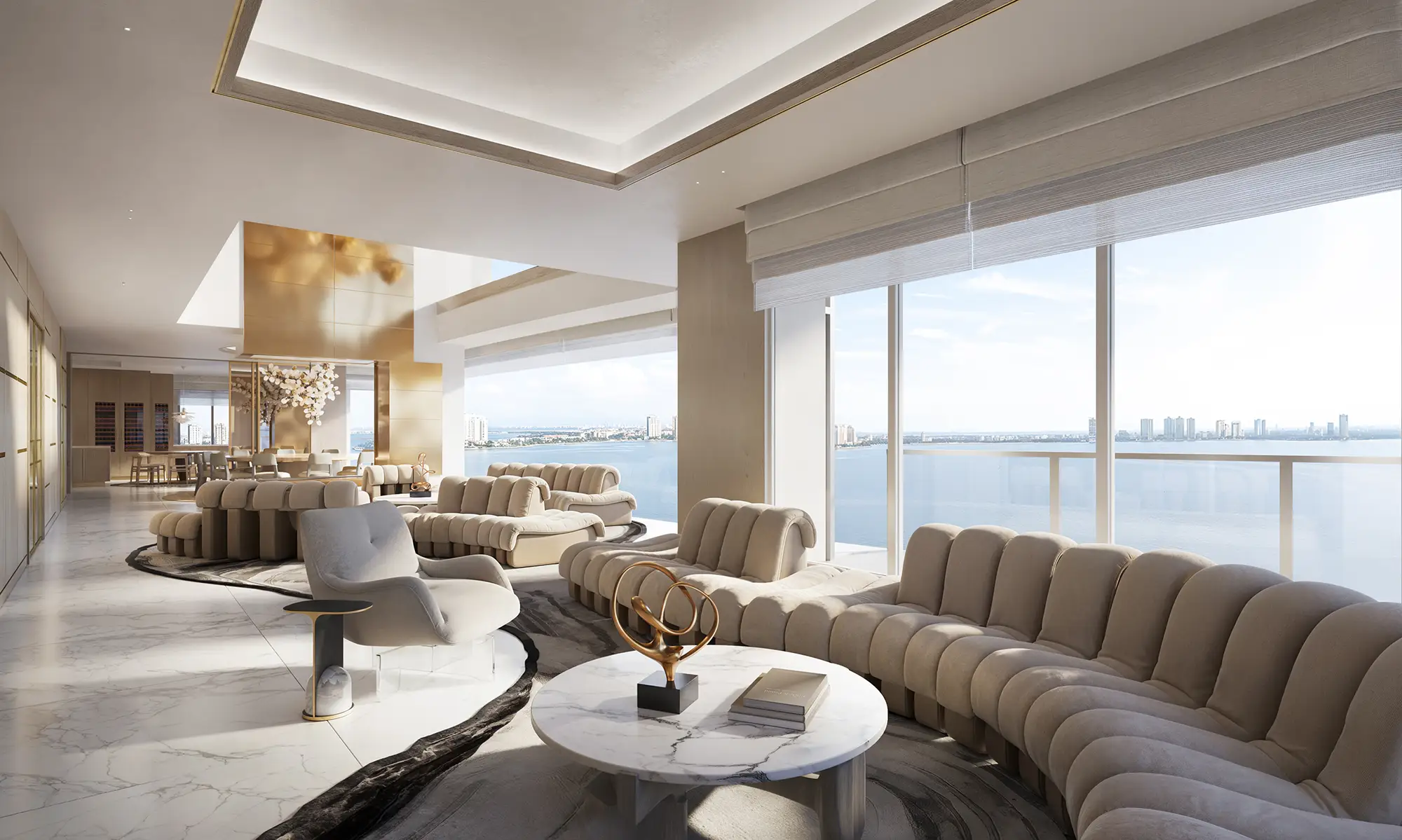
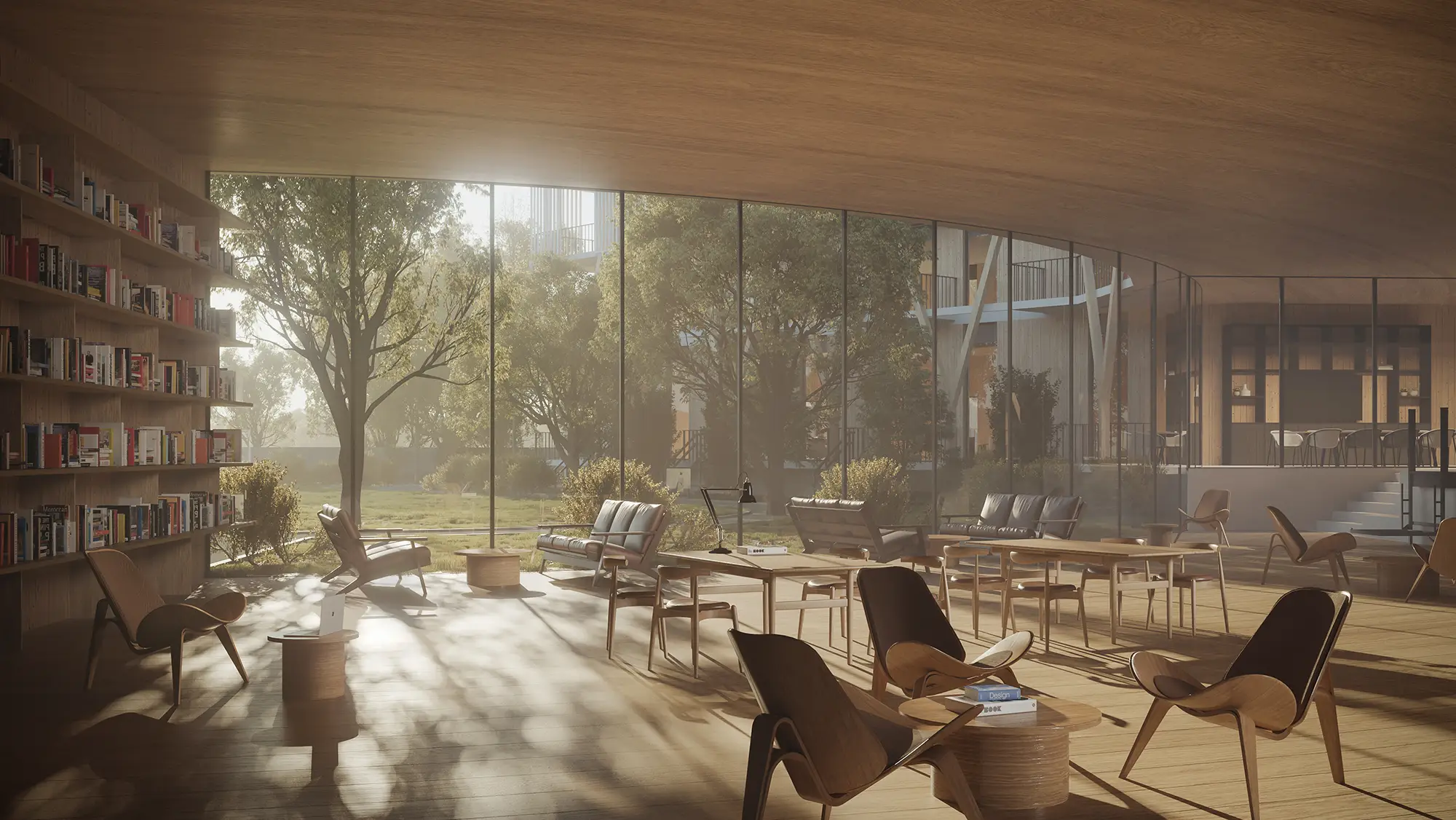
Interior renderings typically cost between $800 and $1,800 per image. Pricing is driven by material definition, lighting behavior, furniture accuracy, and the required level of detail. Custom furniture, high-end materials, and detailed texture samples increase modeling effort but are often necessary to preserve design intent, which is why these factors are carefully addressed within professional 3D interior rendering services.
Floor Plans
Rendered floor plans usually range from $600 to $1,200 per image. They are used for early communication and basic style planning, require less rendering time, and are often combined with still images.
Aerial Views
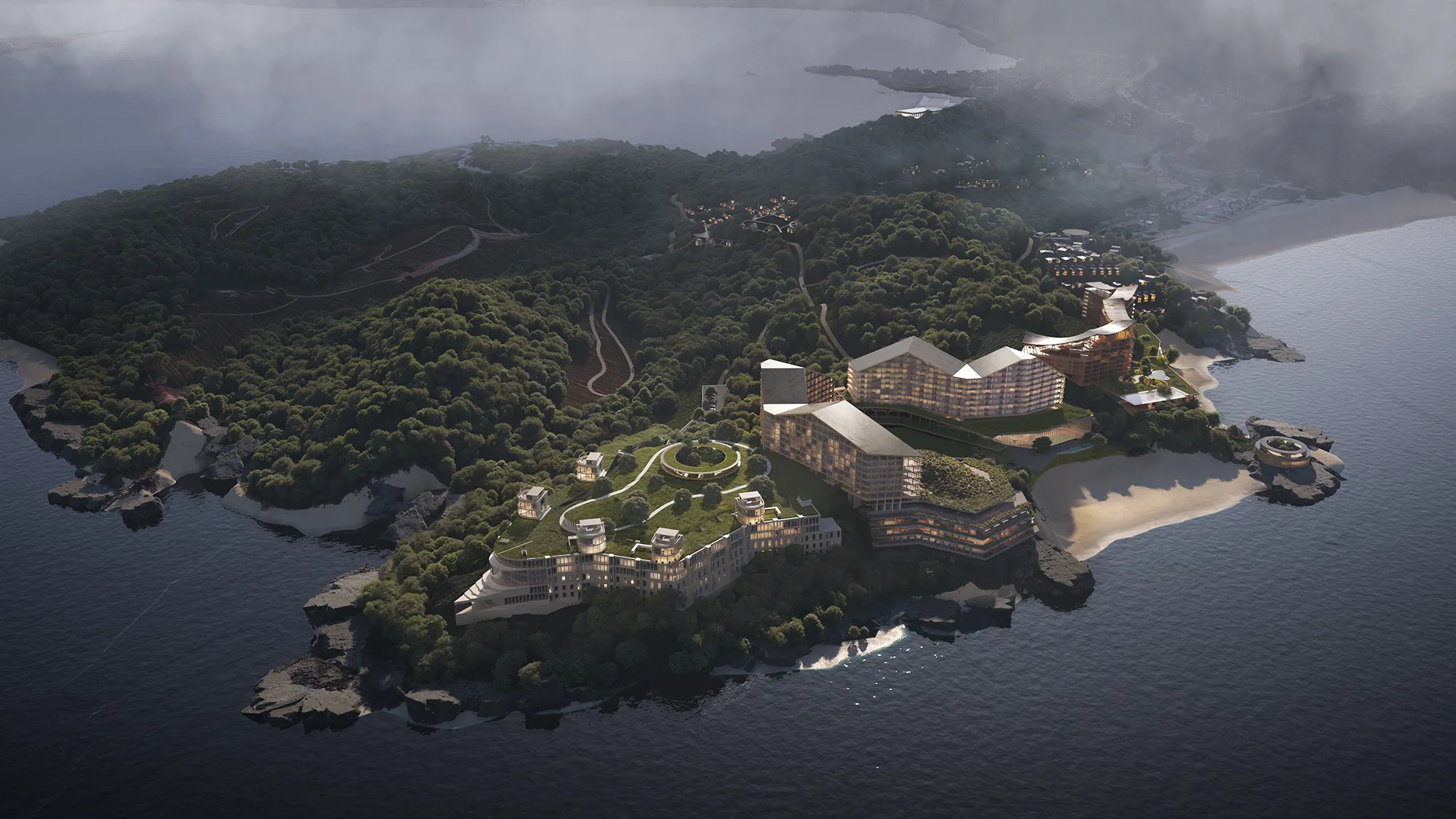
Aerial views typically cost between $1,500 and $4,000 per image. These visuals require extensive context modeling, complex scene setup, and higher output resolution. They are commonly used for masterplans, apartment building developments, and large residential projects.
3D Product Rendering Cost by Tier
3D product rendering costs vary depending on geometric complexity, surface detail, and the required level of realism.
Basic
$50–$150 per image. Used for early-stage concepts, internal reviews, or simple visuals with basic geometry, materials, and lighting.
Mid-Range
$150–$500 per image. Suitable for standard marketing needs, with balanced realism, controlled lighting, defined materials, and limited post-processing.
High-End
$500–$1,200+ per image. High-end renderings require advanced lighting setups, refined materials, precise reflections, and longer production time to achieve presentation-ready quality for marketing and investor use.
Premium / Complex Projects
$1,200–$3,000+ per image. Applied to highly complex products, intricate geometry, multiple views, custom materials, advanced art direction, and demanding timelines.
Animation and Virtual Reality Rendering Cost
Animation and virtual reality outputs are priced according to production scale, technical depth, and intended use. A 3D walkthrough animation is typically produced as a functional spatial presentation with controlled camera movement and a limited set of assets, and is commonly priced in the range of $3000–$5,000 per minute of finished animation at a professional studio level.
More advanced projects delivered through 3D architectural animation services involve fully developed environments, consistent lighting across sequences, refined motion design, and higher rendering requirements, resulting in average studio pricing of approximately $5,000–$10,000 per minute.
For externally facing, marketing-oriented visuals, a Real Estate 3D Animation Service is developed with a strong focus on realism, atmosphere, and narrative clarity. These projects require extended production pipelines and post-production workflows and are generally priced from $8,000–$15,000+ per minute, depending on complexity and presentation standards.
Virtual reality experiences represent the most technically demanding format, as they require real-time optimization, interactive elements, and performance stability across devices. In 2026, professional studio production of VR architectural experiences is typically priced from $15,000–$30,000+ per project, depending on scene scale, level of interactivity, and platform requirements.
Architectural Walkthroughs and Virtual Tours
Professional virtual tour production typically includes high-resolution panoramic images, interactive navigation between viewpoints, and optimized lighting and stitching to ensure a seamless experience for the viewer. The cost of such services varies with property size, number of panoramic scenes, technical complexity, and level of interactivity, and can range from a few hundred to several thousand dollars per project in professional practice.
Virtual Staging for Real Estate Presales
Virtual staging for real estate presales is commonly priced in the range of $1,200 - $1,800 per space, depending on the level of detail and styling required. It is a cost-effective alternative to physical staging and is widely used in real estate presale workflows to help buyers visualize space, layout, and potential use. Typical virtual staging costs make it an efficient solution for marketing properties quickly without the time and expense of traditional staging.
Still Images and Per Image Pricing for Most Projects
Still images remain the most common deliverable in architectural visualization. Many studios apply per image pricing, especially for small projects or when delivering one image. Larger projects often use a fixed price structure covering multiple images at the same level of detail, helping reduce the average cost per image and maintain budget control.
Key Factors Influencing 3D Rendering Cost
The cost of 3D rendering is determined by a combination of technical, creative, and organizational factors rather than a single fixed parameter. Project complexity, required level of detail, deadlines, and production workflow all influence how much time and resources are needed to complete a rendering. Understanding these factors helps architects and designers evaluate pricing more accurately, compare proposals from different studios, and make informed decisions about scope, quality, and budget from the outset.
Project Complexity and Scale for Complex Projects or Large Scale Projects
As projects grow in size, the volume of geometry, contextual elements, and coordination increases accordingly. Complex large scale project often require multiple modeling stages, alignment between different design inputs, and extended review cycles, all of which directly influence production effort and cost.
Quality & Realism in High Quality Rendering and Render Quality
Quality and realism play a central role in high-quality rendering, as the required level of fidelity directly affects production time and workflow. Achieving realistic results depends not only on professional proficiency with tools and software, but also on visual experience, artistic judgment, and a clear understanding of the environmental, architectural, and cultural context in which the project is located.
Factors such as climate, vegetation, lighting conditions, and architectural context vary significantly across regions, and these differences directly shape the visualization approach. For example, projects developed for top real estate developers in the Middle East often require precise handling of strong direct sunlight, limited shadow diffusion, restrained vegetation palettes, and architecture dominated by stone, concrete, and glass.
Beyond environmental factors, it is equally important to consider cultural and religious context. In markets such as Qatar, this approach extends beyond architecture and environment and is typical for 3D rendering services Qatar, where realism also depends on accurately representing people within the scene. This includes culturally appropriate clothing, silhouettes, and color choices, as well as an understanding of local customs and social norms.
By contrast, projects created for architectural visualization in Florida are shaped by coastal conditions, softer atmospheric light, lush vegetation, and casual dress codes, all of which influence the overall visual language and character of the scene.
Modeling Effort, Custom Modelling, and Creating Custom Objects
Projects that rely on bespoke architectural elements cannot be built from standard asset libraries. Custom modelling and the creation of custom objects demand additional precision and manual work, increasing overall production time.
Revisions, Significant Changes, and Additional Costs
While iterative feedback is part of the rendering process, structural or conceptual changes introduced late often require partial rework of models and lighting setups. This leads to additional costs and can impact agreed timelines.
Provider Experience, Professional Studios, and Rendering Company Choice
Studios with established workflows manage complexity more efficiently through the use of shared asset libraries, standardized material and lighting presets, and centralized scene management. Version control systems and structured file hierarchies reduce errors when working on multiple views or larger projects. Dedicated render farms and automated render queue tools allow teams to handle high workloads without disrupting schedules. A reliable rendering company also uses internal review checkpoints and calibrated pipelines to maintain visual consistency and minimize rework.
Turnaround Time, Tight Deadlines, and Project Deadlines
Compressed schedules limit production flexibility. Meeting tight deadlines may require parallel workflows or extended working hours, which can affect pricing.
Software, Tools, and Computational Resources
High-performance hardware and licensed professional software are essential for handling complex scenes and large datasets. These technical requirements are a fixed part of production cost in professional environments.
Output Resolution, Lighting Complexity, and Post Processing
Higher resolution outputs and sophisticated lighting setups place greater demands on both rendering time and system resources. Final image refinement during post processing further extends production effort.
Project Scope, Detail Level, and How Much Detail is Needed
Clear definition of scope and expected detail level at the outset helps prevent unnecessary iterations. Since not all renderings require the same degree of refinement, aligning expectations early is key to cost control.
Common Pricing Models and 3D Rendering Prices
3D rendering prices are usually defined by how a project is structured rather than by a single fixed rule. Different pricing models are used depending on how clearly the scope is defined, how stable the design is, and how much flexibility is needed during production.
Hourly Rate and Average Hourly Rate
Hourly pricing is typically used when a project is still evolving or when small adjustments are needed. This model works well for minor design refinements, updating materials, adjusting lighting, or creating an additional camera angle for an existing project. It is also suitable when the scope cannot be fully defined upfront and tasks arise gradually during the rendering process. The average hourly rate varies across developed countries, and this approach remains effective as long as the scope of changes is clear and time is tracked transparently.
Per Image or Cost per Image/Second
Per image pricing is common for still images, especially when the number of views is known in advance. It makes pricing easier to understand, as each image is evaluated on its own complexity. For animation, pricing per second reflects the amount of work involved in camera movement, lighting changes, and rendering time. This model is most effective when deliverables are clearly defined from the start.
Fixed Price, Project-Based, or Package Offers with Volume Discounts
Fixed price or project-based pricing works best when a project requires multiple visualization formats or a set of coordinated views. This approach is often used when a project includes several camera angles, different types of visuals such as interiors, exteriors, or aerials, or a combination of still images and other formats. When the scope is defined upfront, a package structure allows all views to be developed consistently within one workflow. Volume discounts are typically applied in these cases, reducing the cost per image and making this option efficient for projects that require comprehensive visual coverage rather than a single standalone render.
Pricing Structure: How Prices Vary Depending on Project Type
Pricing is structured around how the visualization will be used. A quick concept image, a 3d product rendering for marketing, and a visualization prepared for investor review or regulatory approval place very different demands on accuracy, coordination, and level of control. Project scale, number of views, and required consistency across images all influence how pricing is calculated. As a result, prices vary depending on whether the visuals support early design exploration or serve as final presentation material.
Competitive Pricing in Developed Countries vs. Cost Effective Options
Lower-cost options can reduce initial expenses, especially for simple or short-term needs. However, competitive pricing from professional studios in developed countries usually reflects stable workflows, reliable communication, and predictable delivery. In practice, this often leads to fewer revisions, clearer coordination, and less risk of delays, which can outweigh the apparent savings of lower upfront rates over the course of a project.
Price of Rendering for Architectural Projects: Breakdown by Type
The cost of architectural rendering depends largely on the type of project and how the visuals will be used.
Residential vs. Commercial Projects and Prices Differ
Residential projects are usually more straightforward. They involve fewer decision-makers, simpler approval processes, and a smaller number of views. Commercial projects, on the other hand, often require coordination with multiple teams, compliance checks, and consistent visuals across many images. This additional coordination and review effort is reflected in pricing.
High End Renderings for Investor Presentations or Regulatory Approval
When visuals are prepared for investor presentations or regulatory approval, a single image is rarely sufficient. These projects often require multiple formats, additional camera angles, and variations showing the project at different times of day. Day and dusk views, alternative perspectives, or a mix of exterior and interior visuals are commonly needed to fully communicate scale, context, and spatial logic. High end renderings in this context demand higher accuracy, consistent quality across all views, and careful coordination, which increases production effort, rendering time, and overall cost.
Average Price Ranges for Rendered Image or Final Image
There is no single average price that applies to every project. The cost of a rendered image or final image depends on how complex the scene is, how much more detail the project requires, and whether the visual is intended for internal review or external presentation. A simple study image and a marketing visual may look similar at first glance, but differ significantly in production effort and level of detail.
Influence Cost with Mood Boards, Reference Images, and Texture Samples
Clear input reduces time spent on interpretation. Mood boards, reference images, and texture samples help align expectations early and minimize revisions. When visual direction is defined upfront, studios can work more efficiently and provide a more accurate quote.
Main Factors for Small Projects vs. Larger Projects
Small projects benefit from simpler setups and faster turnaround. Larger projects, while more complex, often become more efficient as assets are reused across multiple views. Shared environments, repeated elements, and consistent styling help balance cost across a larger set of images.
How to Save Money on Rendering Cost Without Compromising Quality
Reducing rendering cost does not mean lowering visual quality. In most cases, savings come from better preparation, clearer communication, and smarter project structuring. When expectations are aligned early and production is planned realistically, it becomes easier to control budget without sacrificing accuracy or consistency.
Plan Ahead to Reduce Costs and Avoid Hidden Costs
Early planning allows key decisions to be made before production starts. When camera angles, level of detail, and required formats are defined upfront, the risk of late revisions and hidden costs is significantly reduced. Changes introduced after rendering has begun usually require rework, which increases both time and cost.
Provide Project Details Upfront for Accurate Quote
Clear project details are essential for reliable pricing. Drawings, models, reference images, and material information help studios understand the scope from the start. When inputs are complete, it is easier to produce an accurate quote and maintain a predictable final cost throughout the project.
Batch Multiple Images or Work Efficiently for Lower Cost
When a project requires several views, batching images at the same level of detail is more efficient than producing them individually. Shared environments, lighting setups, and materials reduce repetition and lower the cost per image, especially for larger projects.
Choose the Same Level of Architectural Style and Basic Style Planning
Mixing different visual styles within one project often increases production effort. Keeping the same architectural style, lighting approach, and overall visual language allows teams to work faster and maintain consistency, improving efficiency without reducing quality.
Opt for Instant Estimate Tools or Budget Confidently
Instant estimate tools help set realistic expectations early. While they do not replace a detailed quote, they provide a useful baseline for budgeting and scope alignment, allowing teams to plan confidently before committing to full production.
Why Choose CYLIND for Your Architectural Visualization Services?
CYLIND provides architectural visualization services with structured workflows, predictable pricing models, and direct communication. Our team consists of architects and skilled artists experienced in architectural projects of varying scale and complexity. Each rendering project is managed to ensure accuracy, consistency, and adherence to deadlines.
All images © CYLIND
